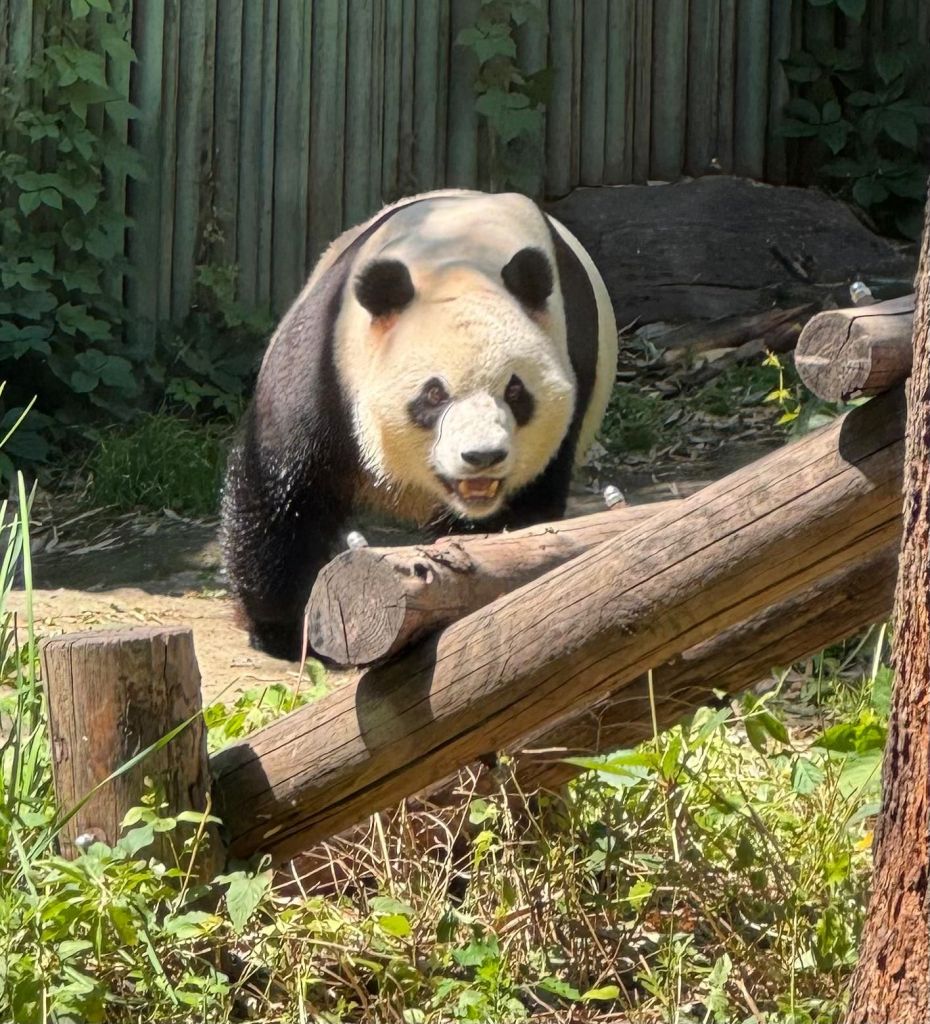
The giant panda is also known as the panda bear or simply panda, but often “giant panda” is used to distinguish it from the red panda. They range from 100 to 115 kg and are typically 1.2 to 1.9 m long.
The giant panda is exclusively found in six mountainous regions in a few provinces of China at elevations of up to 3,000 m. They eat predominantly bamboo, fruit and veges. Though mostly starch, bamboo shoots are 32% protein and work well within their herbivore diet. To meet their physical needs, giant pandas often need to eat for 14 hours a day.
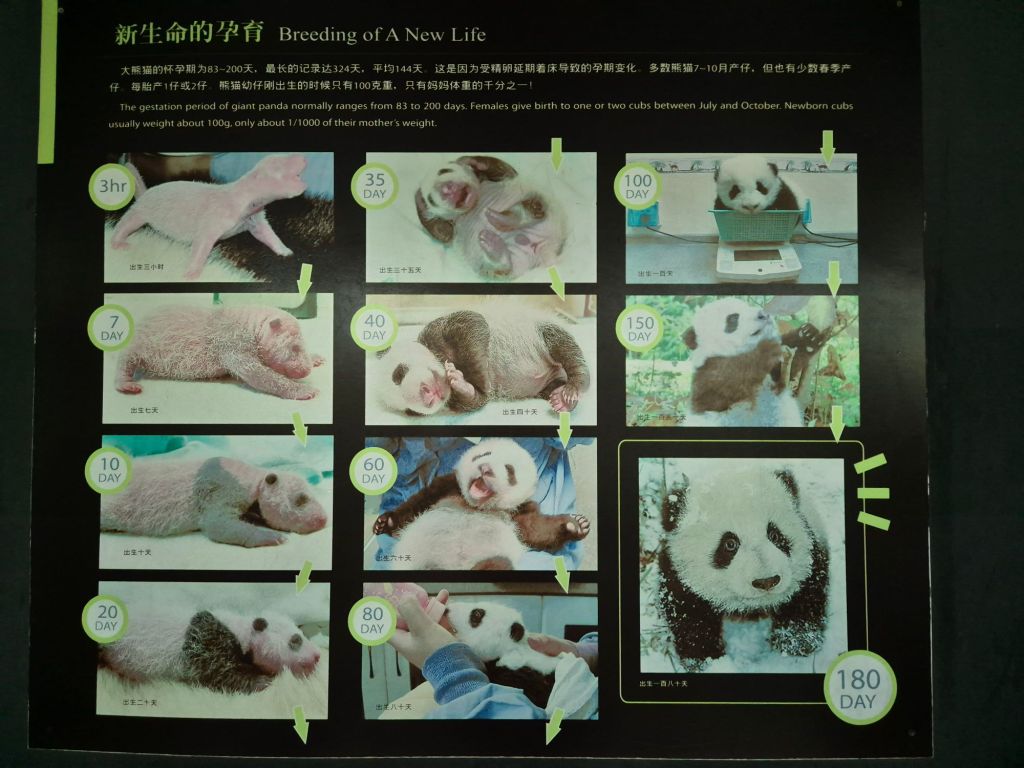
They are solitary animals, only gathering in times of mating. Mama pandas are pregnant for 83-200 days (what wild variation!) and raise their cubs for 18-24 months. The oldest known giant panda lived for 38 years.
Sadly, many giant panda have been driven out of their homelands, mostly due to farming, development and deforestation, and their numbers have been under threat. Approximately 1,800 giant pandas live in their native habitat, while another 600 pandas live in zoos and breeding centres around the world. Happily, they were upgraded from endangered to vulnerable species in 2016 after years of conservation efforts. So, hopefully, we’re heading in the right direction.
To see giant pandas in Beijing, you have to visit the Beijing Zoo. Not being a fan of zoos and worried about how poor some reviews of the zoo overall were, I had mixed feelings about this visit.

Overall, I think the pandas are well taken care of here, but I think zoos can always do better. Not having much time, we just visited the pandas and then left, so I’m not sure what the rest of the zoo was like.
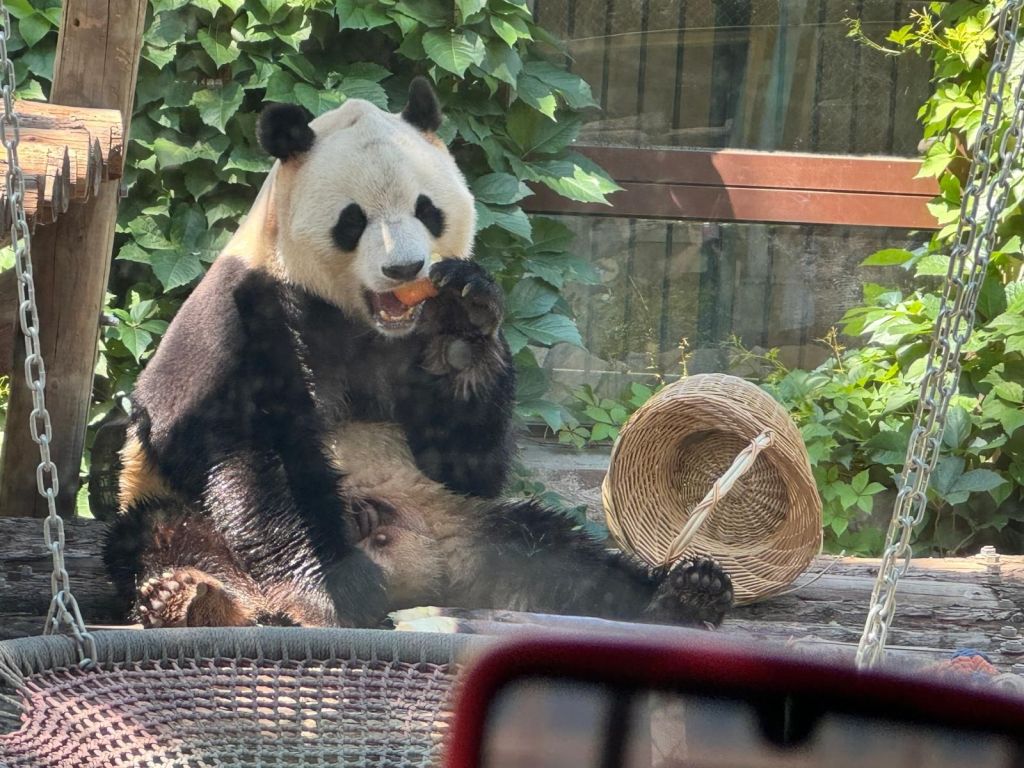
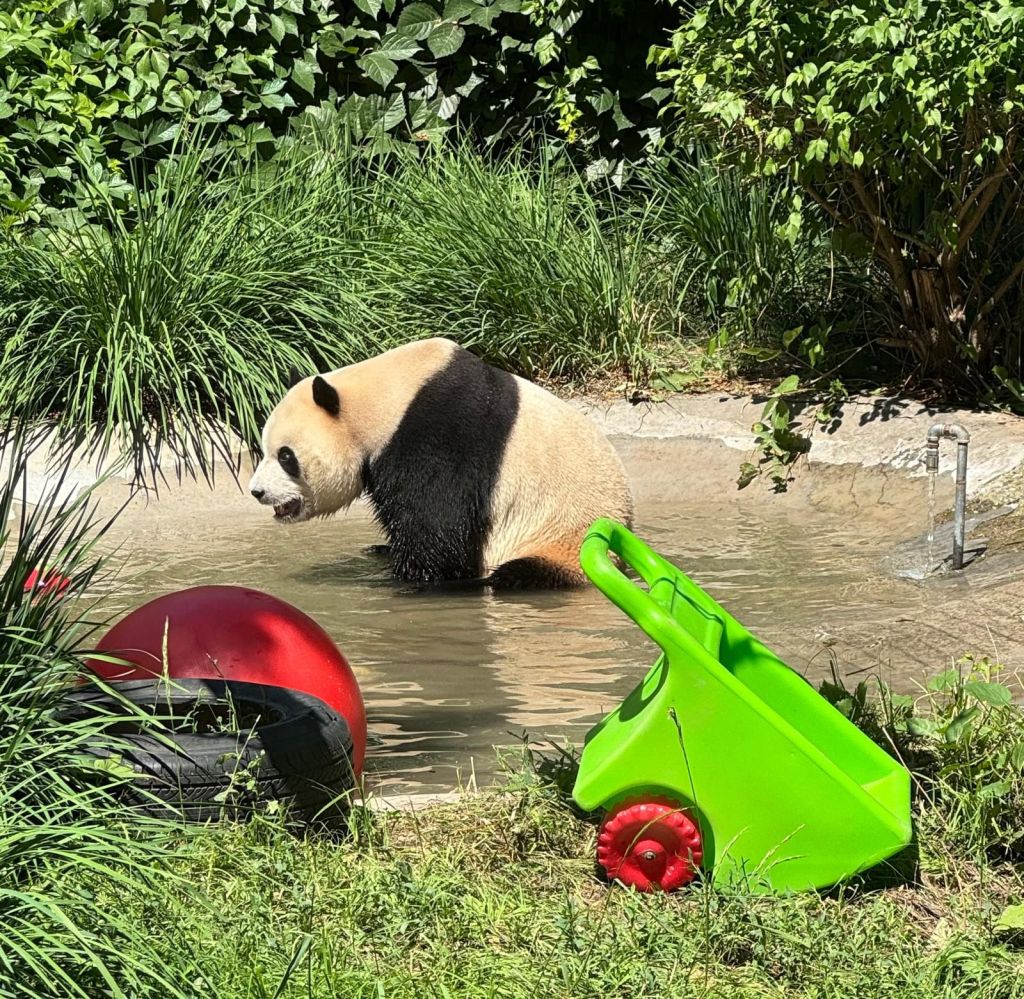

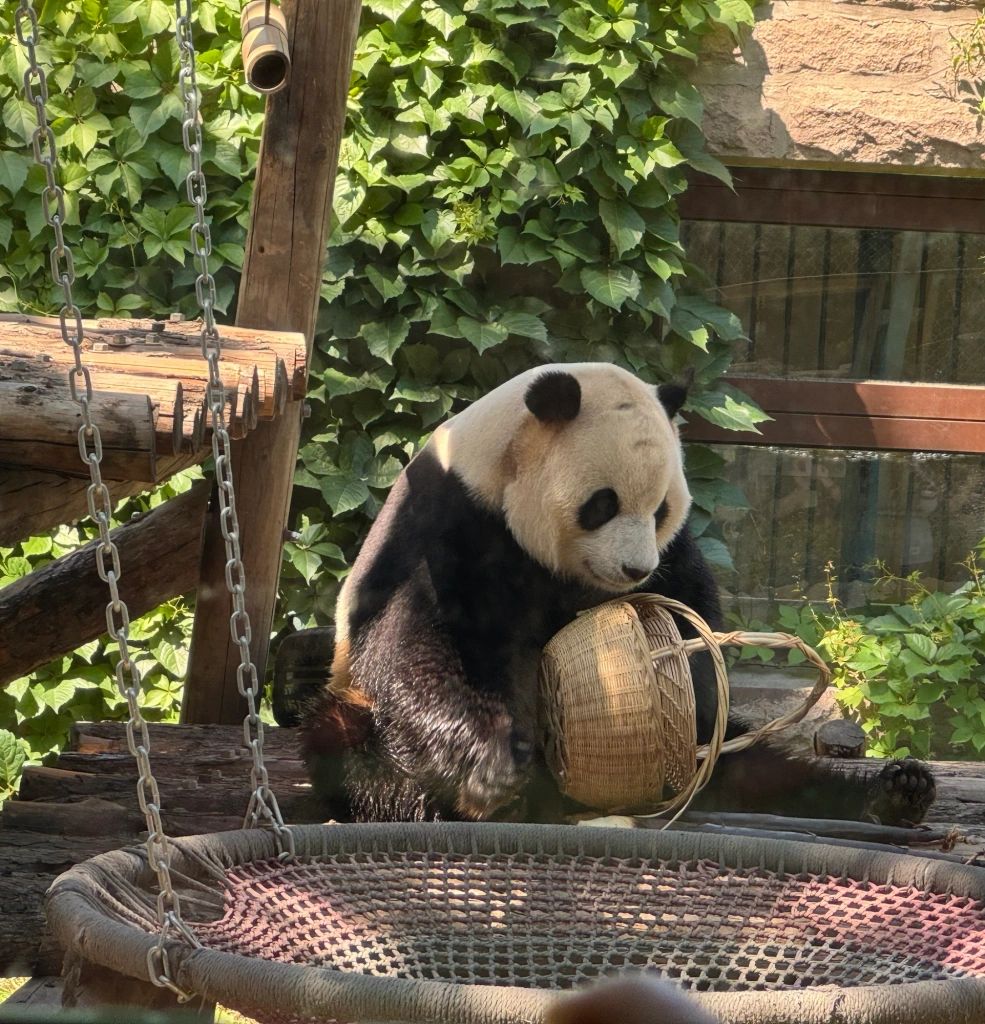
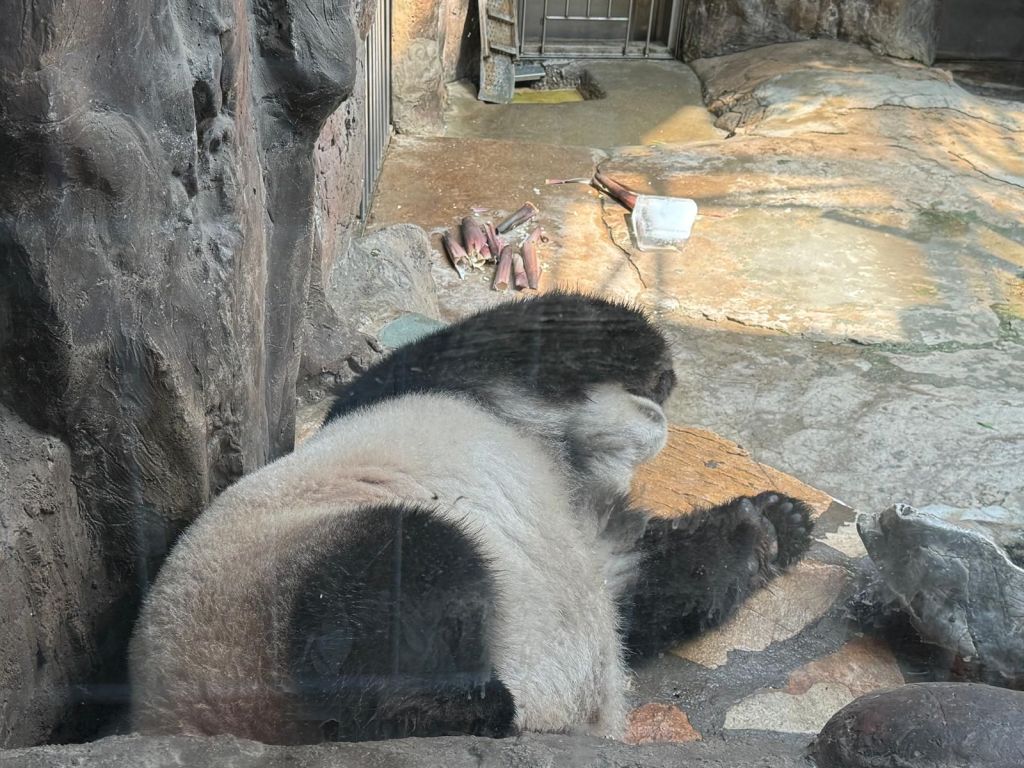


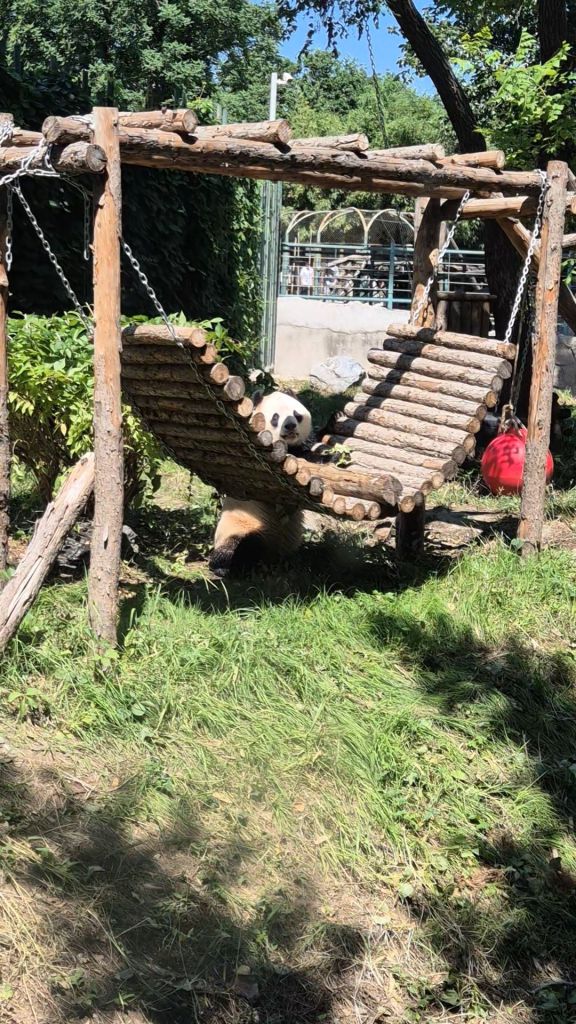
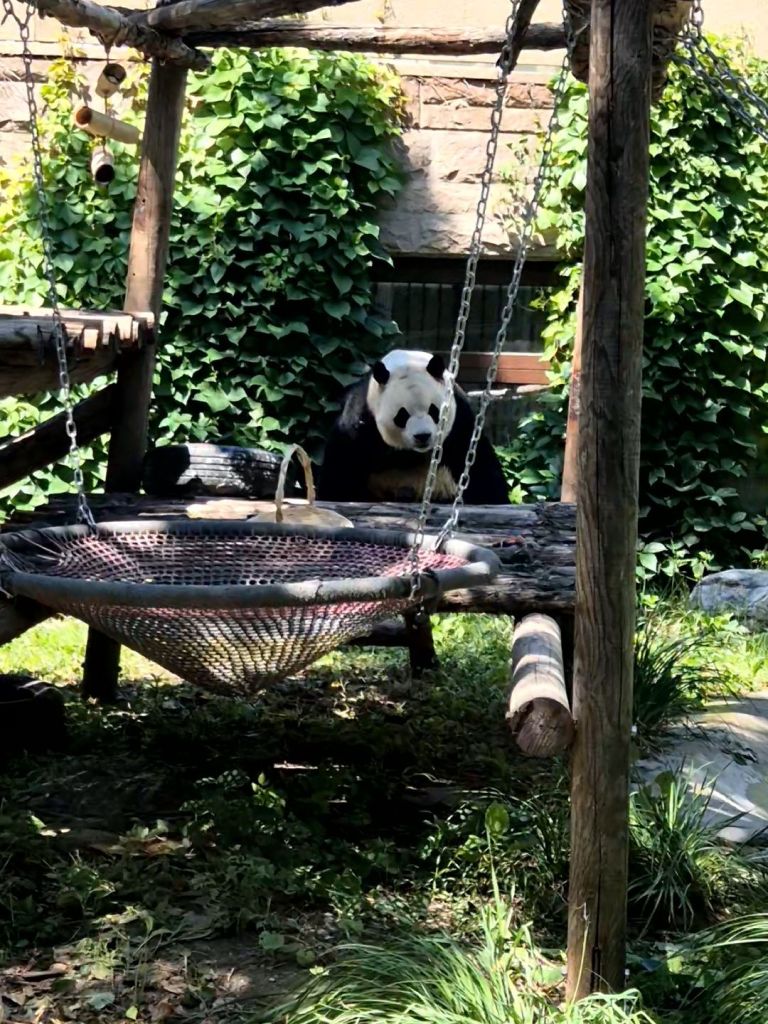
I hope they are happy and healthy pandas.
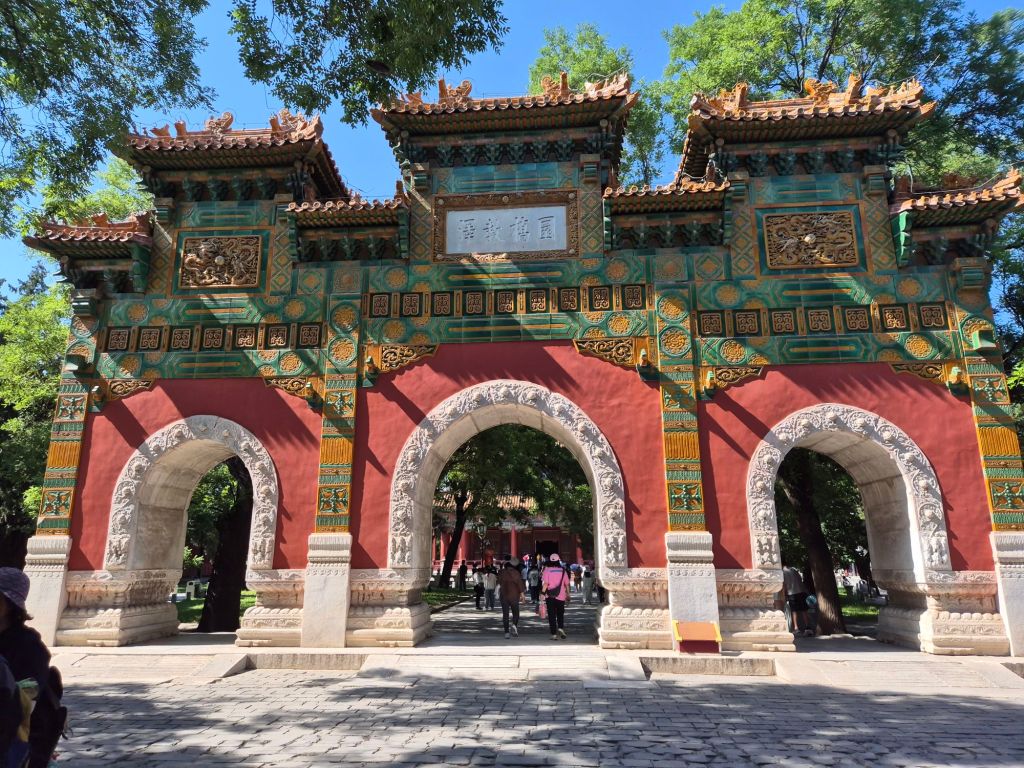
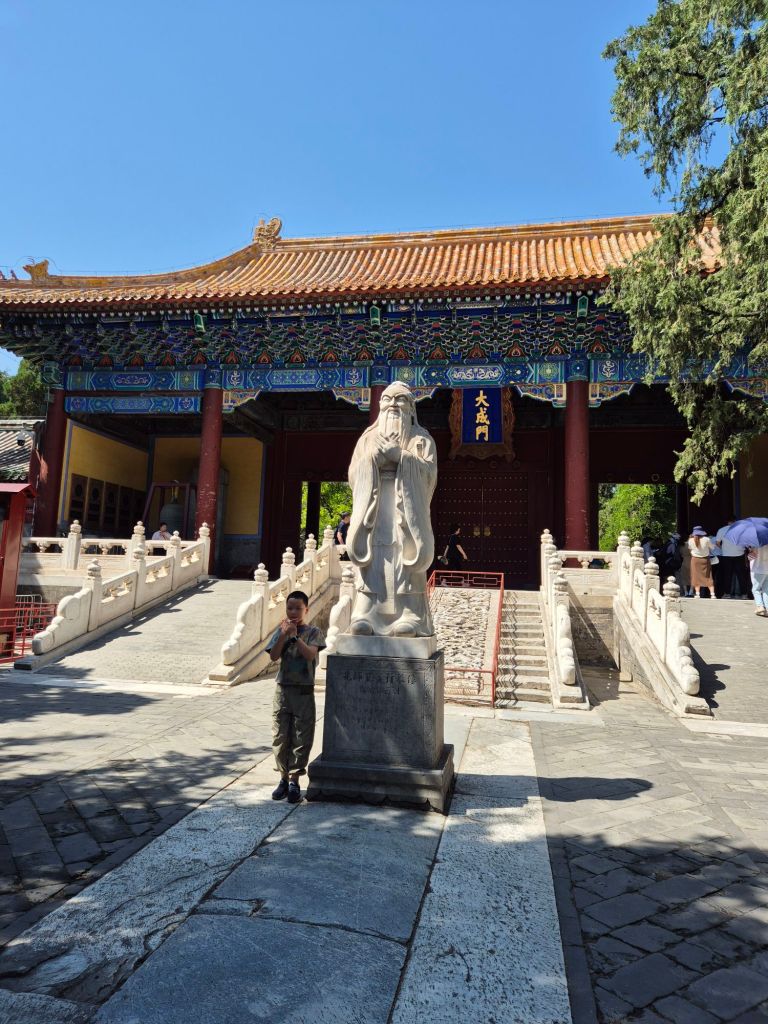
Today we also visited the Beijing Temple of Confuscious. Built in 1302, the temple is a place where people paid homage to Confucius throughout the Yuan, Ming and Qing dynasties.
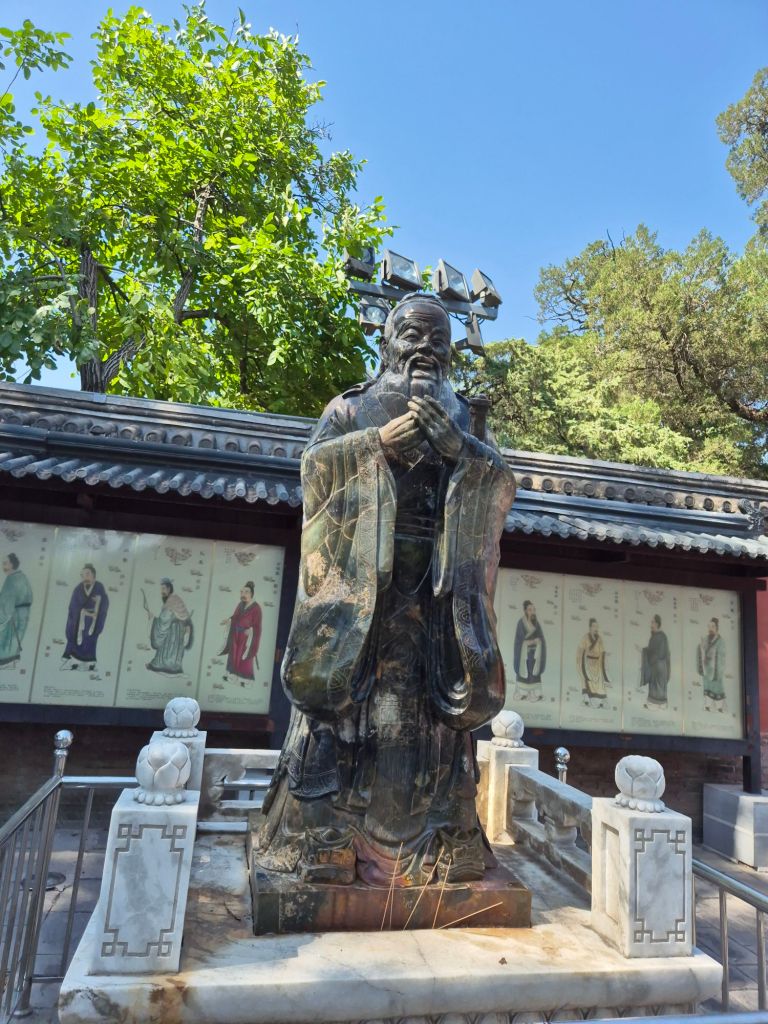
Confucious was a Chinese philosopher c500BCE. His teachings focused on inner virtue, morality, and respect for the community and its values. The golden rule of Confucianism is “do not do unto others what you would not want others to do unto you.”
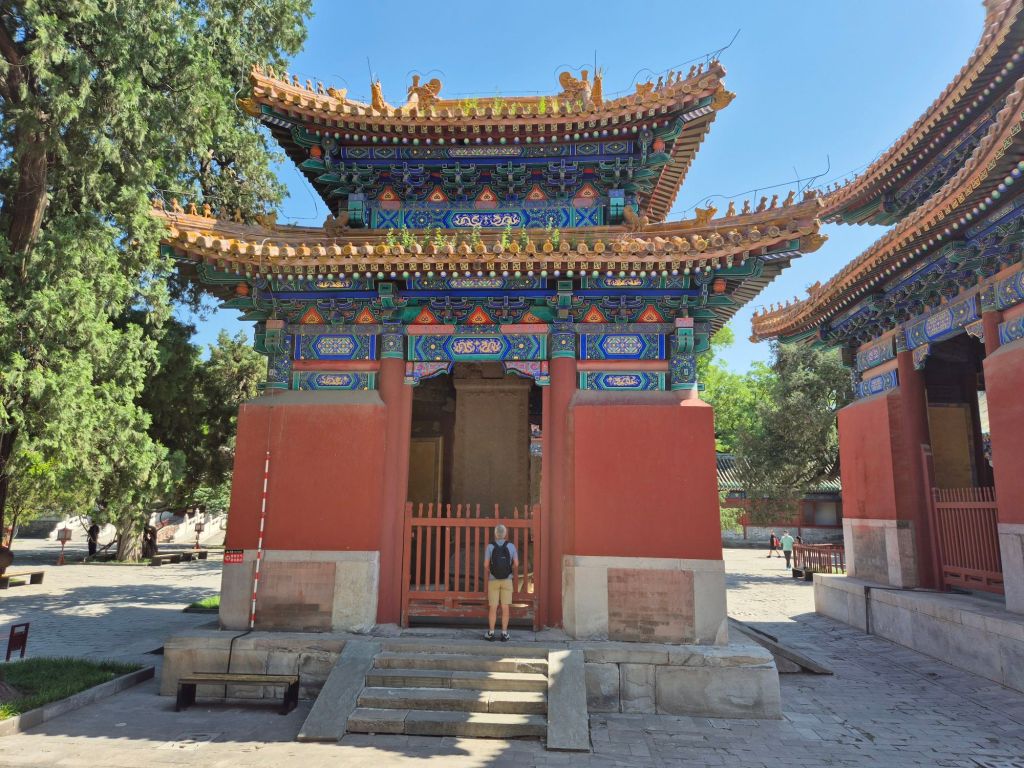
Inside the grounds and buildings are many important stone tablets recording the names of more than 51,000 jinshis (advanced scholars) as well as historical information about ancient China.I found this Temple really interesting, it had English descriptions at all the displays including many stories and teachings from that time.


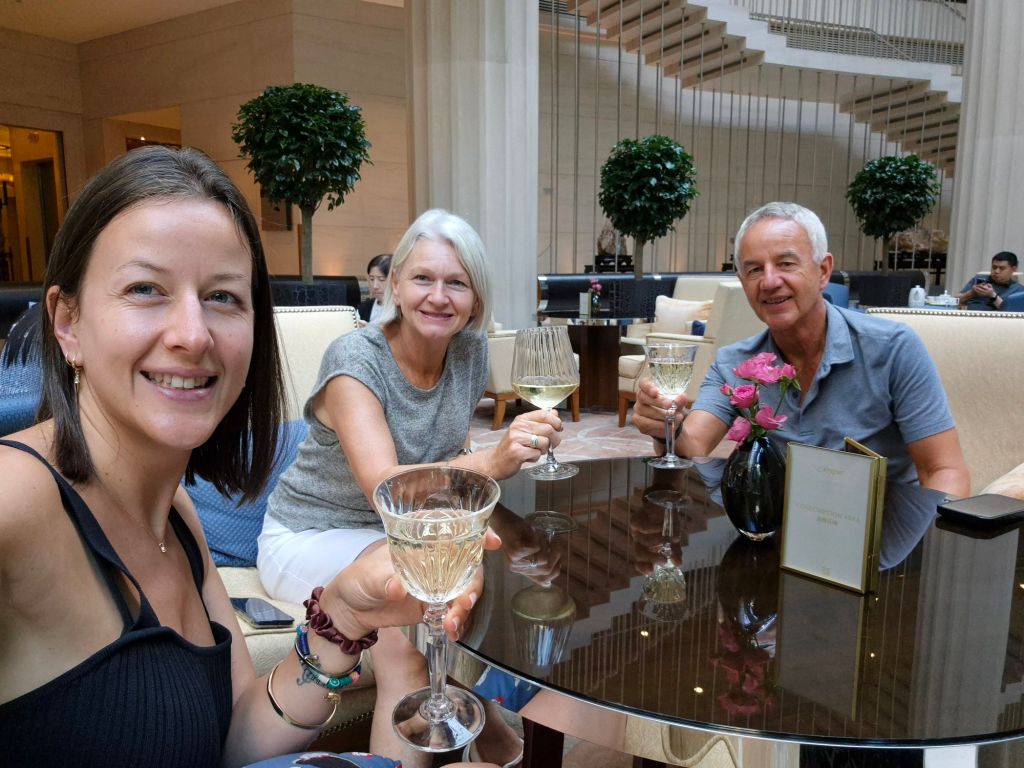
Our time in Beijing has just about come to an end, but there is always time for more bubbles, to reflect on our week here and enjoy a little more time together.

 A Small Adventure