Beijing has been an interesting place to visit, and there have been many cultural and historical lessons. The major highlight was walking along the Great Wall. Plus, eating all the food, my new fave Chinese dish is beef in spicy broth. Delish!
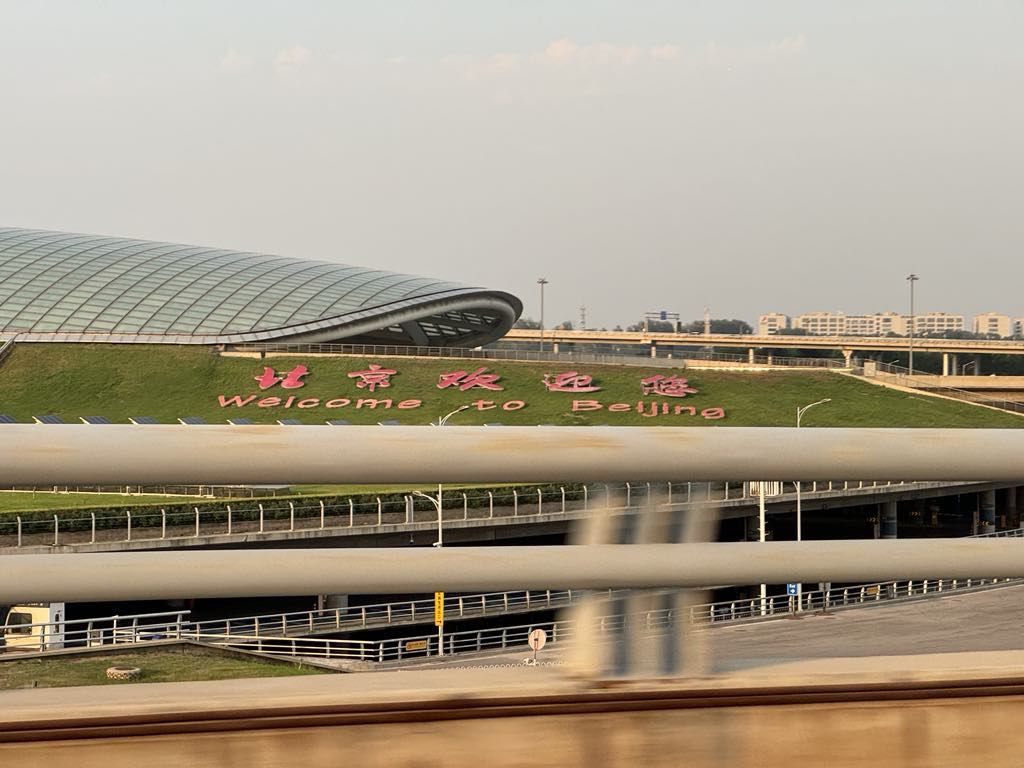
Beijing airport
We’ve been lucky with the weather and also the lack of smog during our visit. We learnt that smog has been improving since the factories were moved outside the city, and restrictions on car usage/ownership were introduced to try to clean the air prior to the 2008 Beijing Olympics.
Beautiful clear days
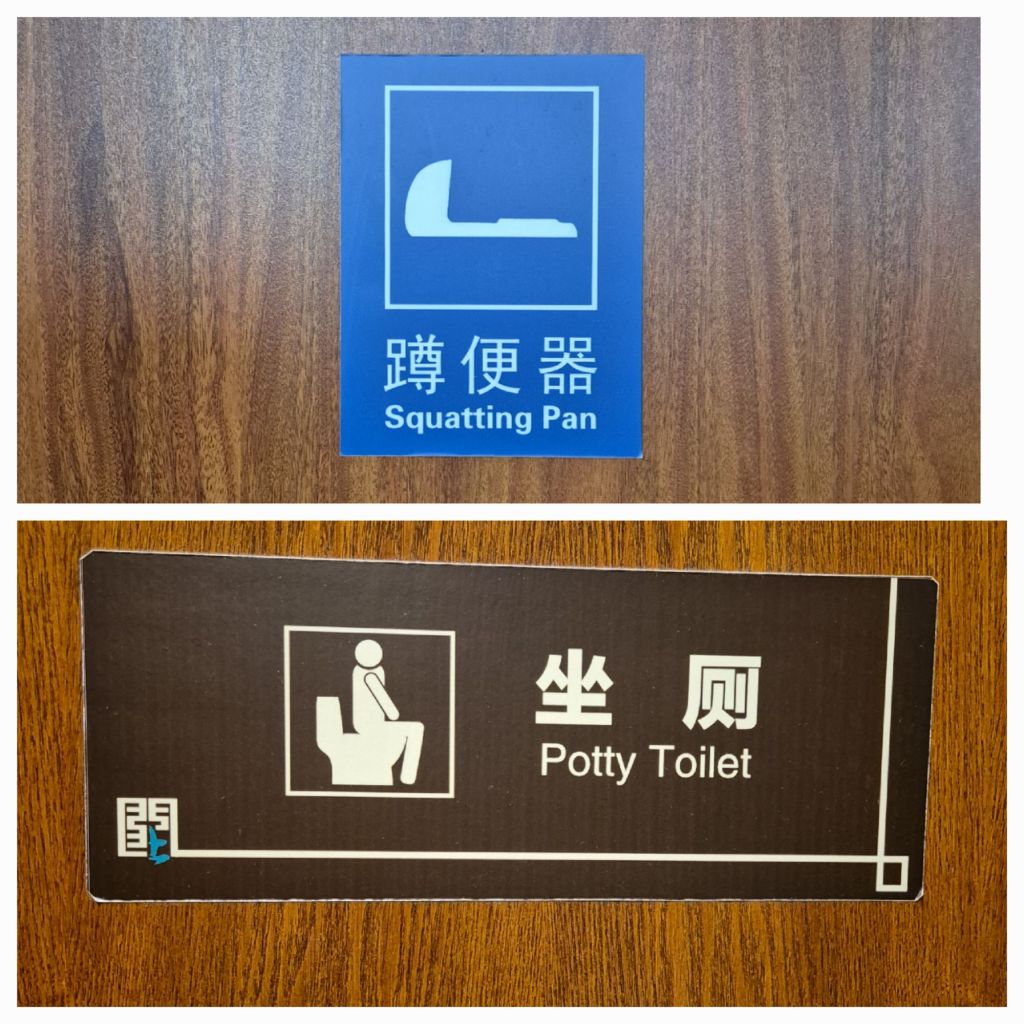
It has been fascinating to learn more about the Chinese culture, their many beliefs and superstitions, their tea ceremonies, and other historical traditions. Won’t miss their crazy driving though. I’m also not going to miss all the smokers or whether I can flush paper down the toilet. On that note, I’m really looking forward to normal toilets, I will never take a nice public toilet for granted again.
I never thought I’d say this, but I’m looking forward to the gym! Other than a few ambitious attempts to run in week one and two, there has been very little exercise and I’m feeling it. I will miss the weather! The sunshine, as usual, has done wonders for my health and happiness.
Most of all I’ll miss my family and I really hope I don’t have to wait another 5 years until we’re all together!
Time to settle back in to Auckland life and find some warmer clothes!
Home to my little Kala Bear, who seems quite happy to see me.
The giant panda is also known as the panda bear or simply panda, but often “giant panda” is used to distinguish it from the red panda. They range from 100 to 115 kg and are typically 1.2 to 1.9 m long.
The giant panda is exclusively found in six mountainous regions in a few provinces of China at elevations of up to 3,000 m. They eat predominantly bamboo, fruit and veges. Though mostly starch, bamboo shoots are 32% protein and work well within their herbivore diet. To meet their physical needs, giant pandas often need to eat for 14 hours a day.
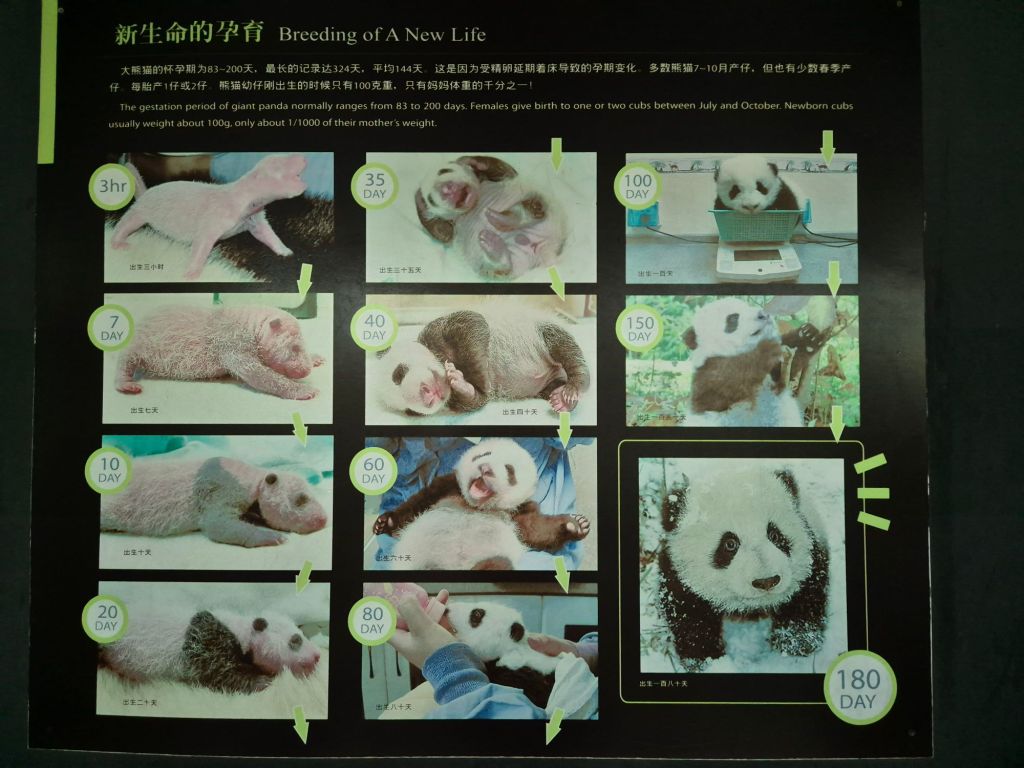
They are solitary animals, only gathering in times of mating. Mama pandas are pregnant for 83-200 days (what wild variation!) and raise their cubs for 18-24 months. The oldest known giant panda lived for 38 years.
Sadly, many giant panda have been driven out of their homelands, mostly due to farming, development and deforestation, and their numbers have been under threat. Approximately 1,800 giant pandas live in their native habitat, while another 600 pandas live in zoos and breeding centres around the world. Happily, they were upgraded from endangered to vulnerable species in 2016 after years of conservation efforts. So, hopefully, we’re heading in the right direction.
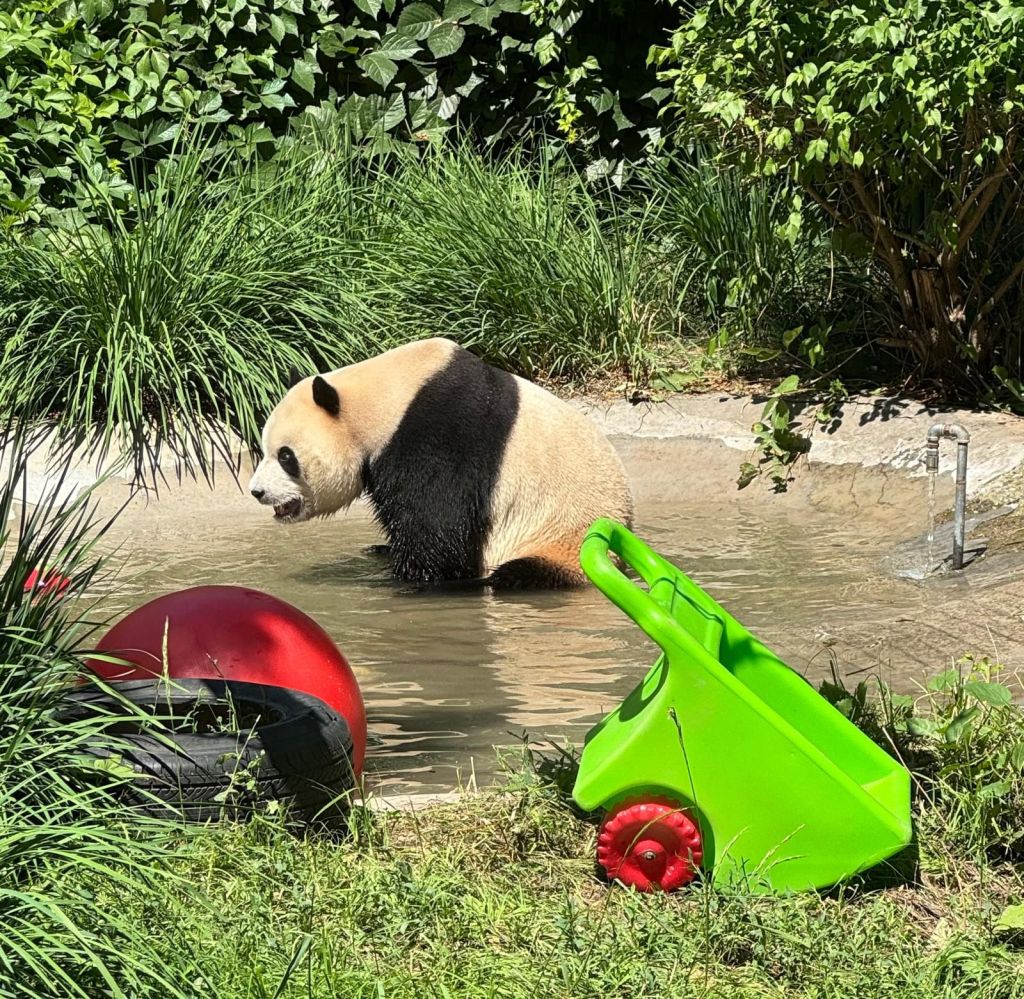
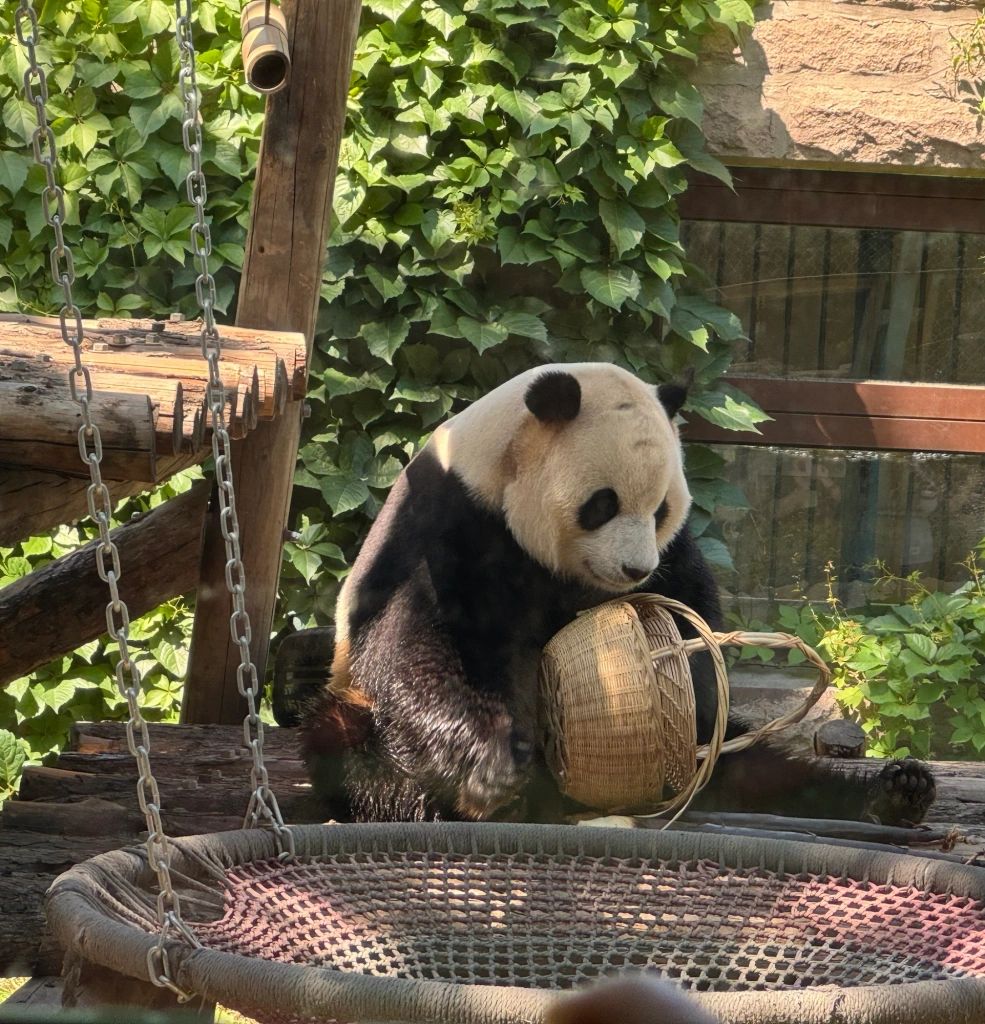
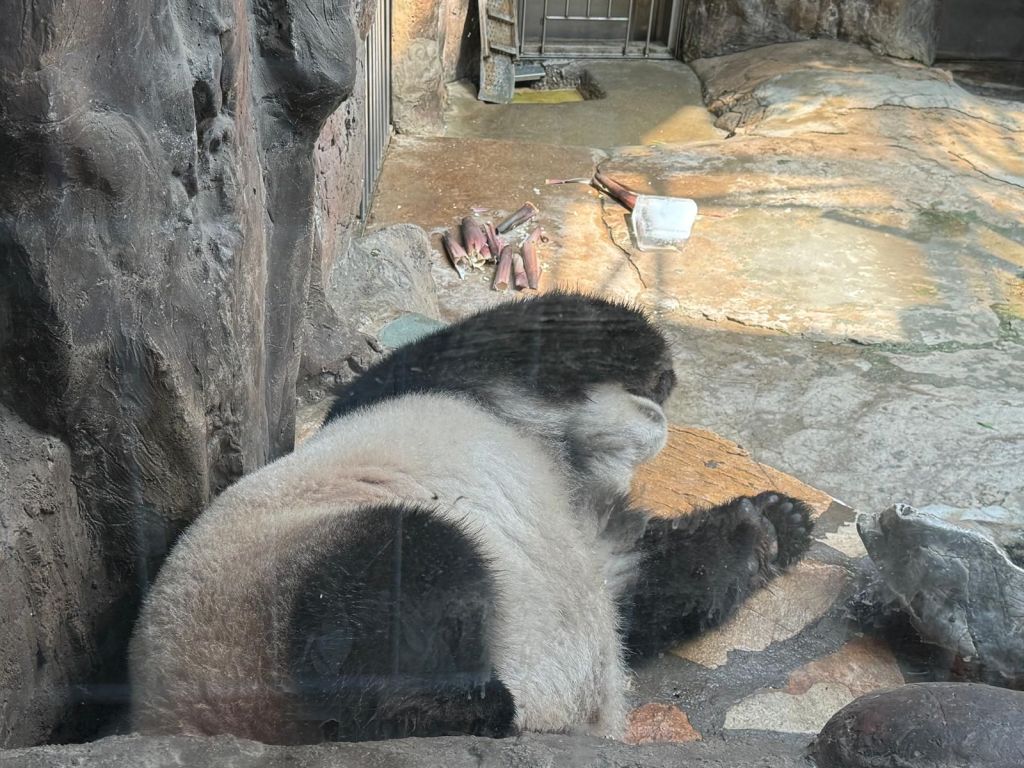
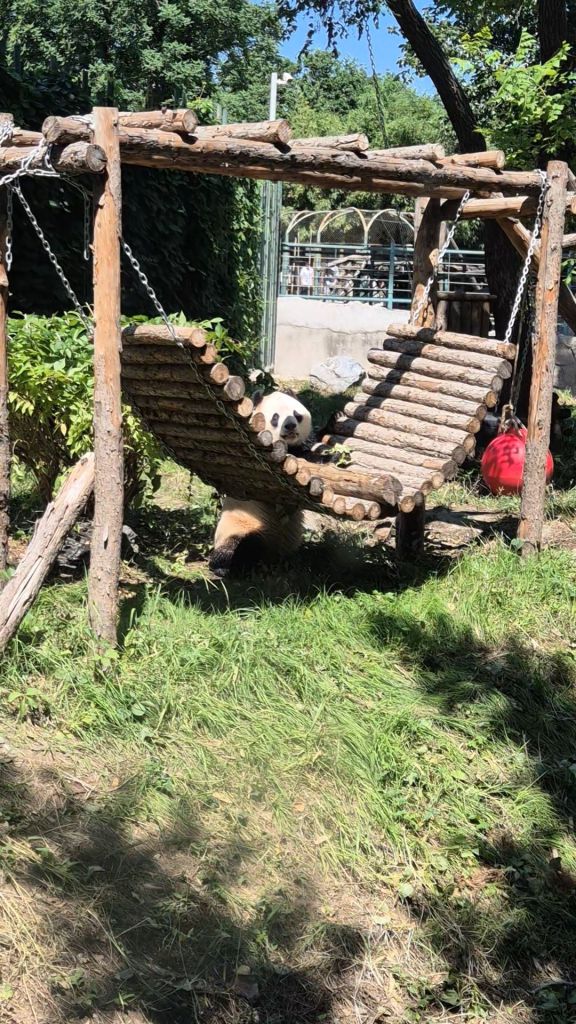
To see giant pandas in Beijing, you have to visit the Beijing Zoo. Not being a fan of zoos and worried about how poor some reviews of the zoo overall were, I had mixed feelings about this visit.
Overall, I think the pandas are well taken care of here, but I think zoos can always do better. Not having much time, we just visited the pandas and then left, so I’m not sure what the rest of the zoo was like.
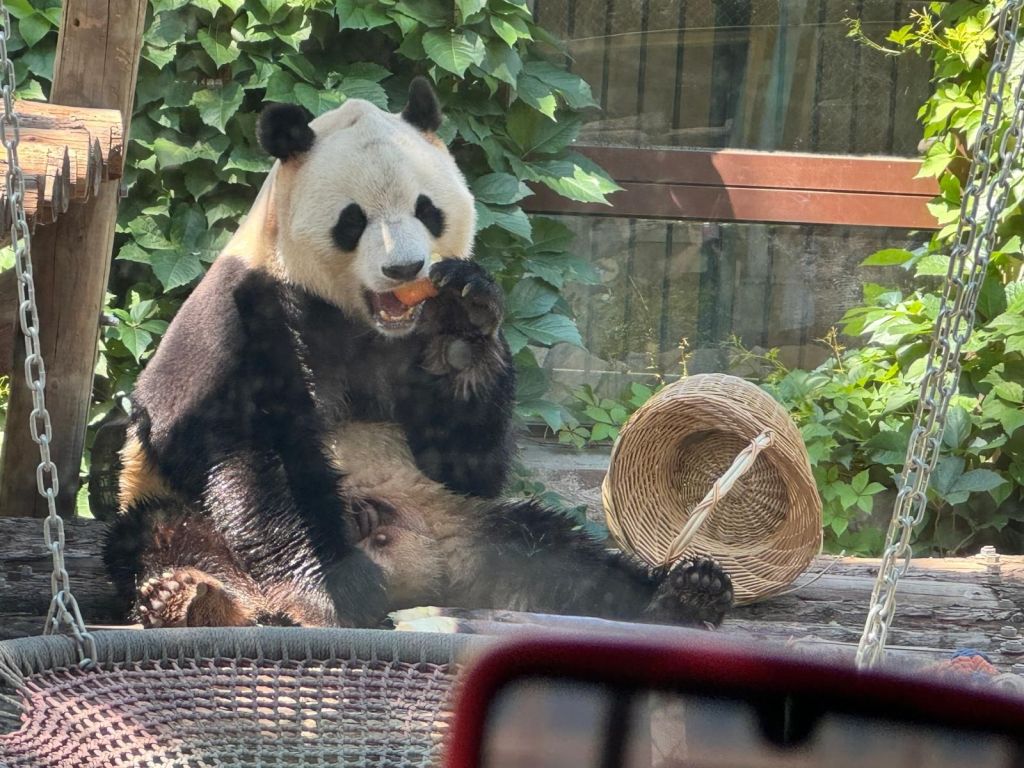
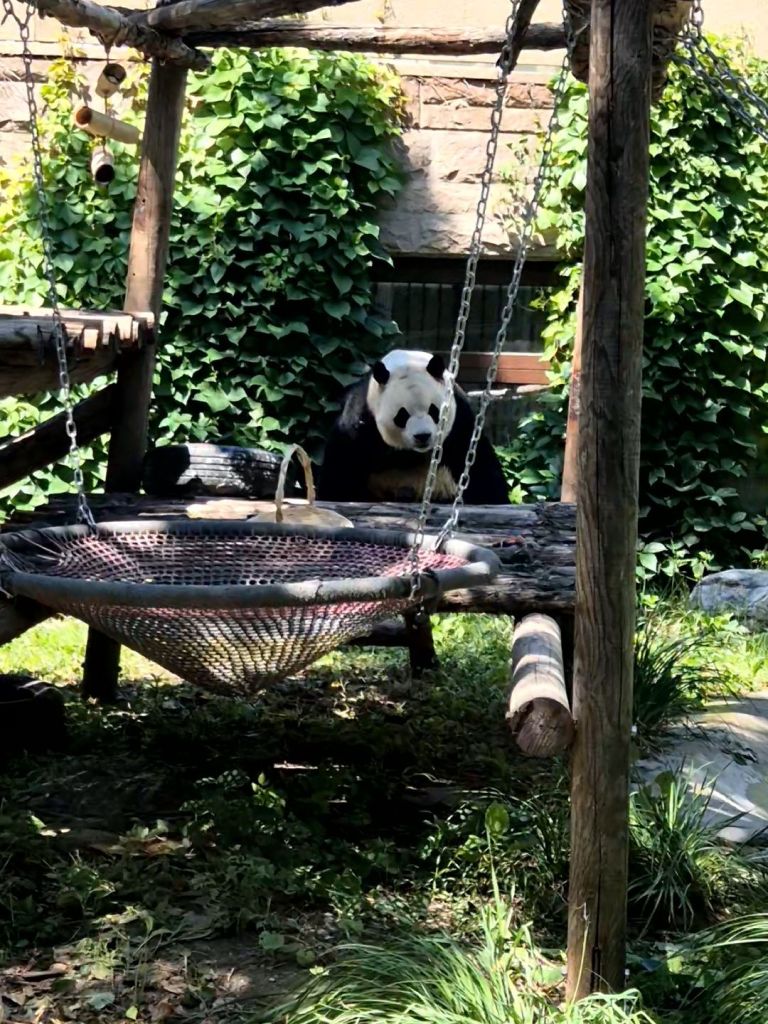
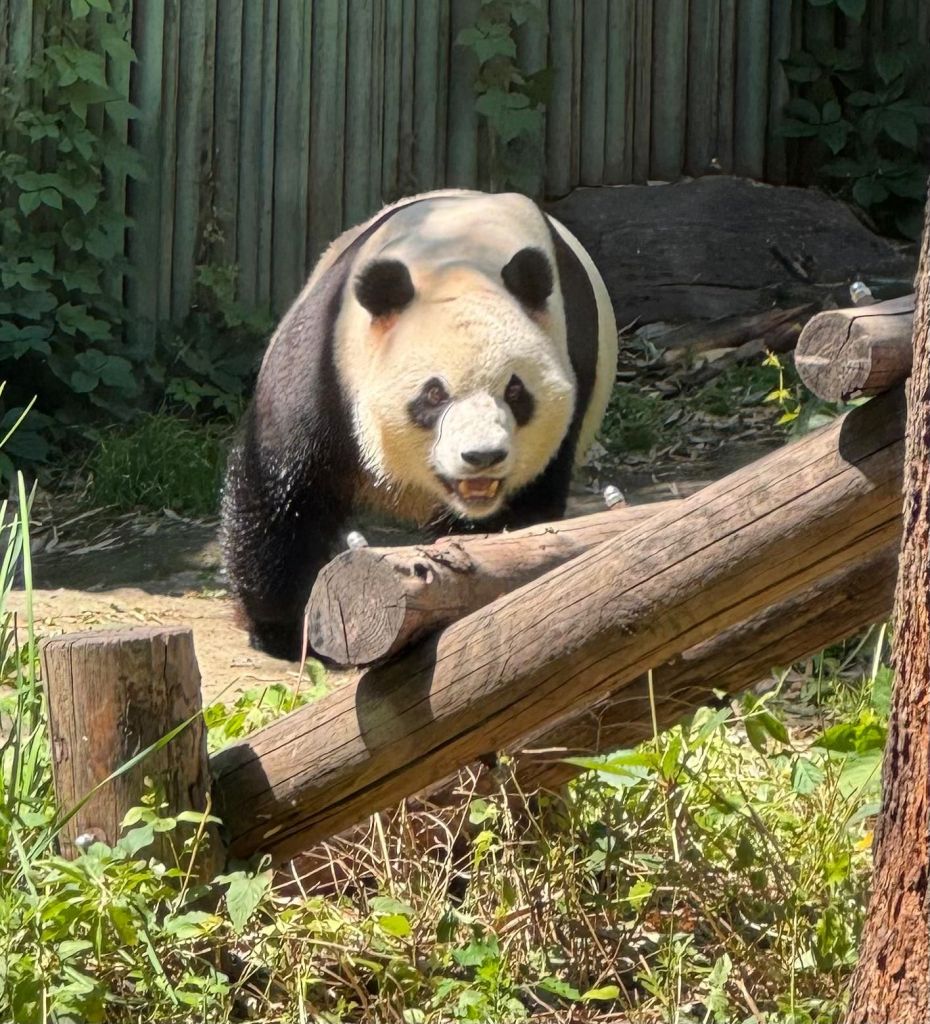
Hungry pandaWater pandaSmiley pandaPlaytime panda. There was food between the basketsHungover panda methinks.Hungover panda also. Perhaps they were at the same party.Playtime pandaAdventure pandaCurious panda Explorer panda
I hope they are happy and healthy pandas.
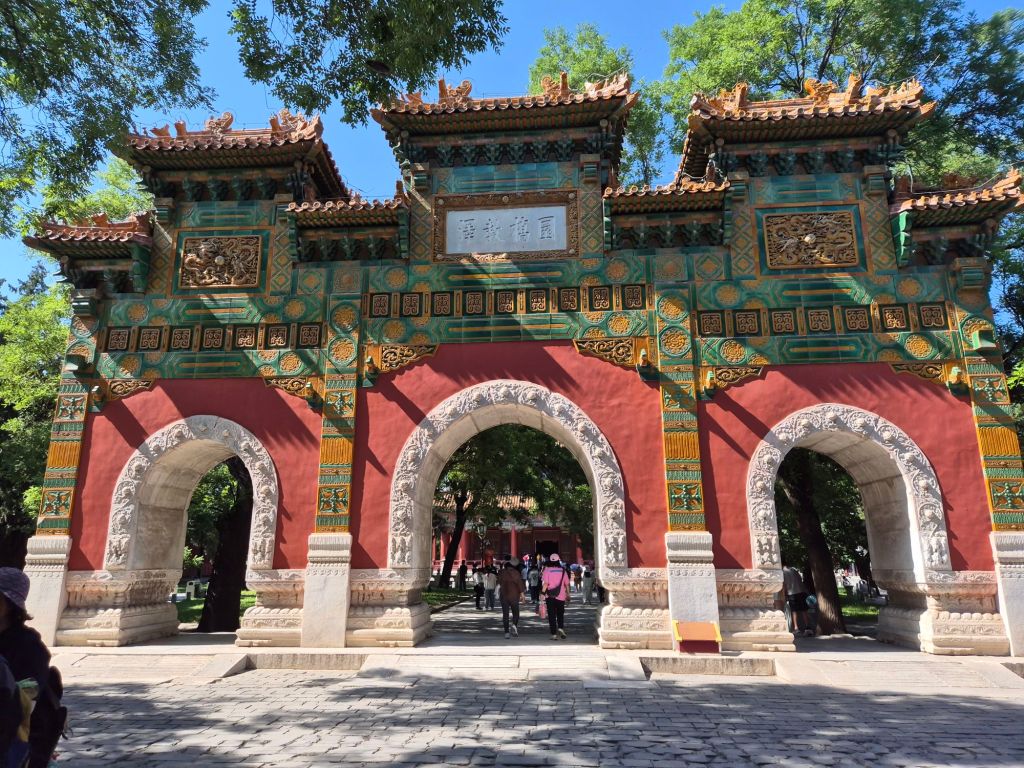
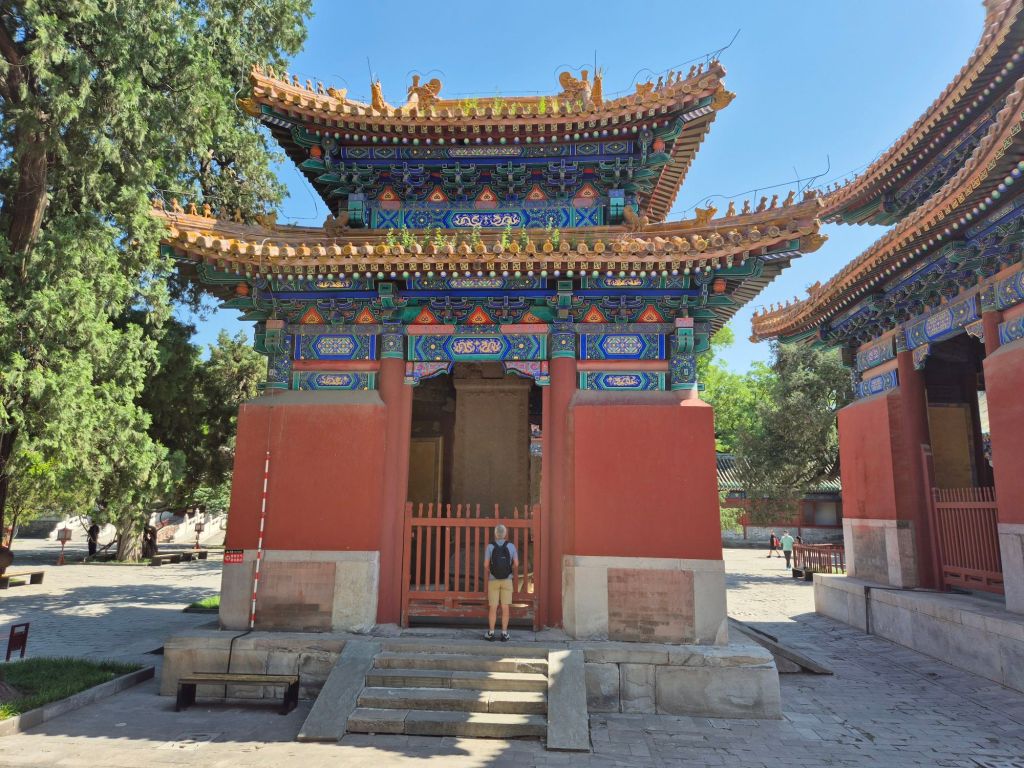
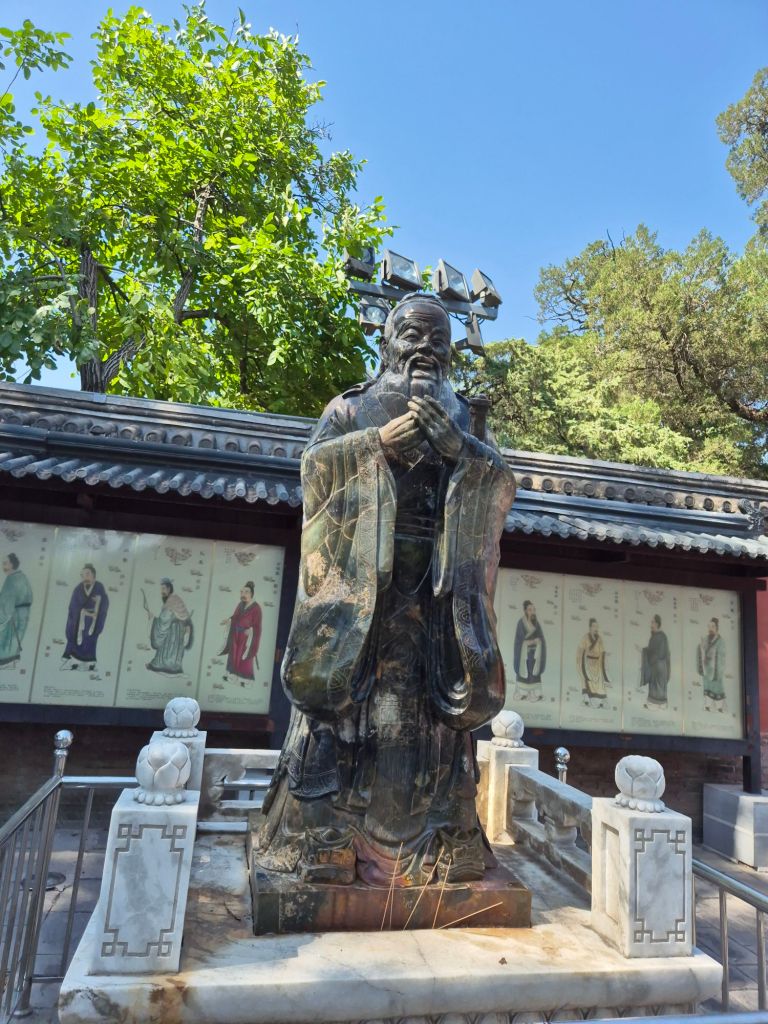
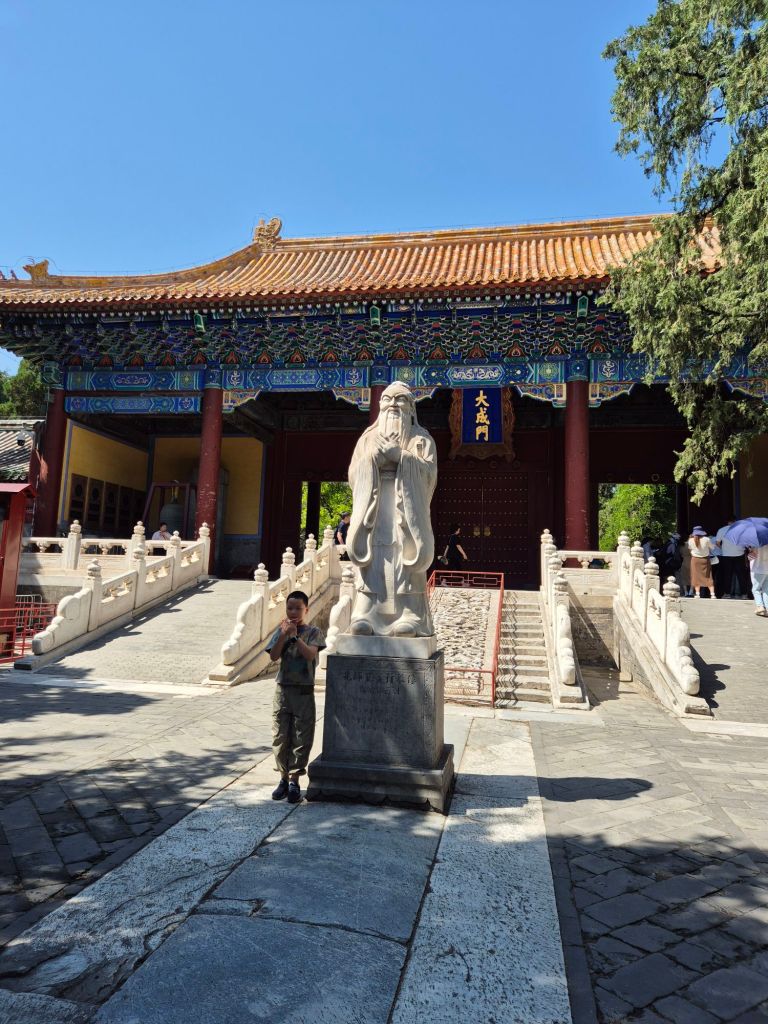
Today we also visited the Beijing Temple of Confuscious. Built in 1302, the temple is a place where people paid homage to Confucius throughout the Yuan, Ming and Qing dynasties.
Confucious was a Chinese philosopher c500BCE. His teachings focused on inner virtue, morality, and respect for the community and its values. The golden rule of Confucianism is “do not do unto others what you would not want others to do unto you.”
Inside the grounds and buildings are many important stone tablets recording the names of more than 51,000 jinshis (advanced scholars) as well as historical information about ancient China.I found this Temple really interesting, it had English descriptions at all the displays including many stories and teachings from that time.
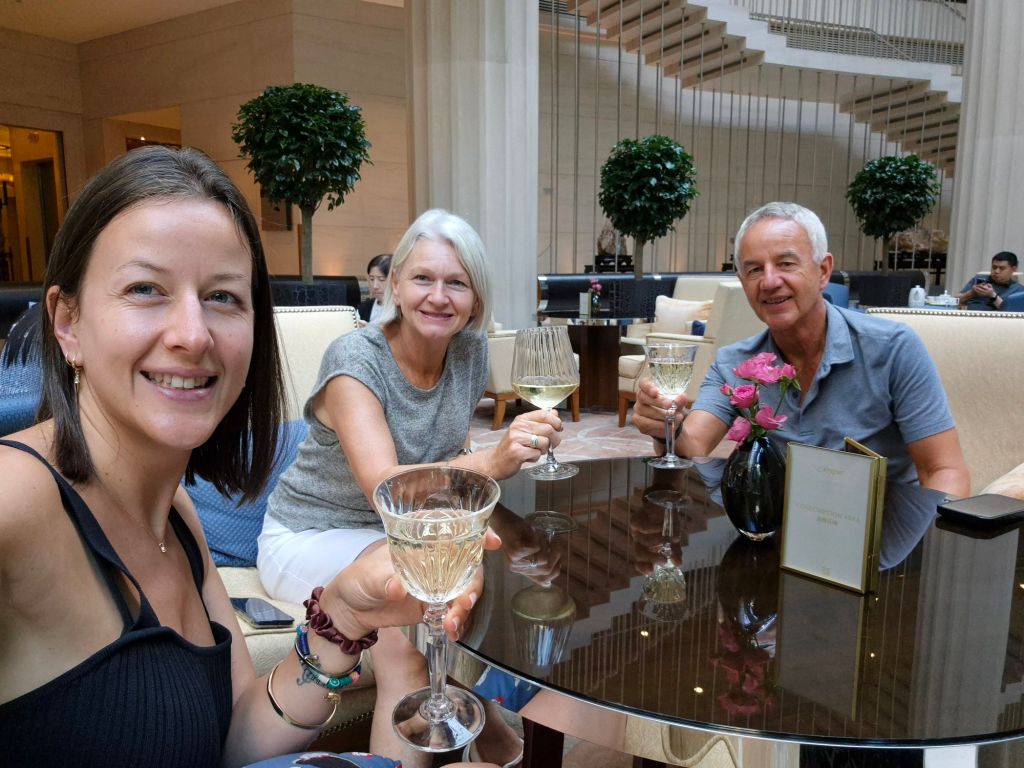
Our time in Beijing has just about come to an end, but there is always time for more bubbles, to reflect on our week here and enjoy a little more time together.
Over the last few days we’ve visited a number of Beijing tourist spots which has given insight into the depth of history here. Over 3000 years worth! Far too much to understand in a few days and way too difficult for me to articulate anything educational at this time. Being the end of the adventure with my brain being a bit mush and our guide’s average English, I had to rely on Google a bit to understand what I was seeing. There were also very few English signs around these spots despite them seeing tens of thousands of tourists per day! My brief understanding is as follows.
Throughout China’s long history, various dynasties (family groups that ruled the empire) rose and fell. The period when a particular family ruled is known as a dynasty.
Dynastic families often remained in power for hundreds of years until they were replaced by another powerful family group. The throne was passed from father to son.
China has had 13 major dynasties. The final dynasty, the Qing dynasty, ruled from 1644 to 1911 and was relatively stable until the 19th and 20th centuries when there was increasing conflict with Western powers. In 1911, the last of the Chinese emperors stepped down. The reasons behind this and the events that have happened since are too complex for me to understand right now.
Safe to say, I have a bit of research to do and this may be corrected later. Main highlights below.
Tiananmen Square
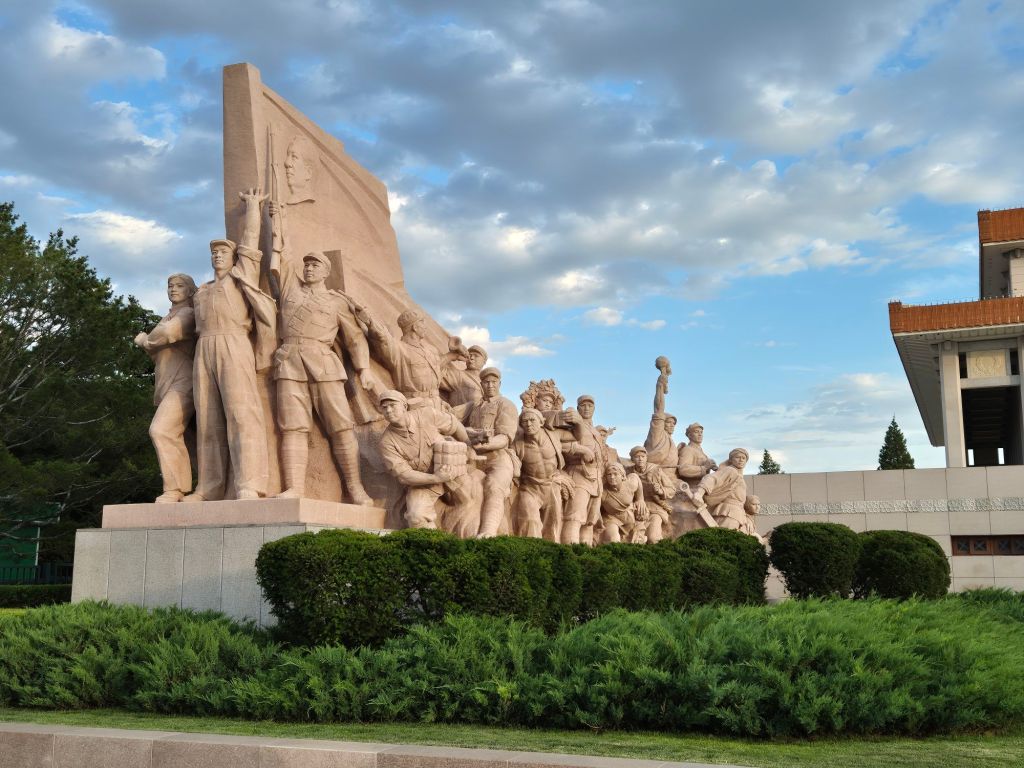
In 1949, Mao Zedong proclaimed the People’s Republic of China in Tiananmen Square. Since then it has been a national symbol of cohesion and prosperity of China. It is a massive space of 440,000 m2 and can hold one million people. A lot of history has occurred here, including the internationally known 1989 protest and massacre, (known locally as the June 4th incident), which led to the death of over 300 protestors fighting for freedom of speech and the end of corruption within the commuist party.
Tiananmen SquareMonument to the People’s Heroes is 37.9m high making it the largest monument in ChinaAn interesting sign we noticed outside Tiananmen Square
The Forbidden City
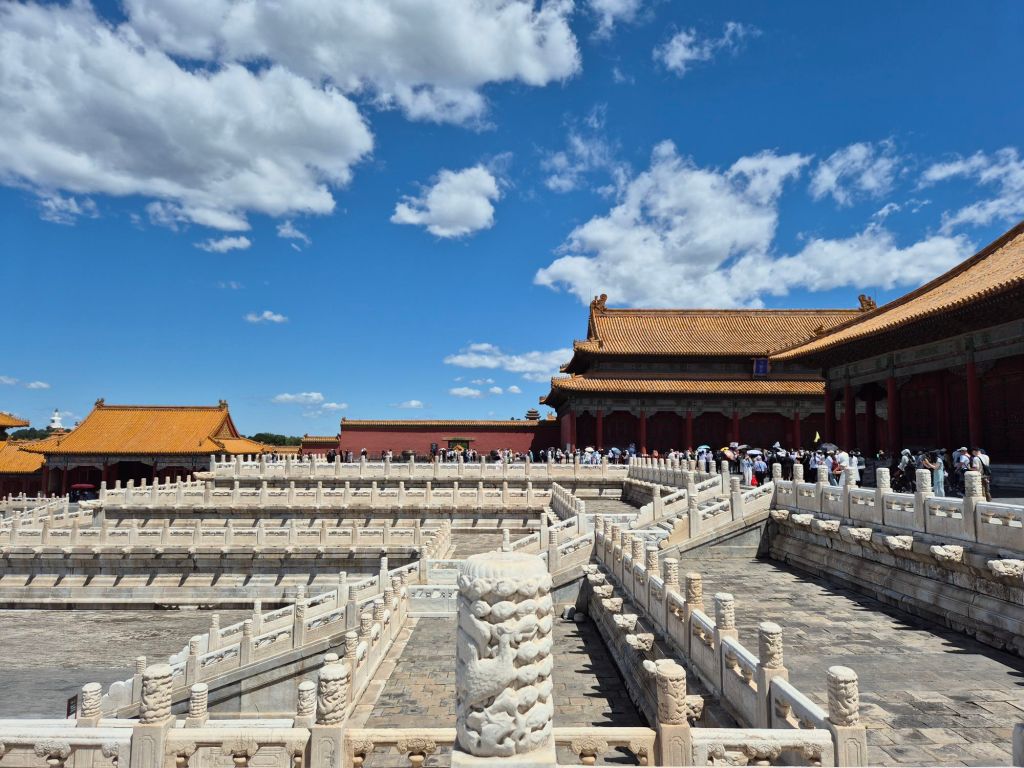
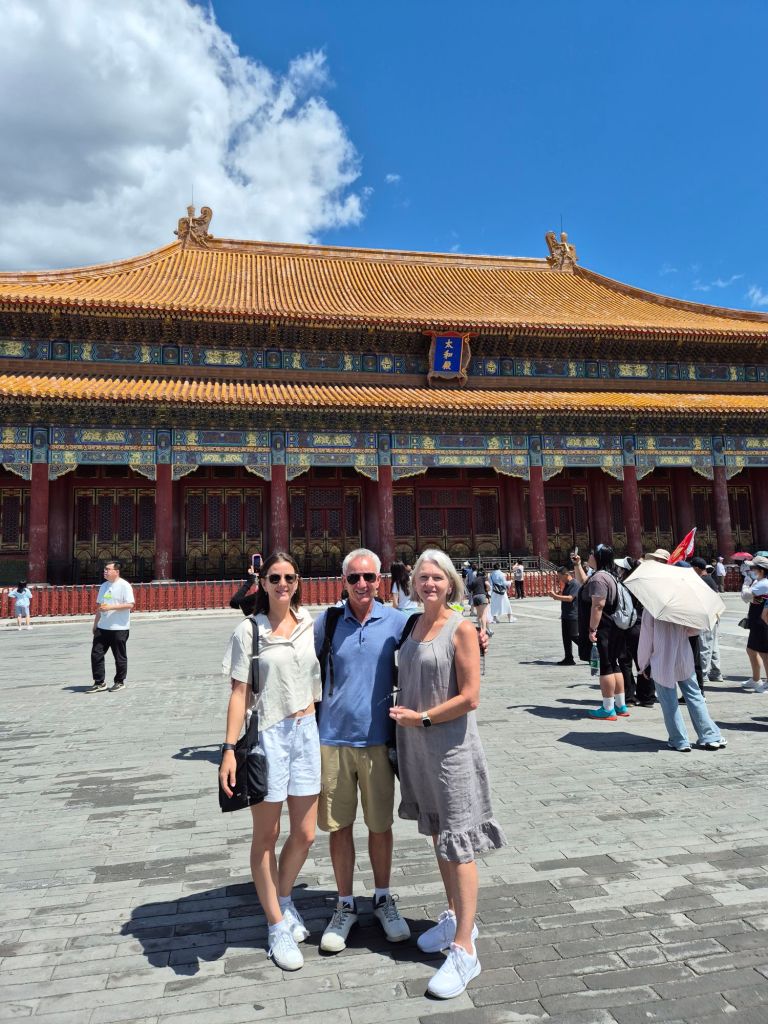
The largest palace in the world. A massive complex at the centre of the Imperial City of Beijing built in the early 1400s. It was the former palace of the Emperor and their families and servants from the Ming dynasty to the end of the Qing dynasty, between 1420 and 1924, 24 emperors in total. It gets its name because access was extremely limited to only Government functionaries and the imperial family. Some people, the Emperor’s many concubines, for example, were not allowed to leave. The emperor alone could enter any section at will. Surrounded by a 6m deep moat and a 10m high wall, it consists of nearly 100 buildings and impressive gardens over 72 hectares. Construction lasted 14 years and took more than a million workers. It now functions as a museum and attracts 14 million visitors a year. Fun fact, in the Forbidden City, there are more than 100 cats.
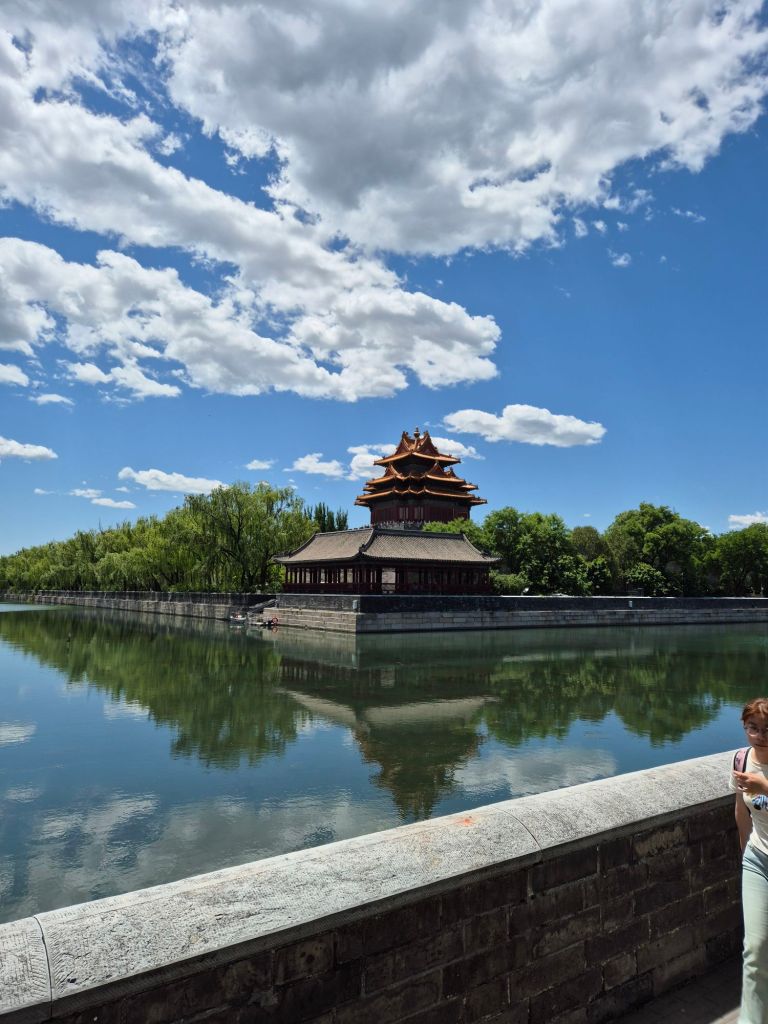
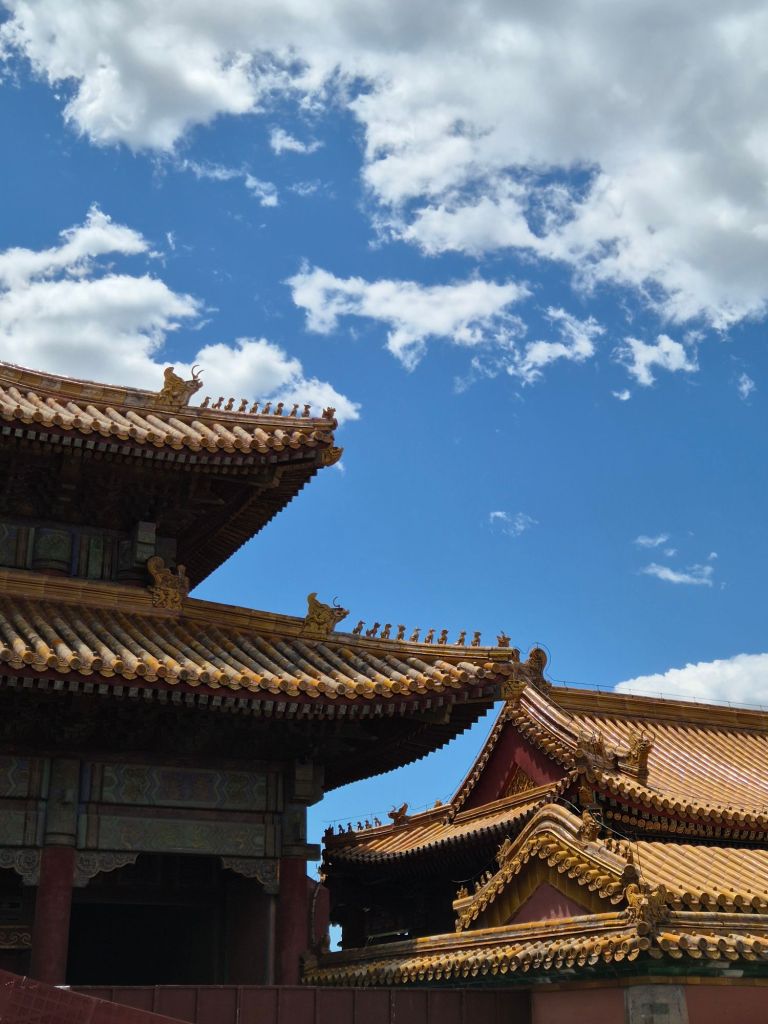
A watchtower on the edge of the moatKitty catThe more animals, or mythical beasts, you had up here, the more important you were. The emperor had the most.The Emperor’s office
The Summer Palace
A huge array of lakes, gardens and palaces covering 2.9km2, three-quarters of which is water. It was an imperial garden under the Qing dynasty. By this stage, we’d seen plenty of ornately decorated buildings and decided the Emperor was too rich and flashy. But aren’t they all.
Additional things of interest
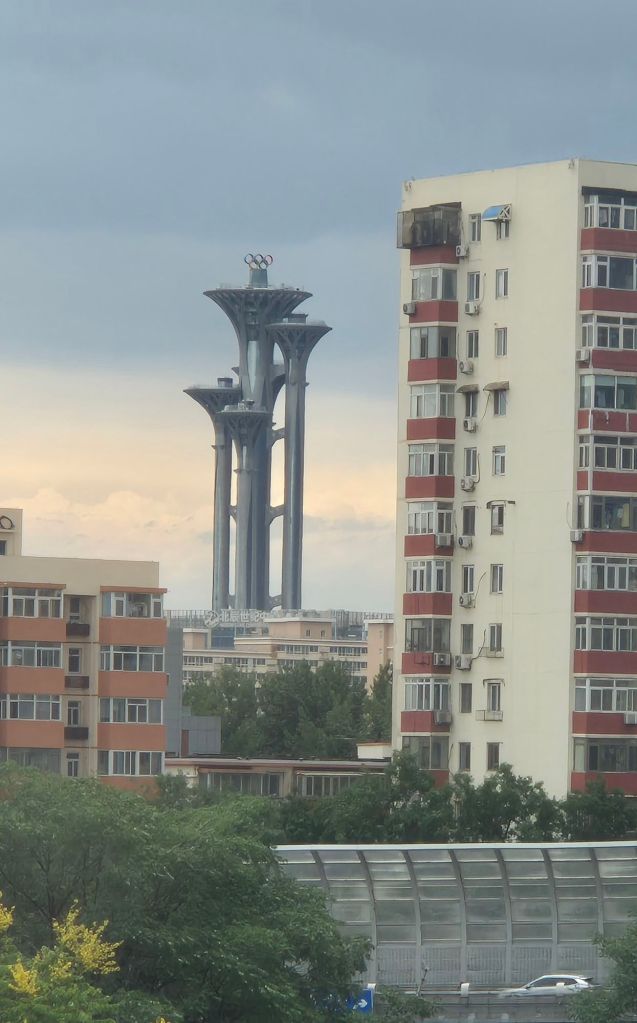
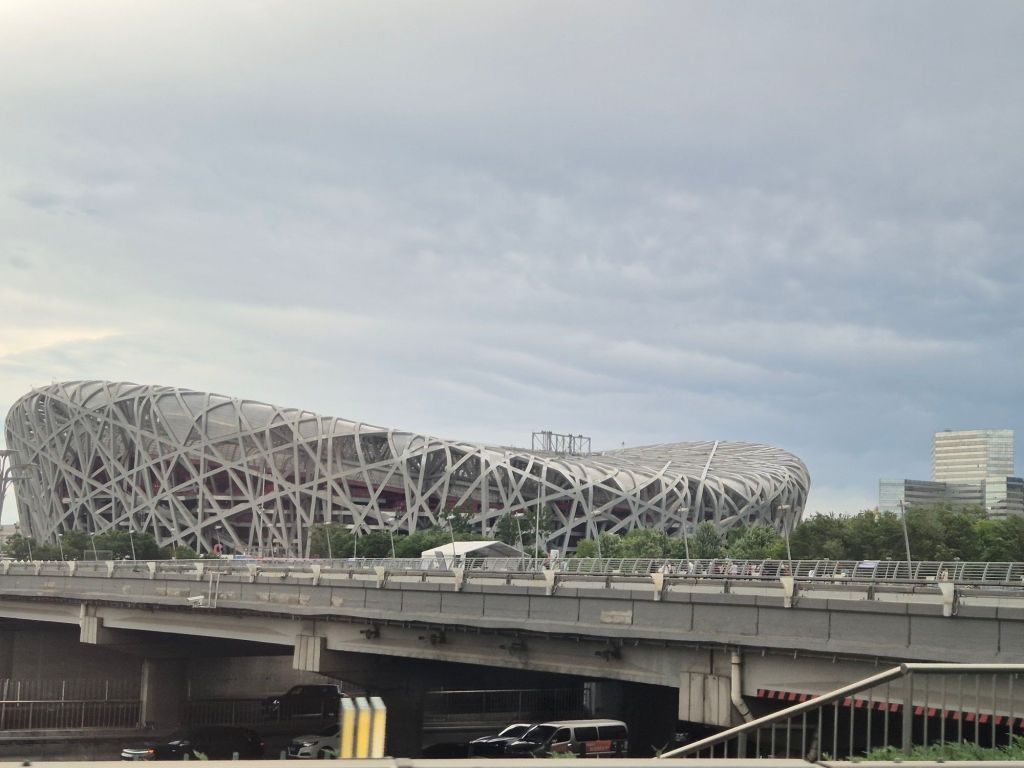
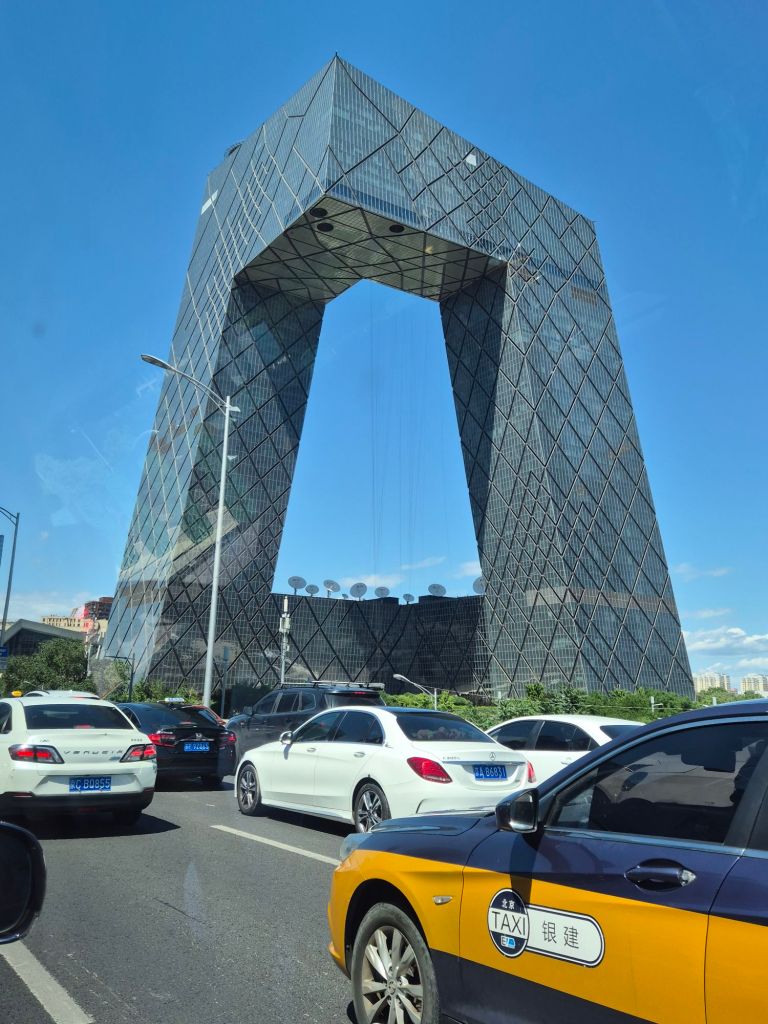
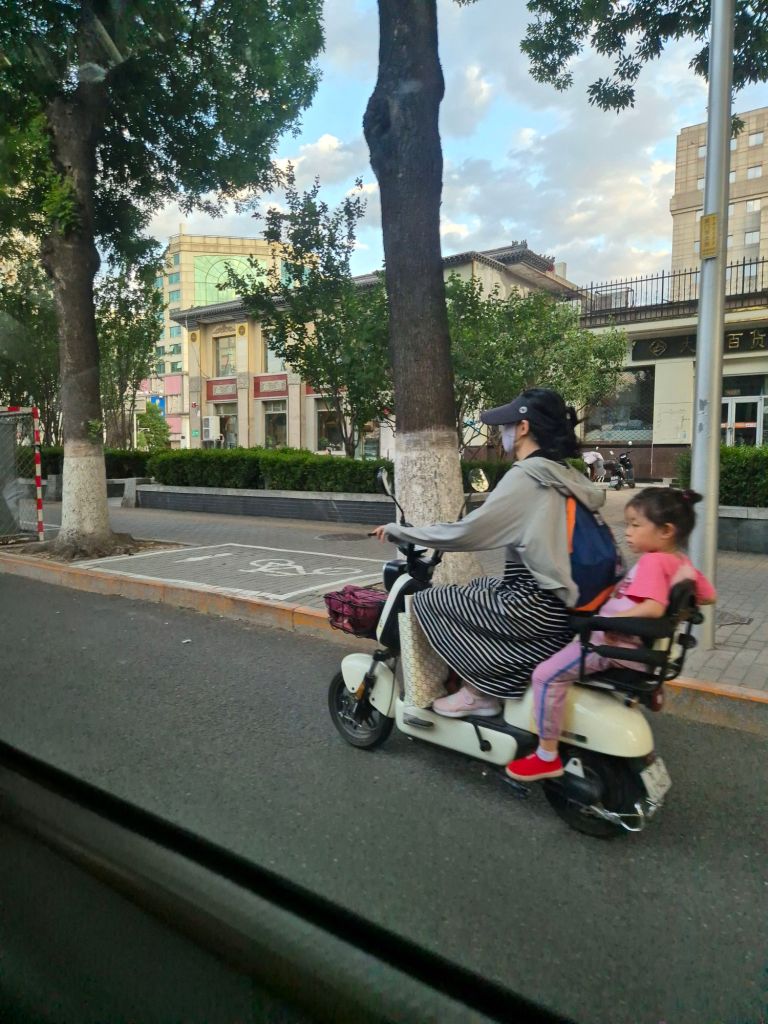
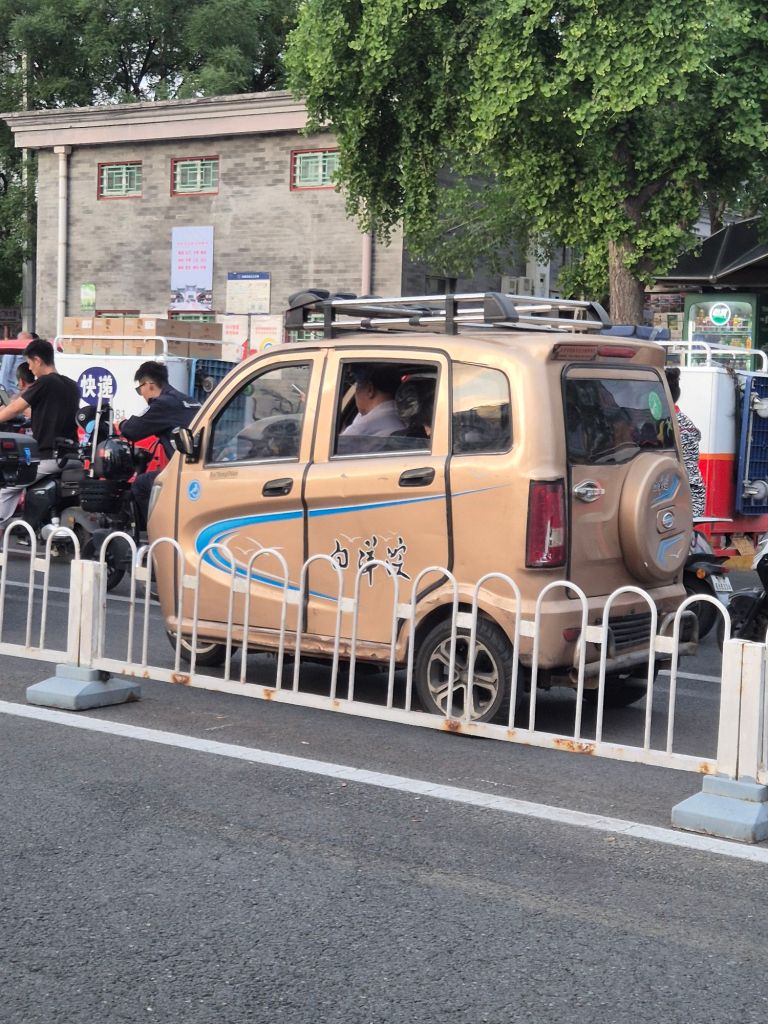
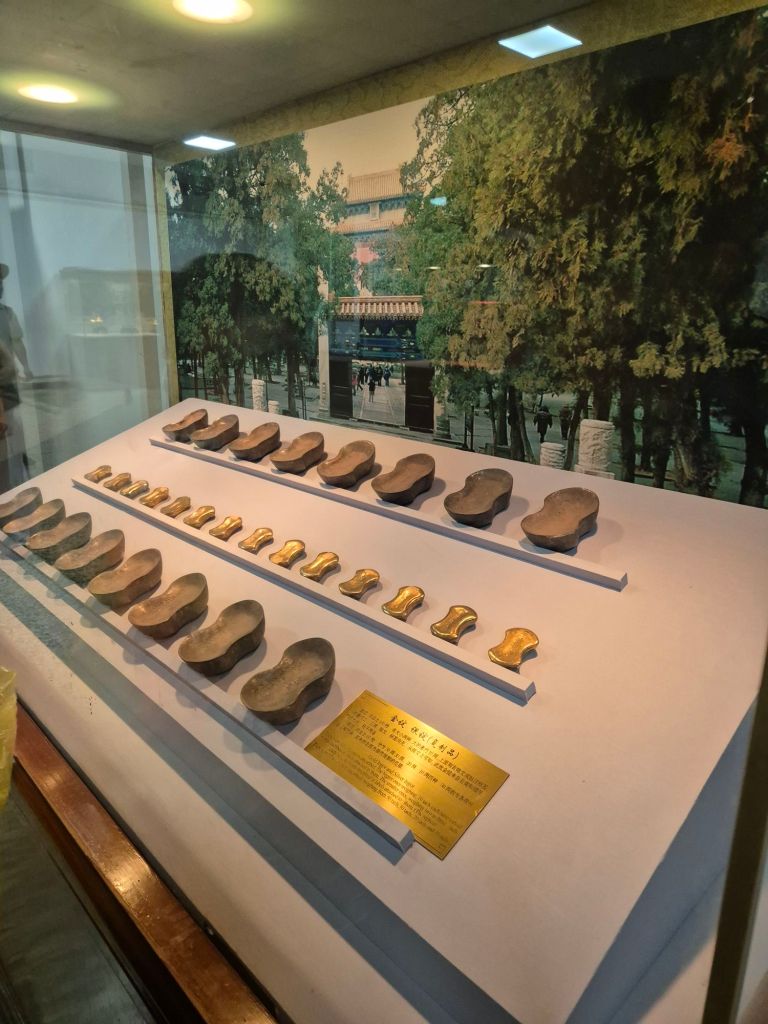
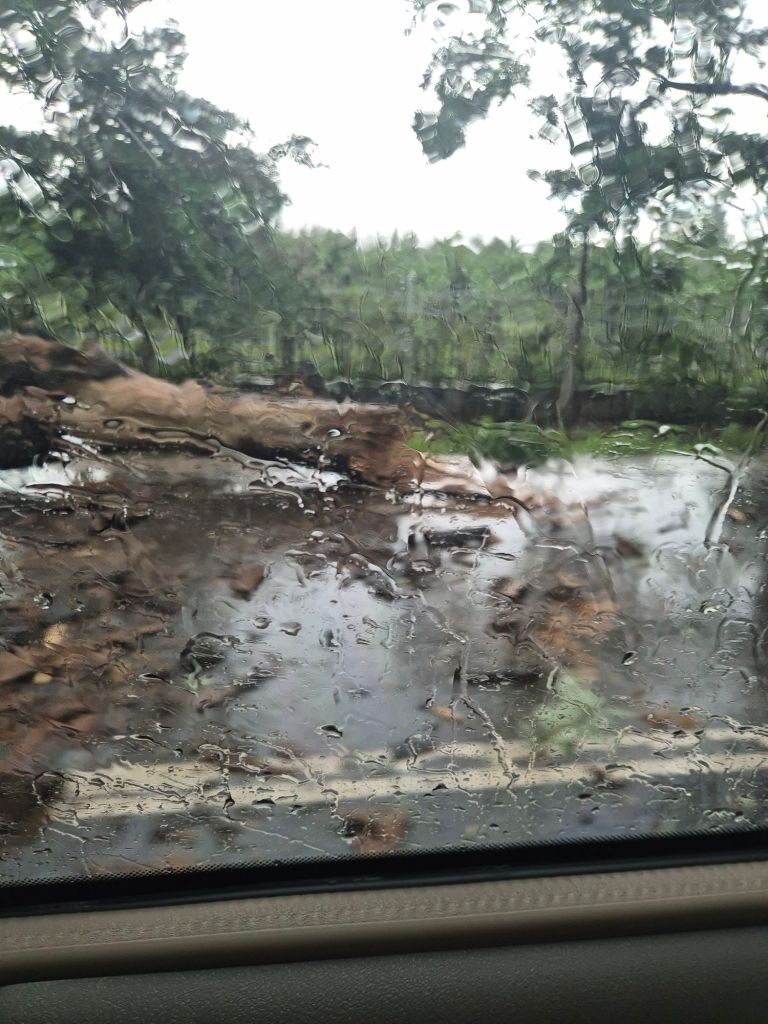
Info signs often looked like this..super helpful!Some of the massive meals we’ve had!Olympic buildingsCalled the Birds Nest, Beijing National StadiumCCTV buildingCommon form of family transport. No helmets!Funny cars we see along the wayJust cool trees growing out of a stone wallOld moneyWe came out of a tomb to discover a crazy storm had happened and many trees were completely uprooted
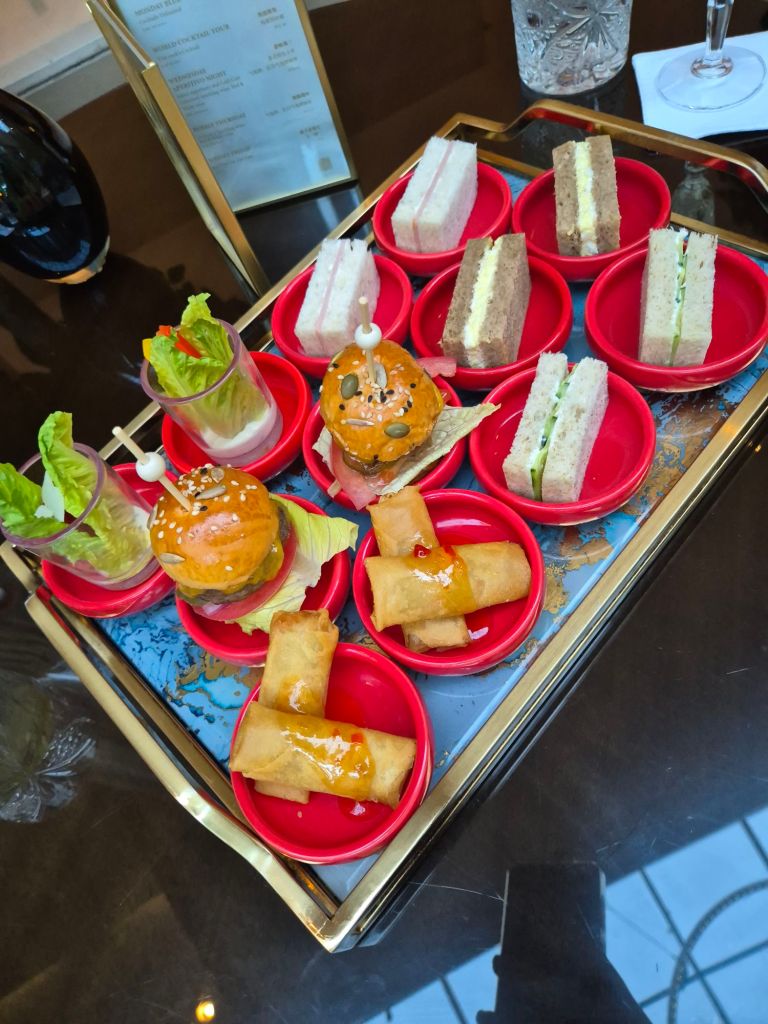
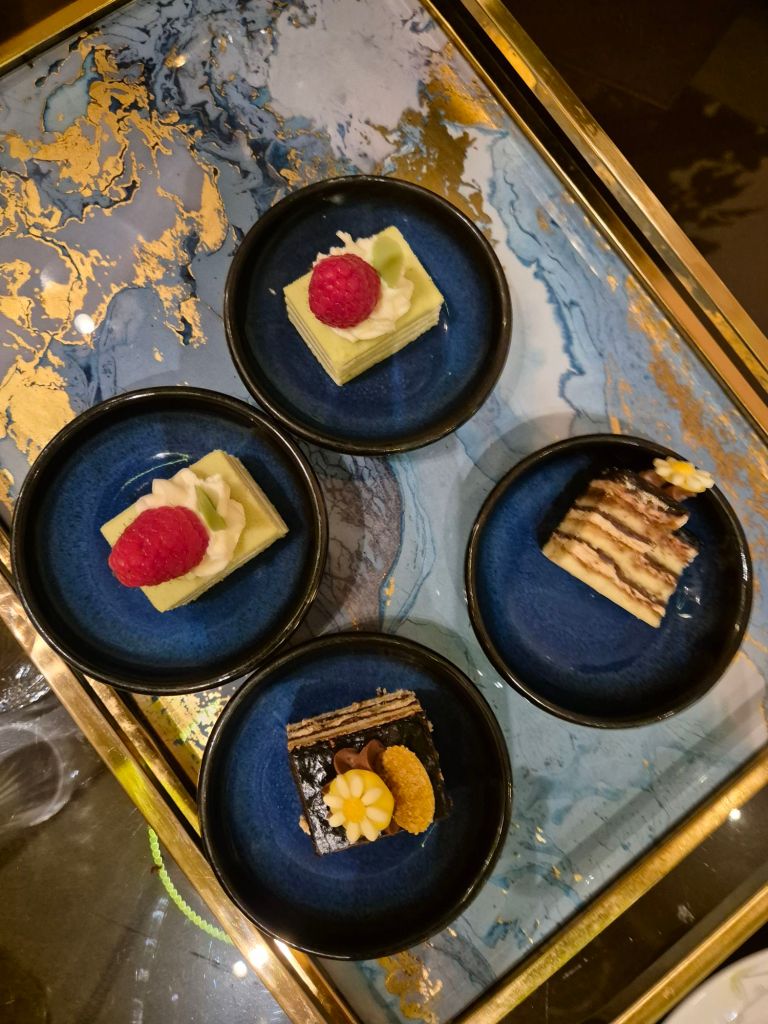
In our hotel, Dad and I took advantage of the Thursday night special “all you can drink” bubbles for RMB188, about NZD $43 . I think they were surprised by how literal we took this. They brought us multiple complimentary snacks which we think was to slow us down. Or maybe congratulate our bubbles consumption skills. What a deal!
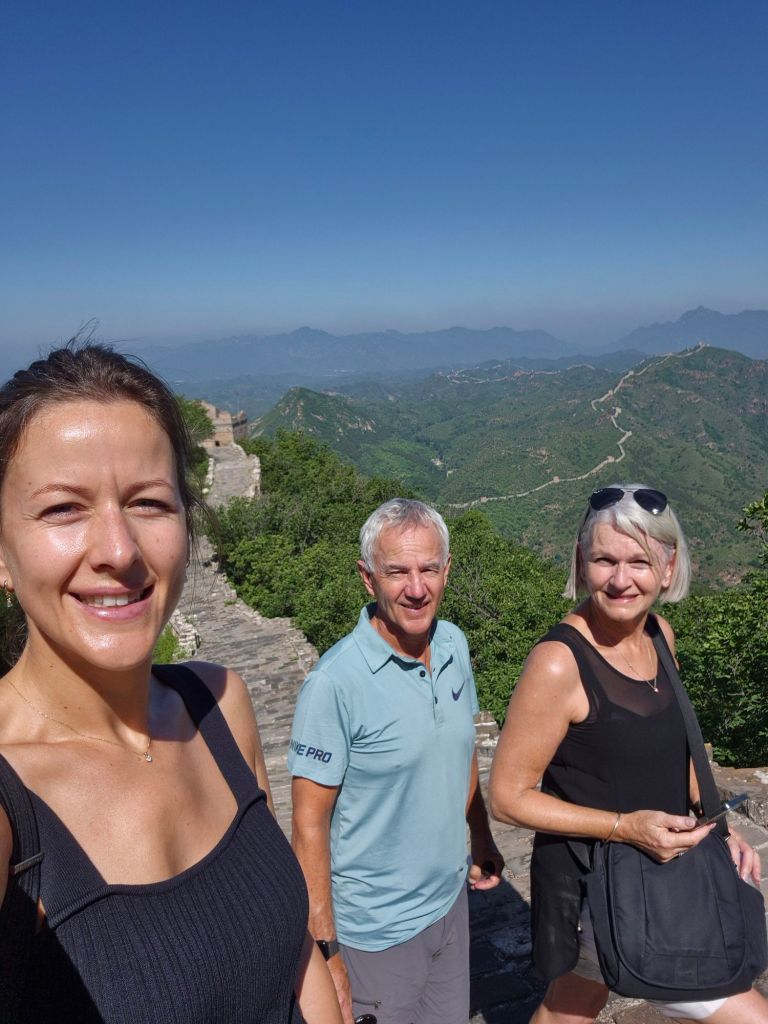
Today, we revisited the wall in the daytime with all 10 towers open and ready to be explored. We took the cable car up around 9 am, which was an hour after opening, and remarkably, we appeared to be the only ones up there! Us and the cats.
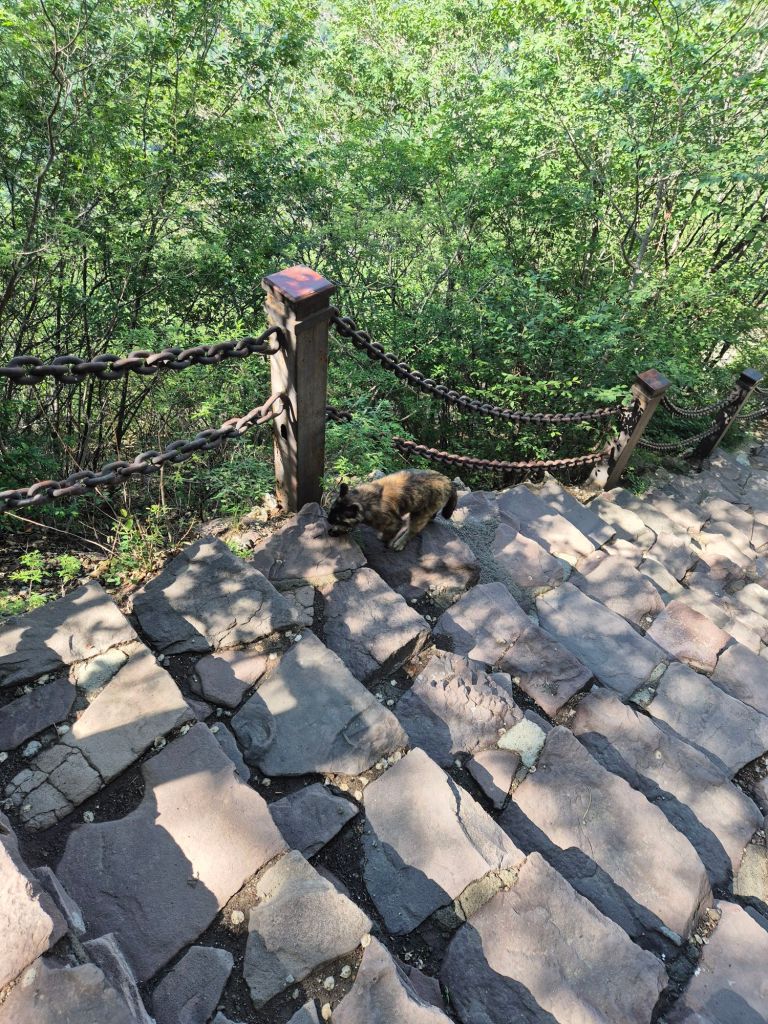
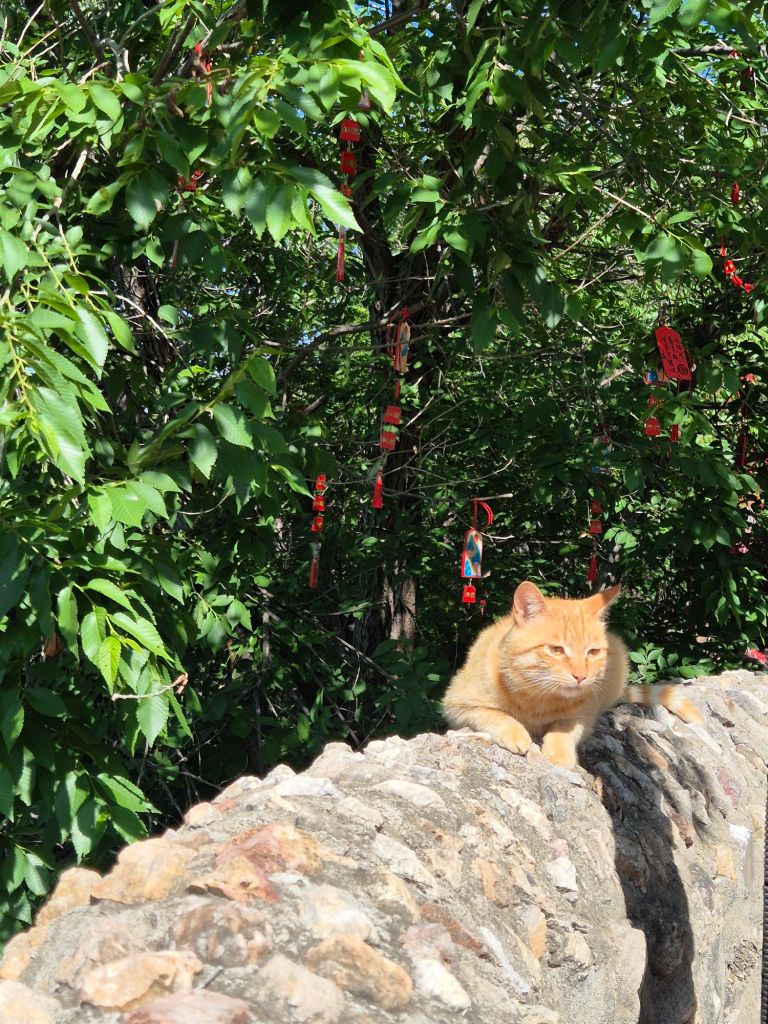
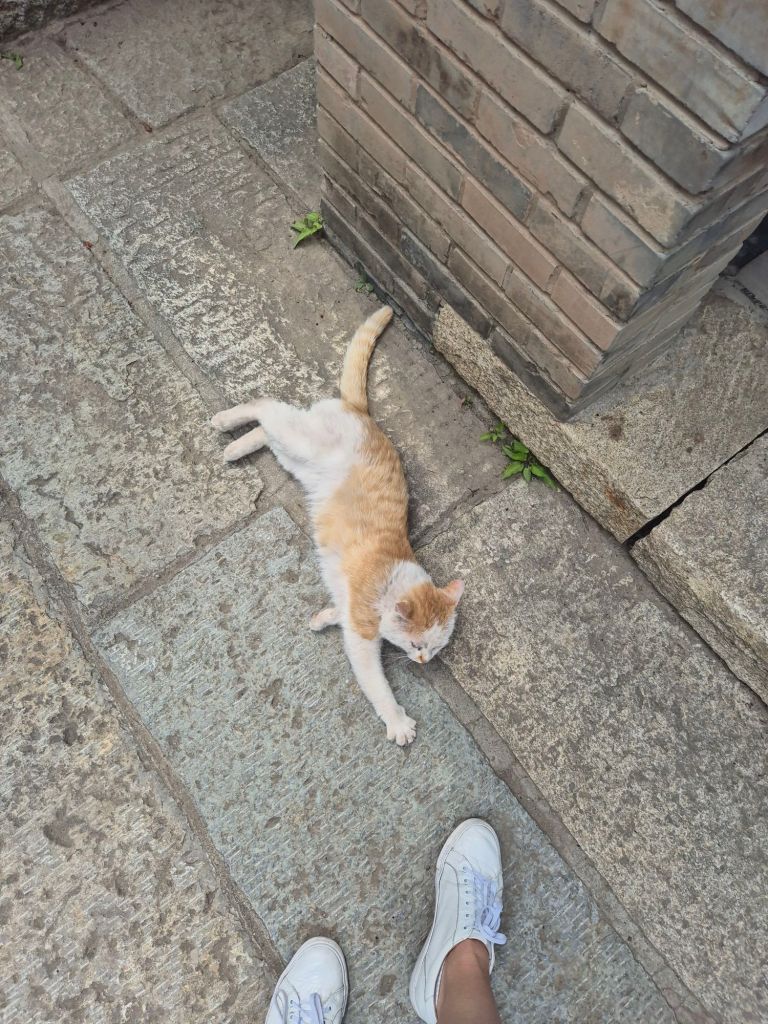
This wee girl followed us all the way from the cable car to the base of the wall. Probably about 10 or 15 min walk. She got many pats and it made me sad to leave her as she meowed.
Fun facts about the Great Wall of China:
* Contrary to popular belief, it can NOT be seen with the naked eye from the moon
* The wall is known as the longest cemetery on the planet. Millions of laborers died while building the wall, many of them buried beneath it.
* The wall is over 21,000km long, equal to half the length of the equator and takes 18 months to hike
* The average height of the wall is 6-7 metres
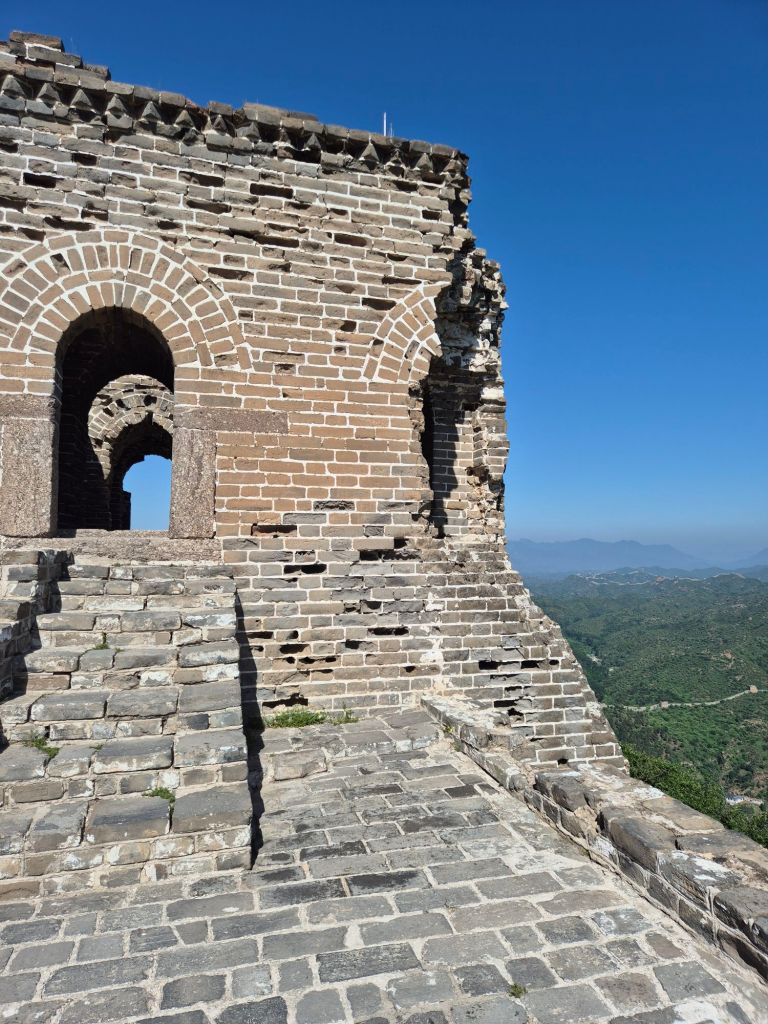
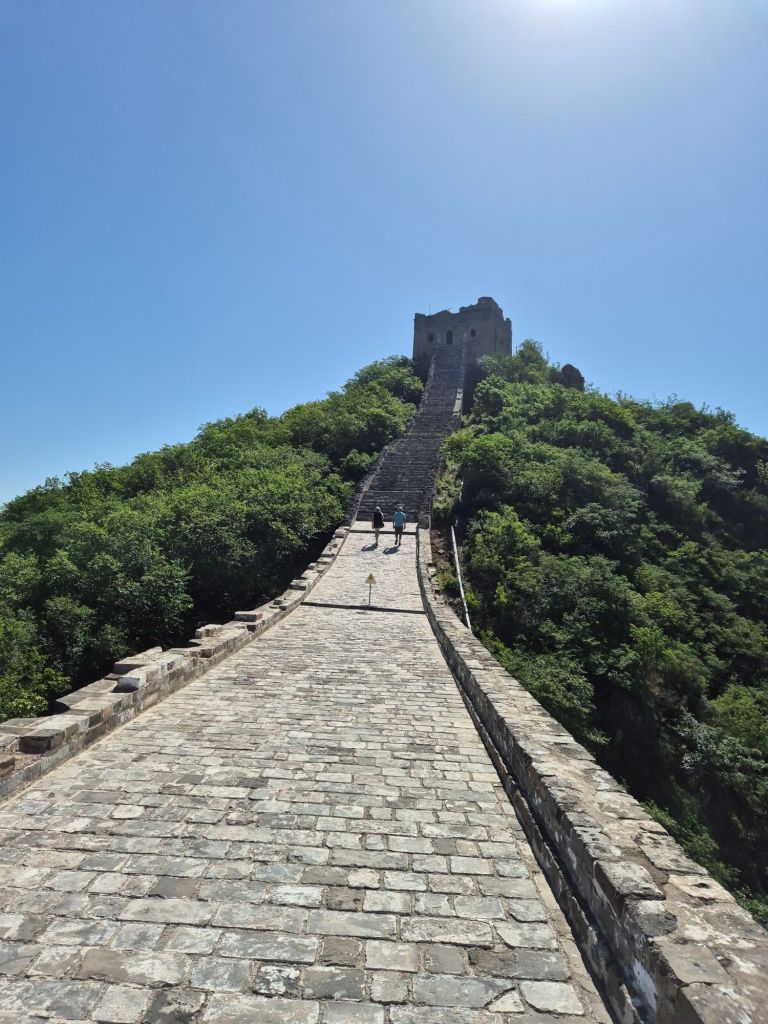
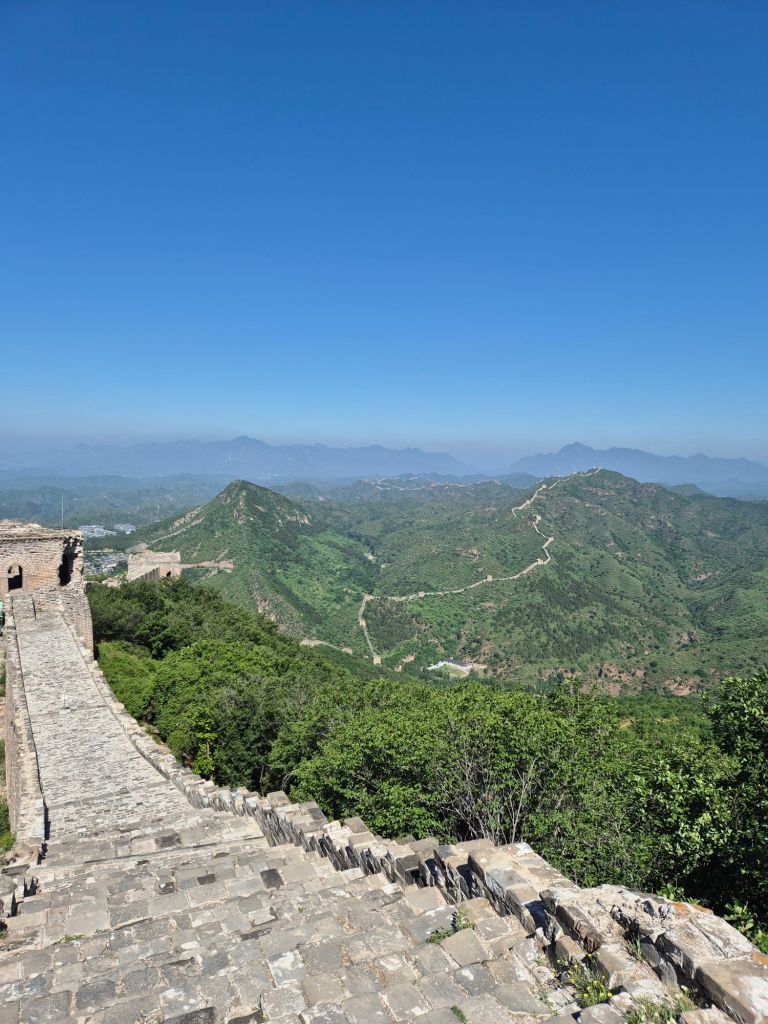
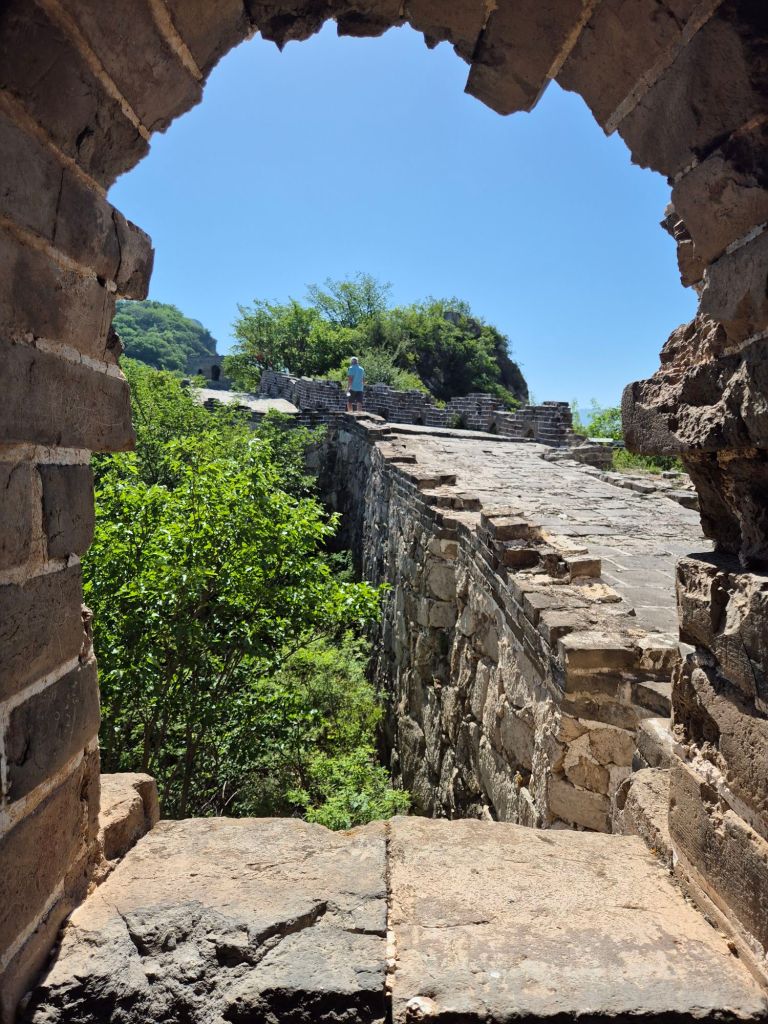
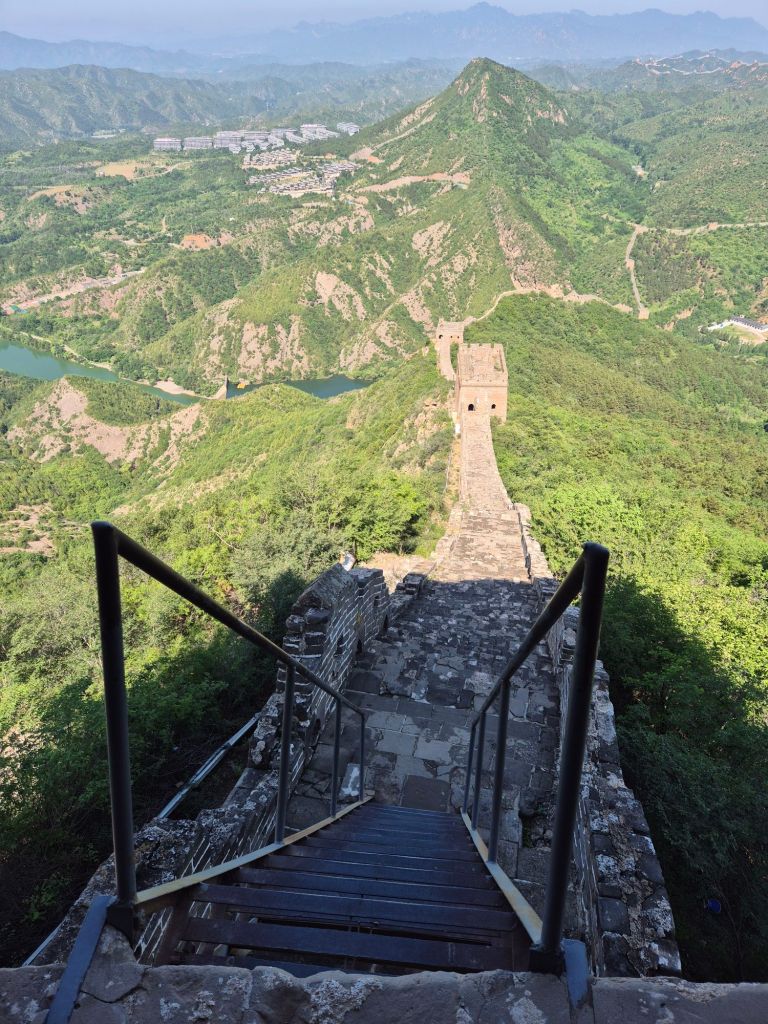
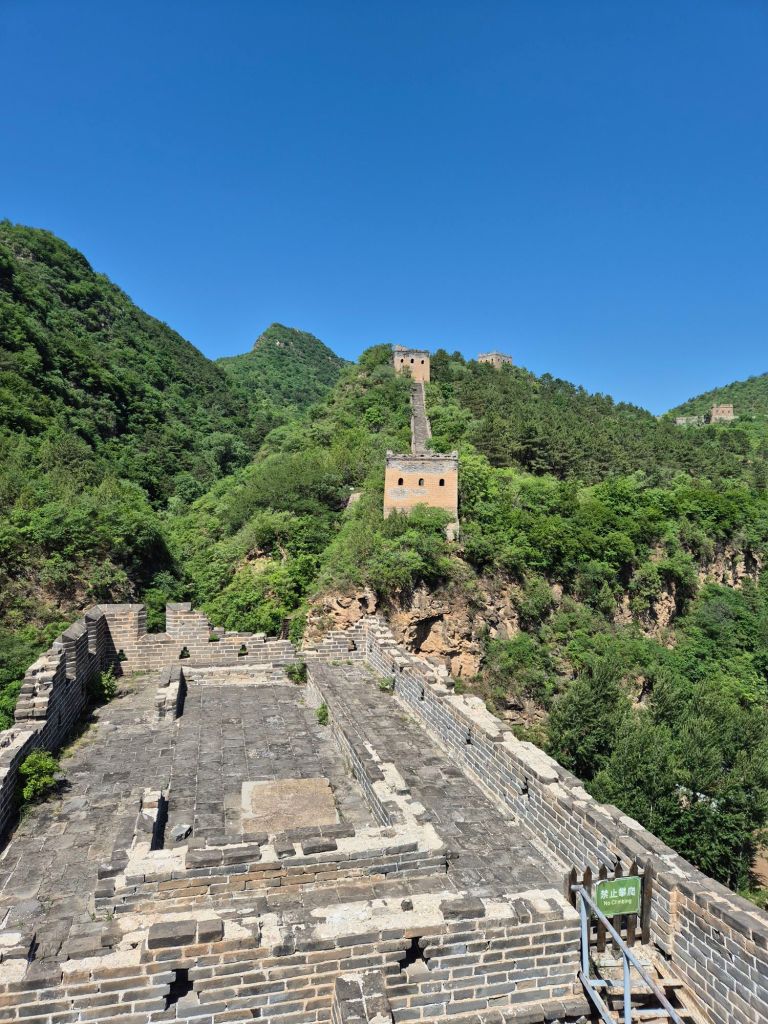
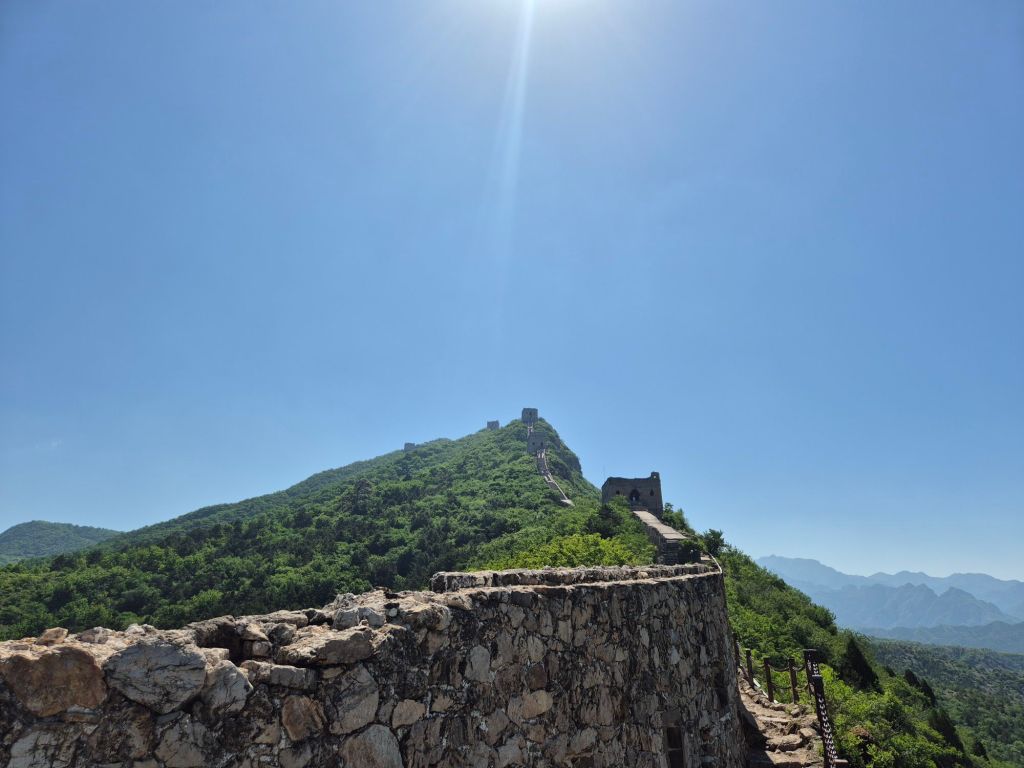
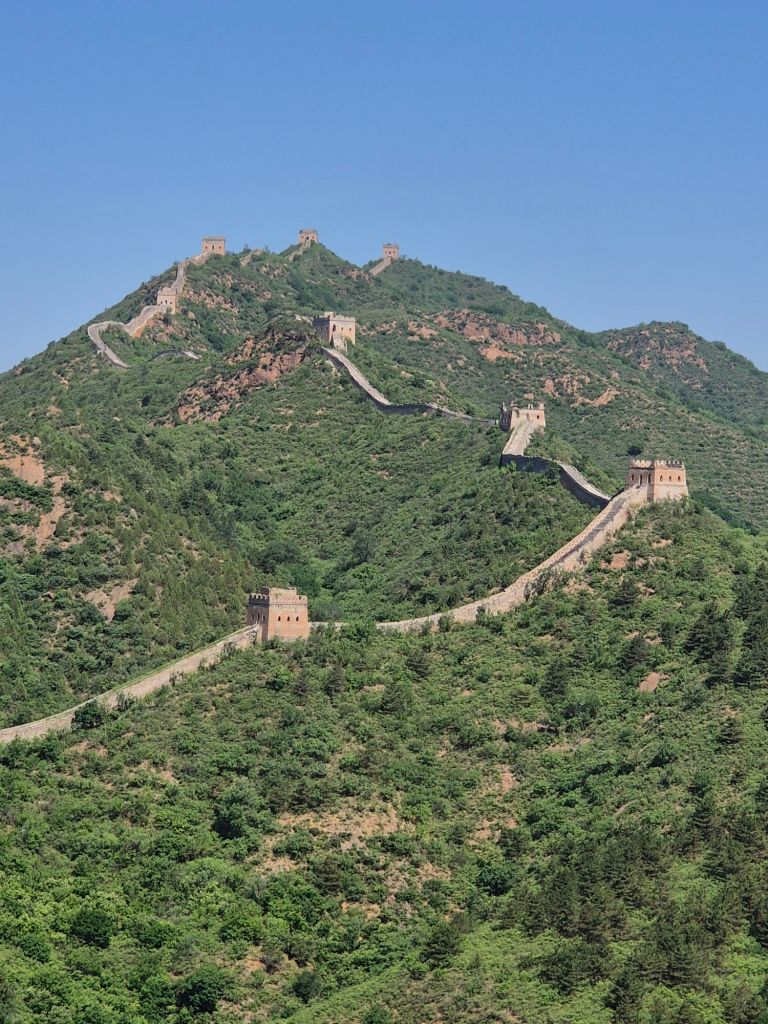
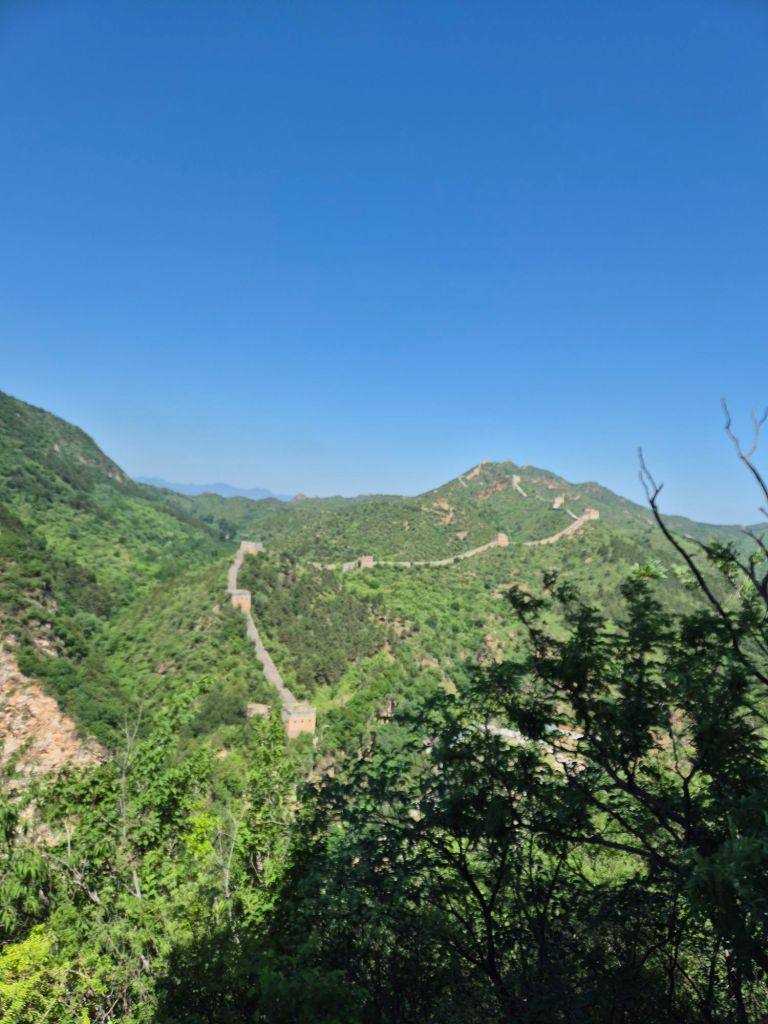
The section we hiked today ranged in elevation from 300-1000m and roughly 75% of the bricks and granite base were original. We were surprised at how chill the health and safety was in that there were minimal safety rails or ropes on the side of the wall. Which is good because it preserves the image of the wall, but when the wind came up… lucky I had a big, strong breakfast.
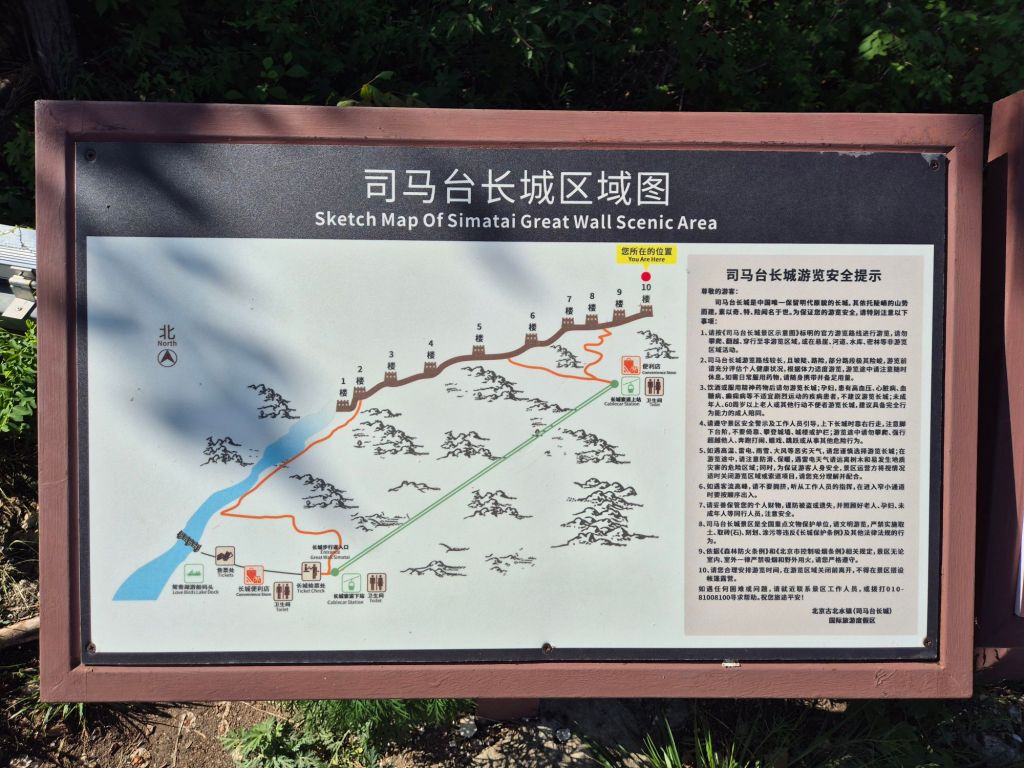
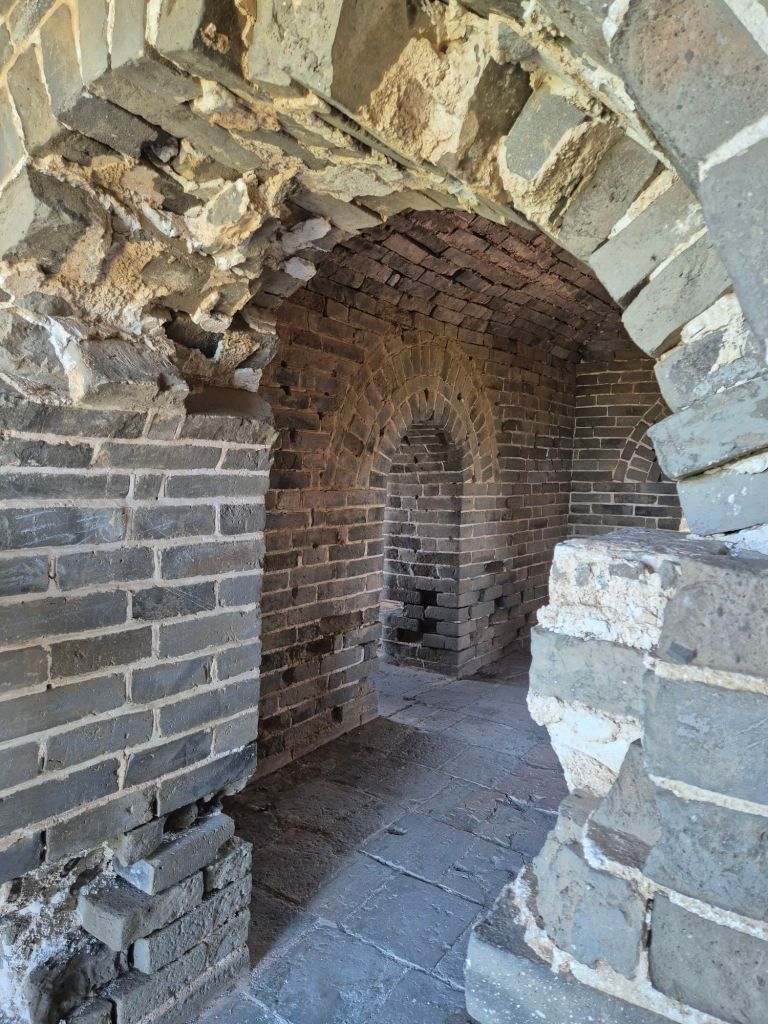
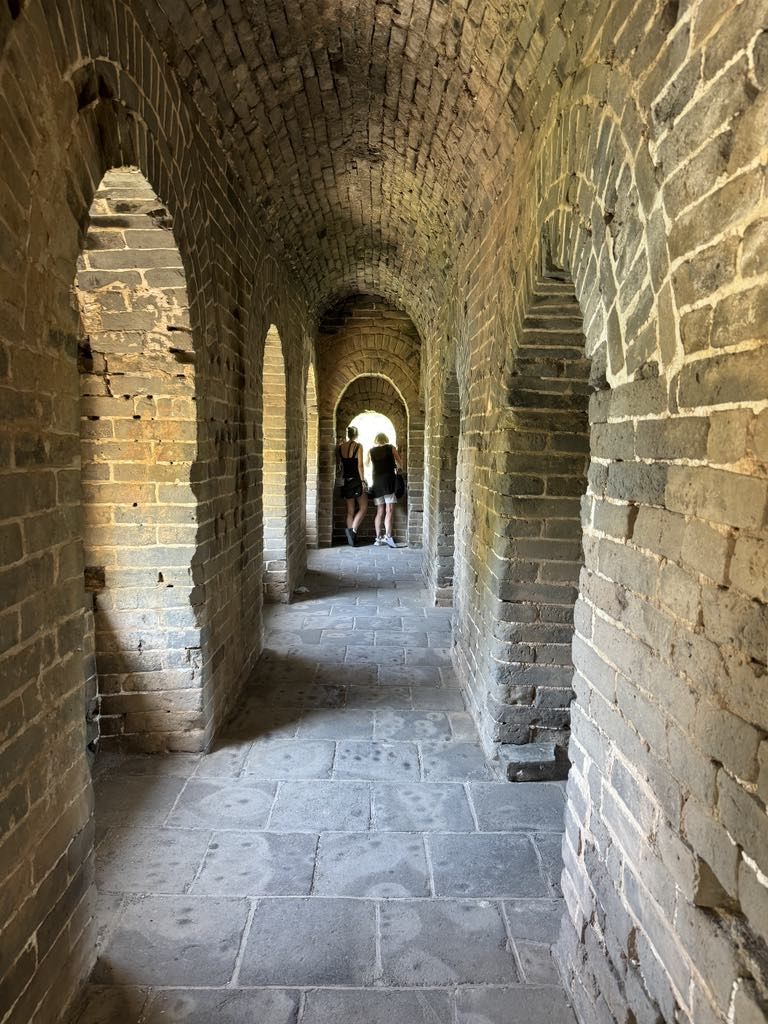
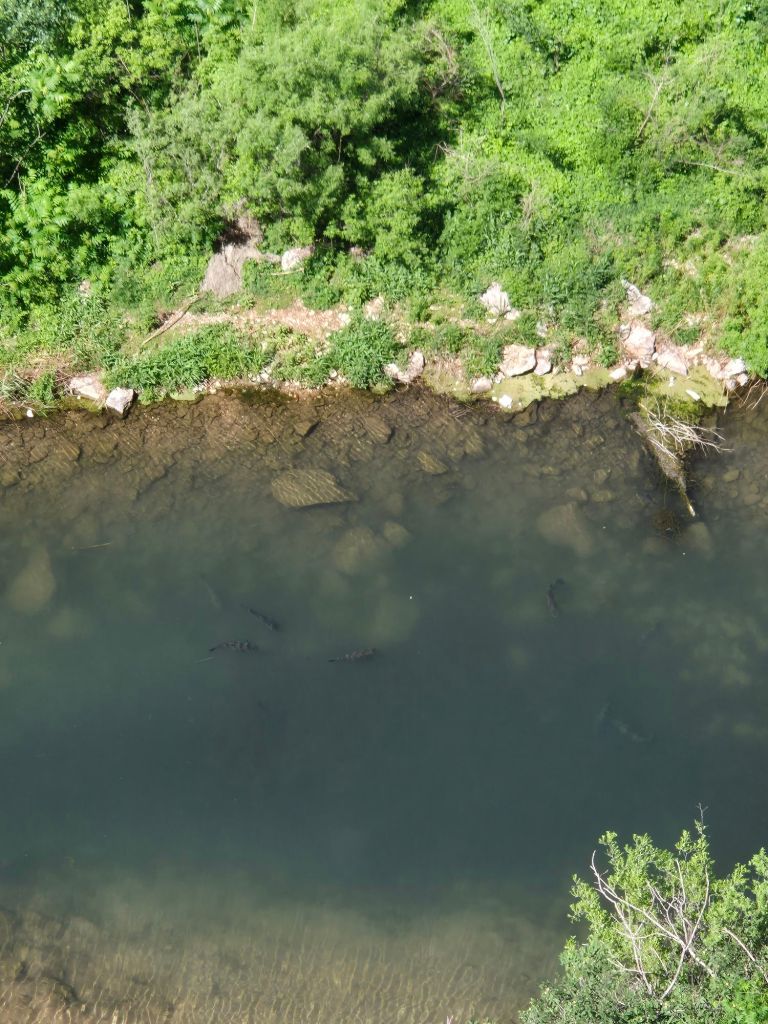
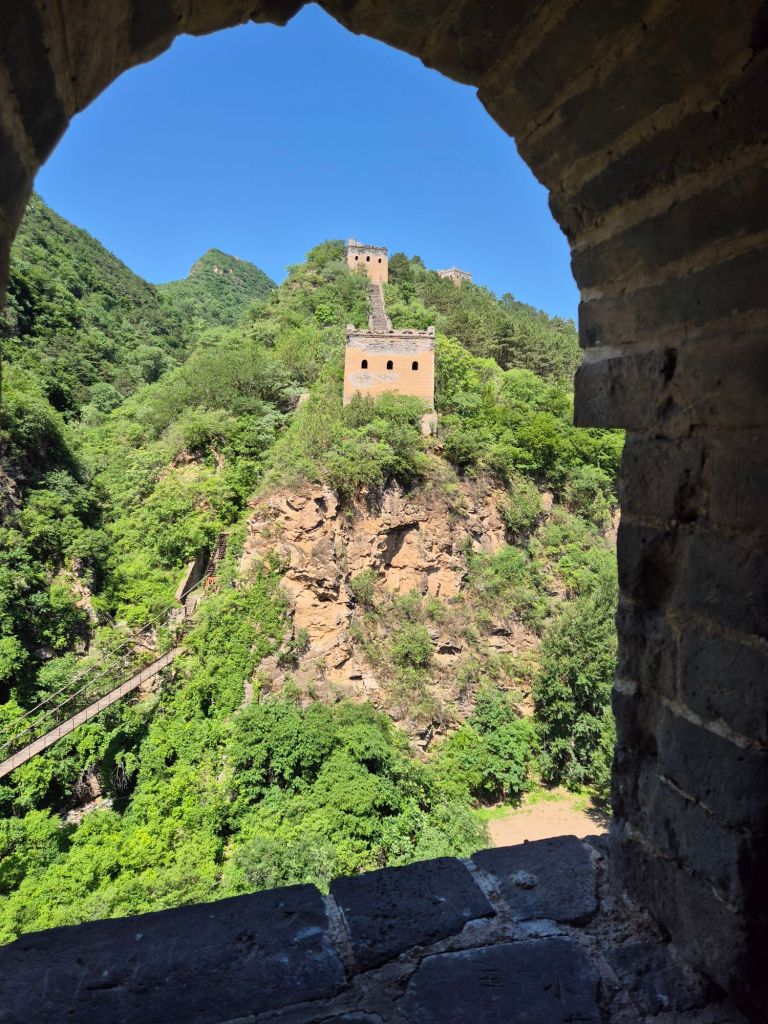
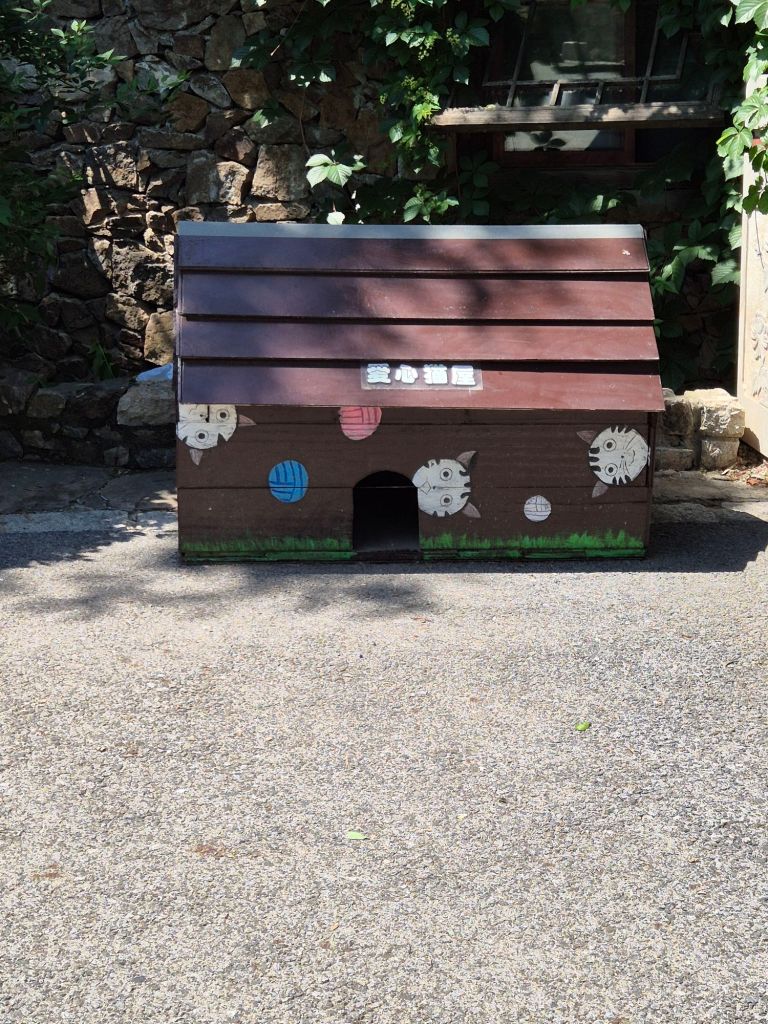
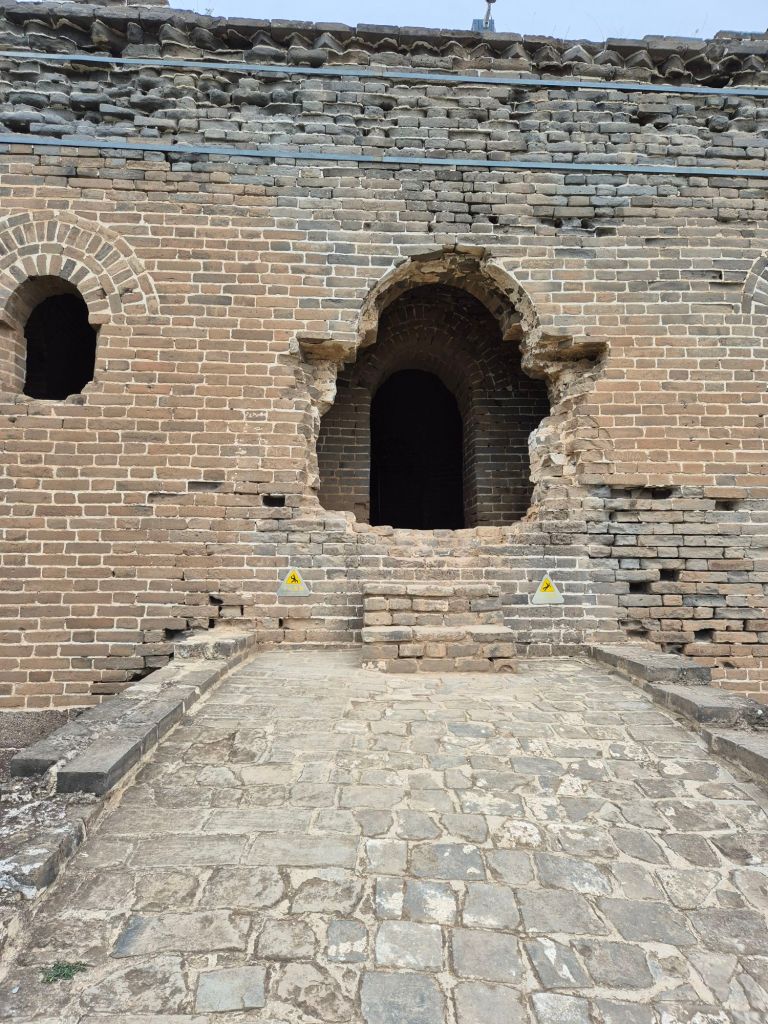
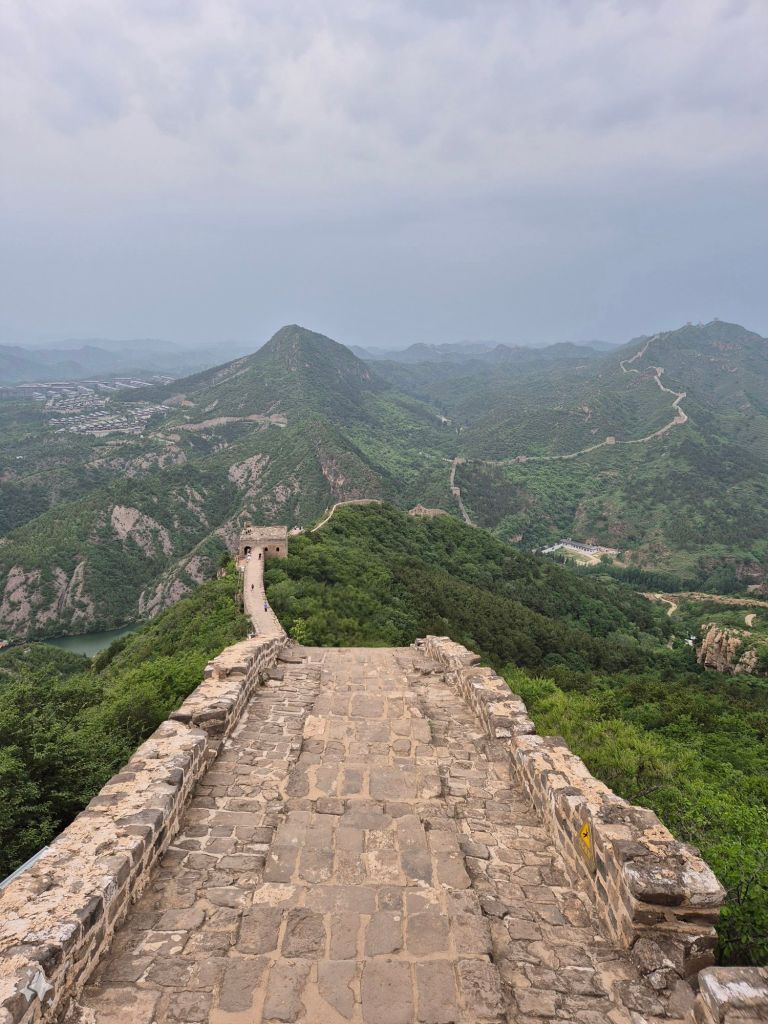
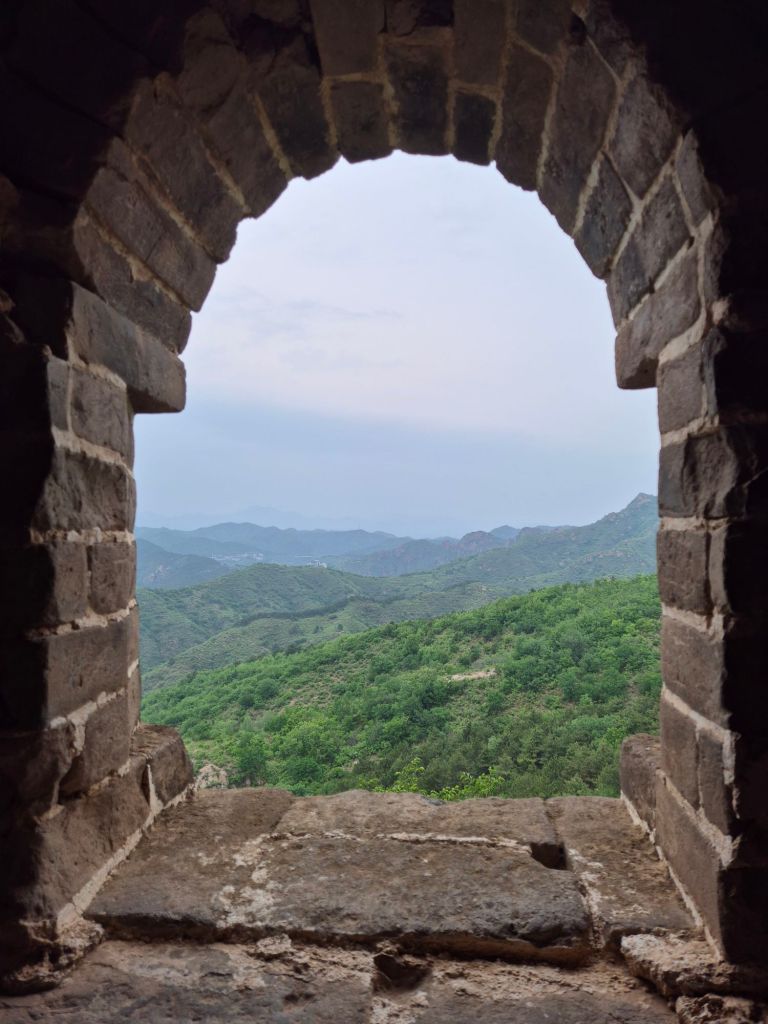
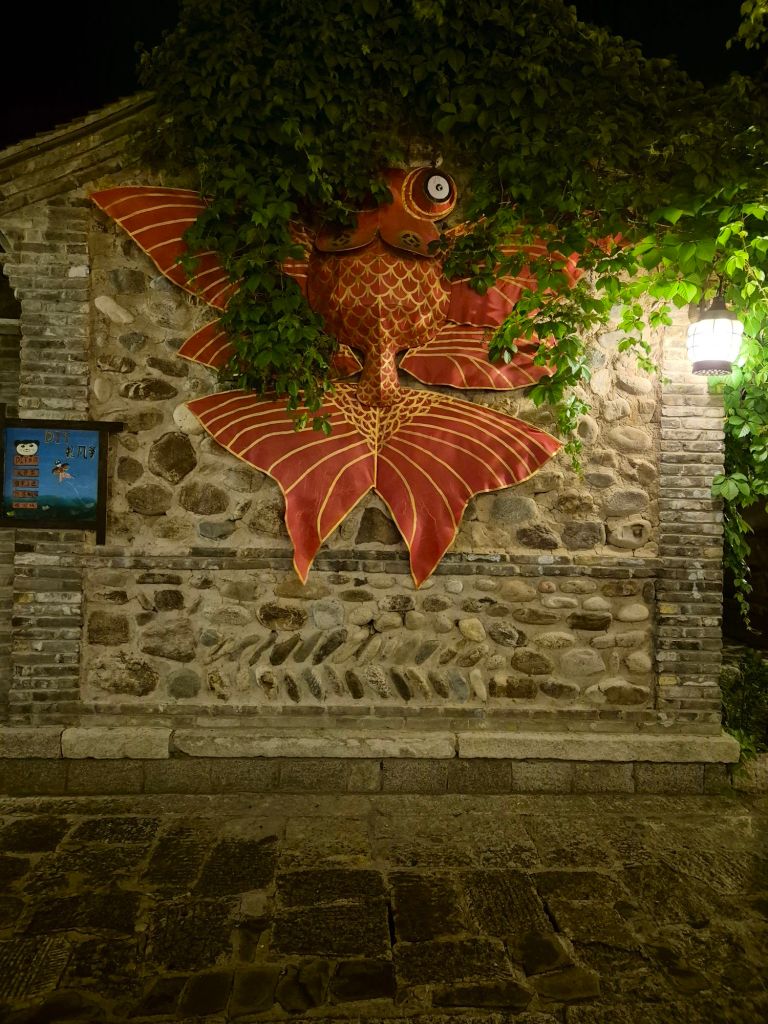
Another Great Wall kittyThis is where we started our walk and I left my friend behindWe started at #8, walked up to #10, down to #1 and back to #5 to exitView from cable carYou can see how much of the sides have worn down in some sectionsInside a repaired watchtowerSome sections were quite worn down and unrepaired. It was amazing to see the original structure.Before the many back up steps upIt just went on and on. The 35 watchtowers average 150m apart in the Simitai sectionSome giant as fish seen from the bottom towerThe wall broke off and this was where we could get to. Earning my beer tokens. Or more recently, my spicy beef lunches!Kitty houses
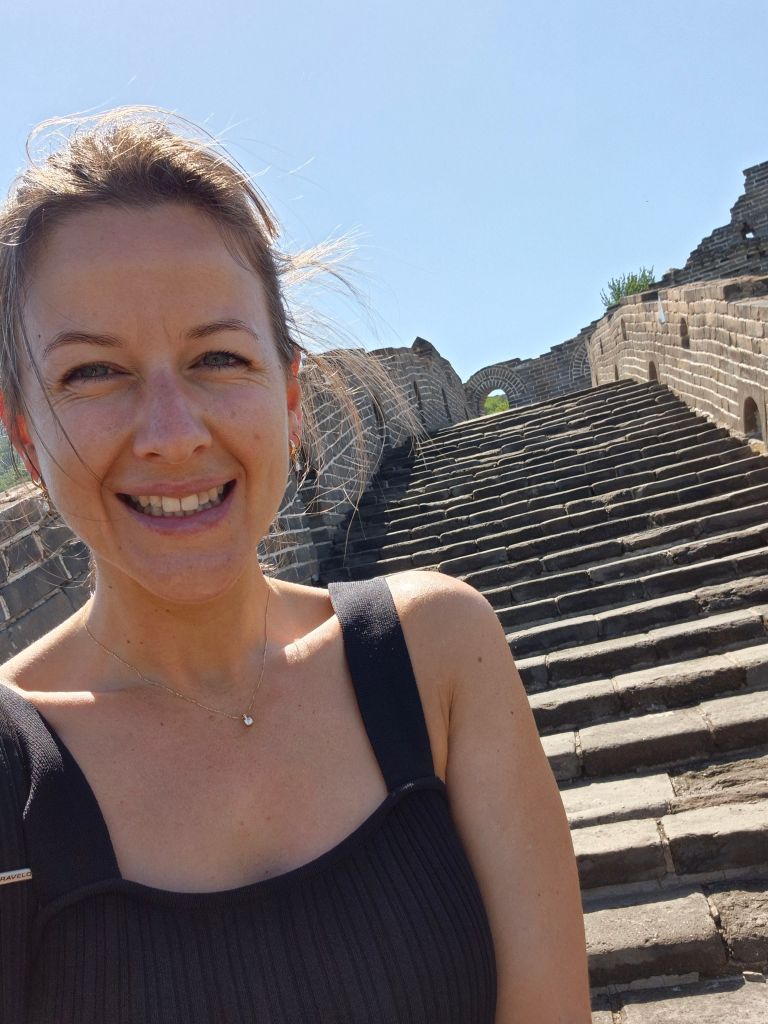
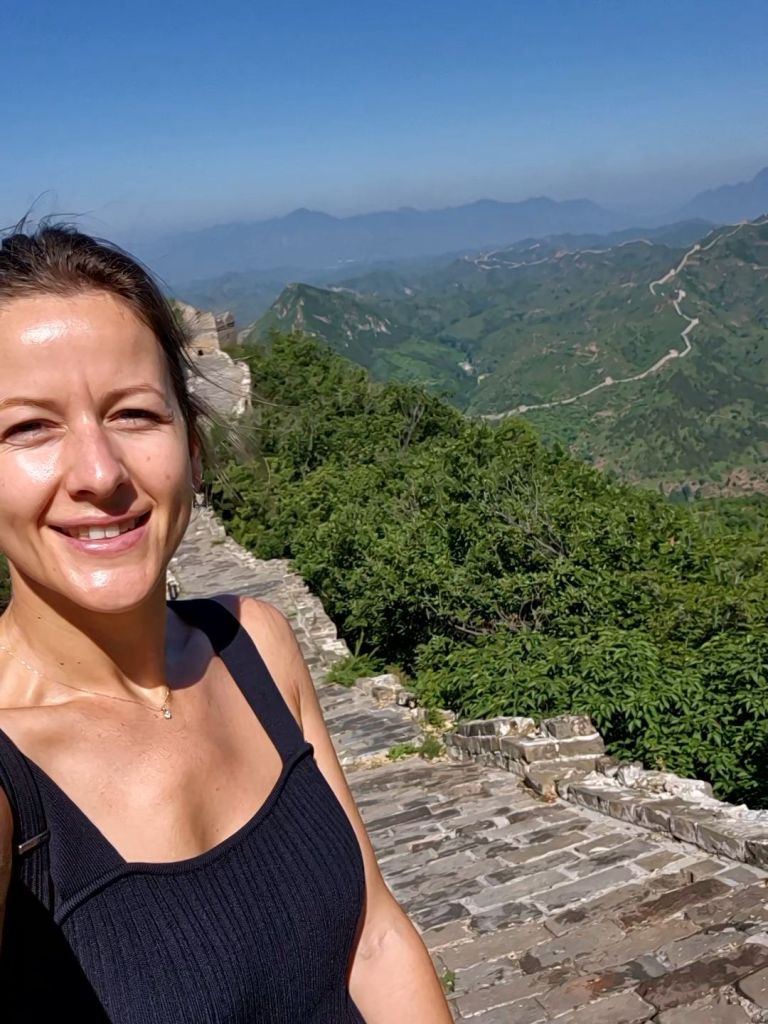
We spent some time wandering along the wall, marvelling at the sight. It was so impressive, and these photos really don’t do it justice.
It was very peaceful, though I’m sure it’d be different with tourists everywhere. How lucky were we?!
If I ever come back to China, I’d like to visit another section and walk a bit more of it.
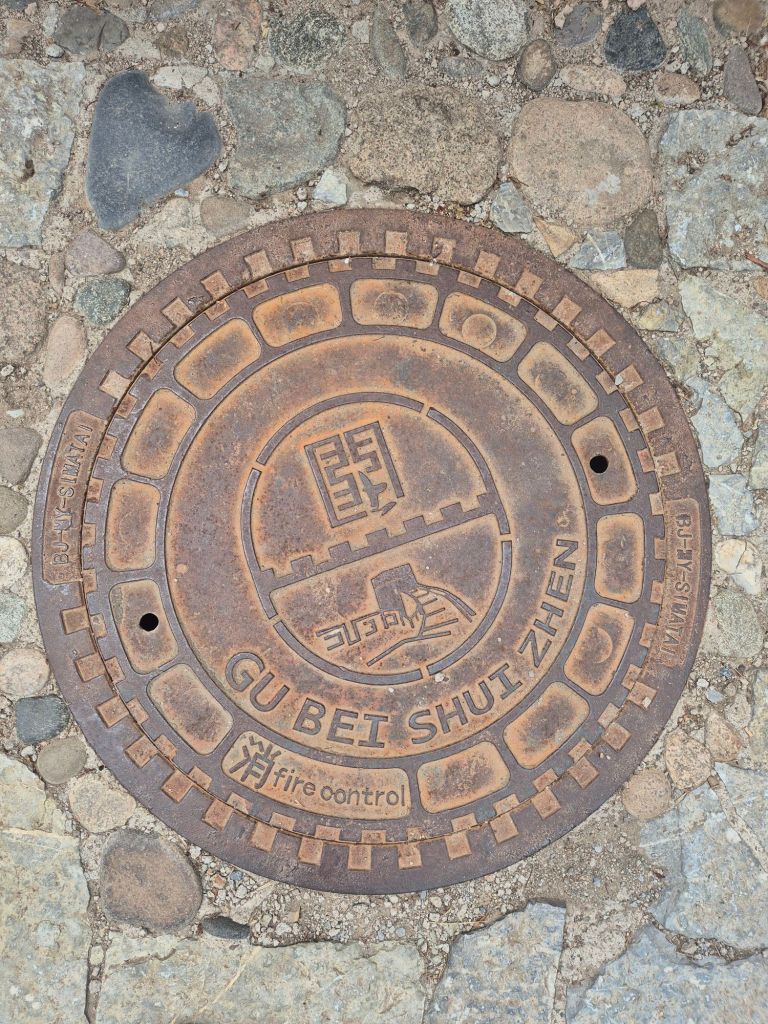
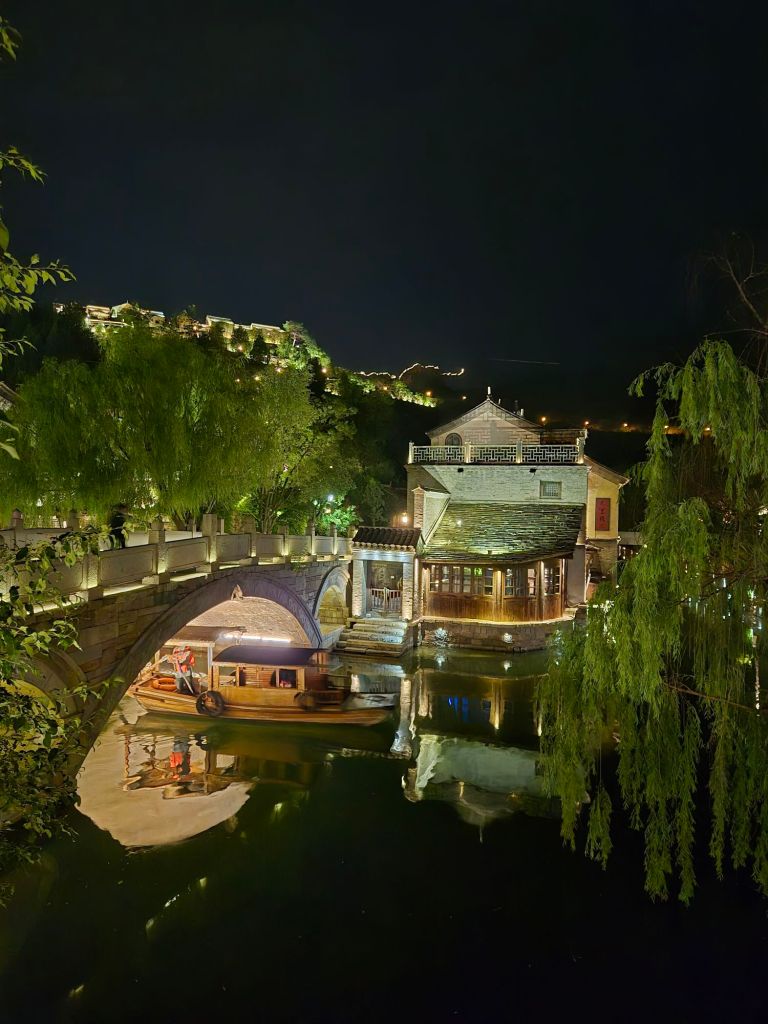
Today we drove roughly 2 hours north of Beijing city to Gubei Water Town. I don’t quite understand this town, and I feel like I am in one of those fake towns on movie sets.
I will try to explain.
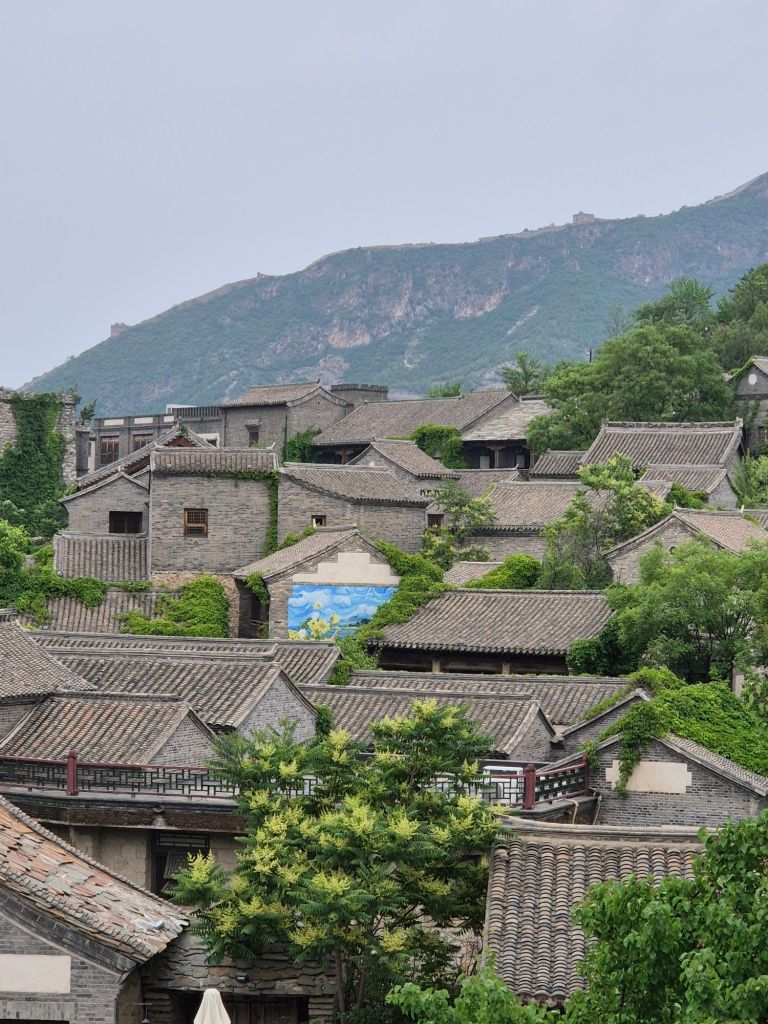
The town is built on the former 5 sub natural villages of Simatai Village and lies at the foot of the Simatai Great Wall. The Simatai village was built during the Ming Dynasty 1368 – 1644. The town is a replica of Wuzhen Water Town in Southern China and is used for tourism and a base for getting to the Simatai Great Wall.
We were dropped off at the edge of the Town and took a small shuttle into the Town centre. We then “checked in” and were shuttled again to nearby our hotel. There are no vehicles allowed in the Town.
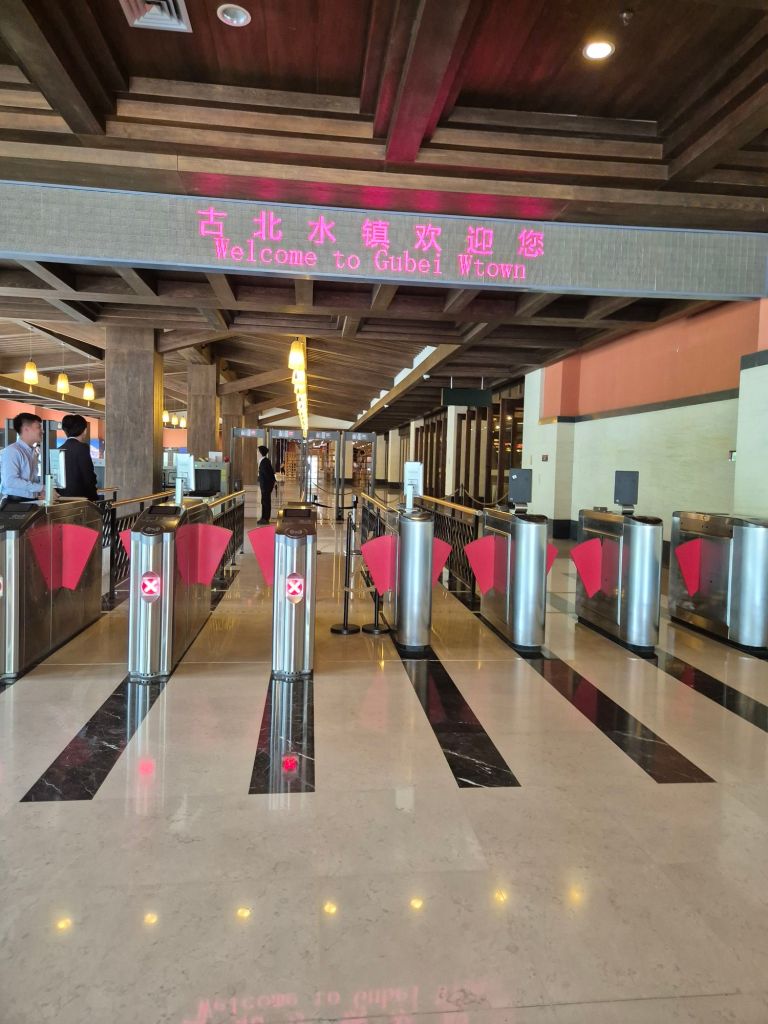
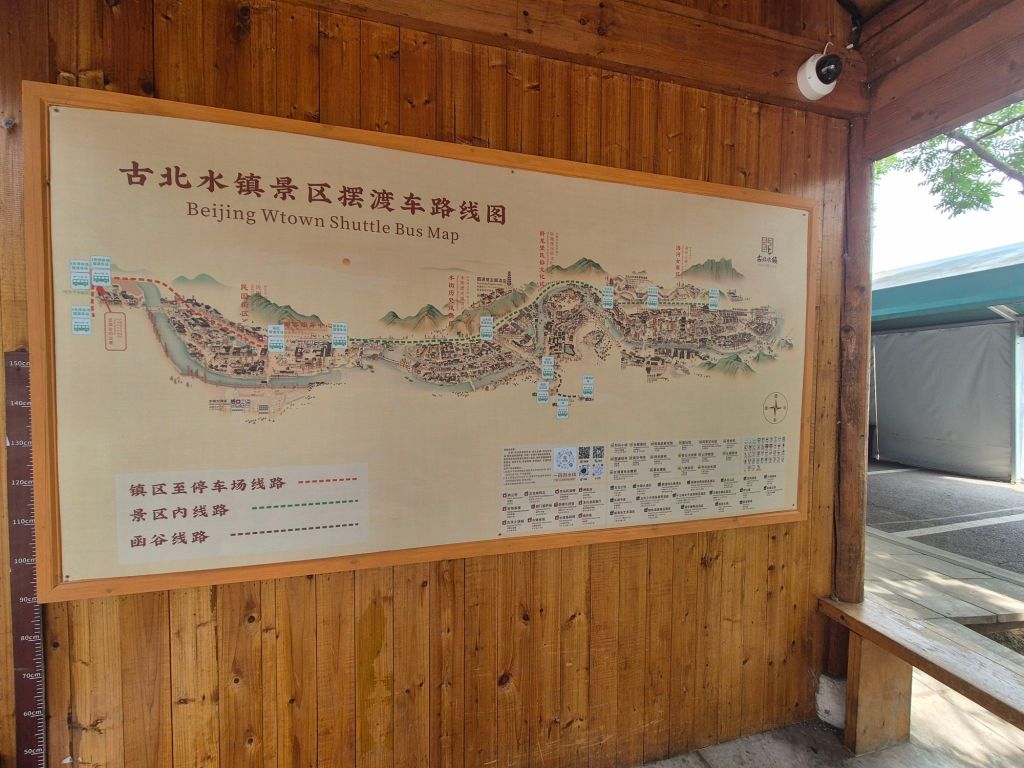
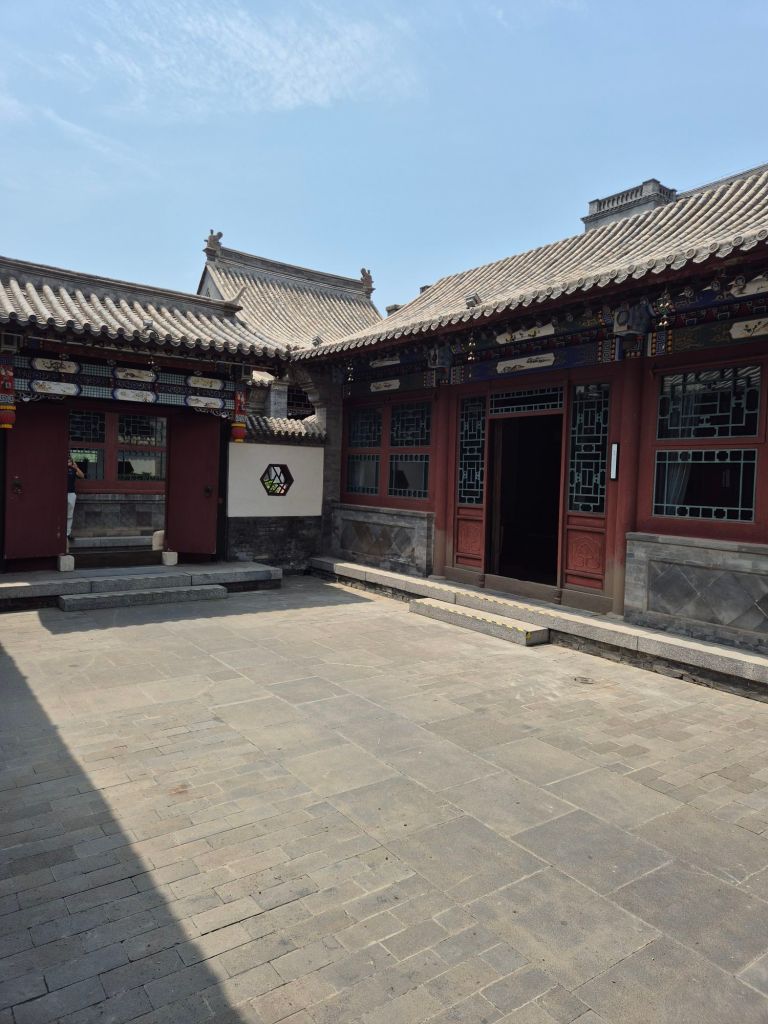
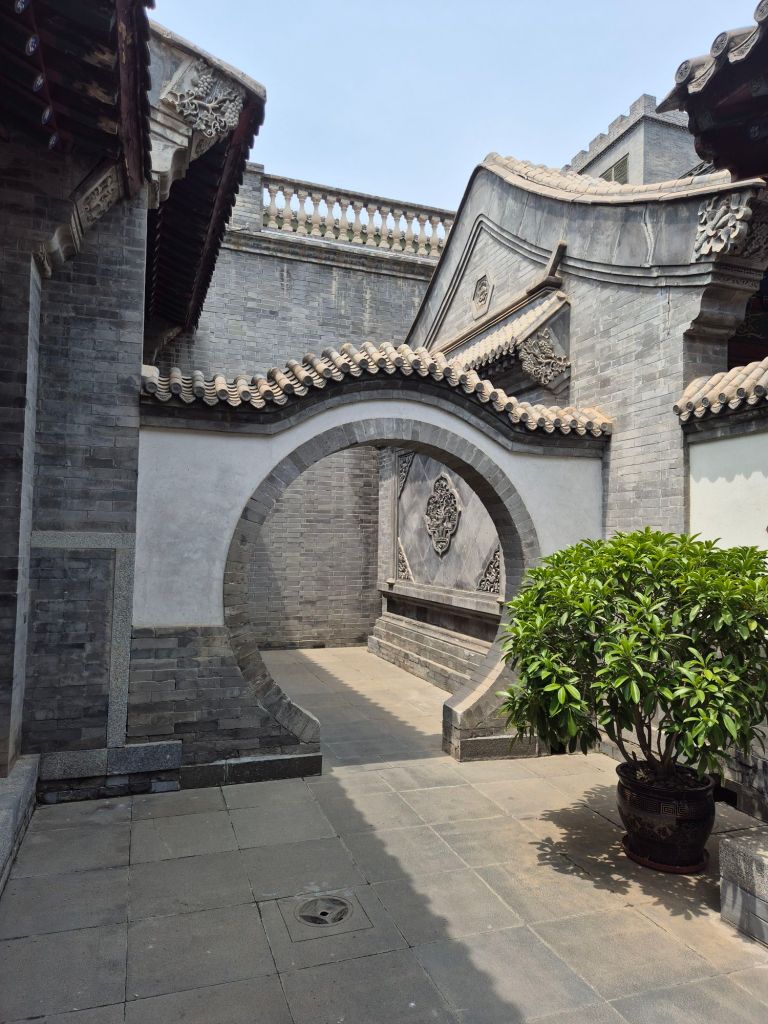
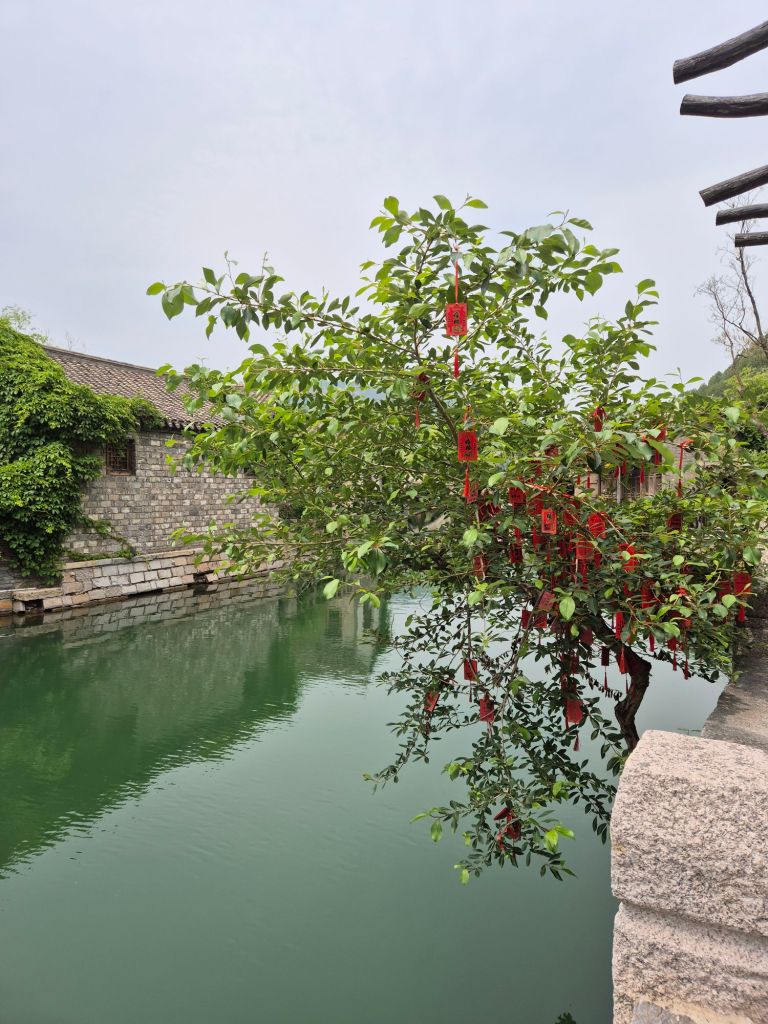
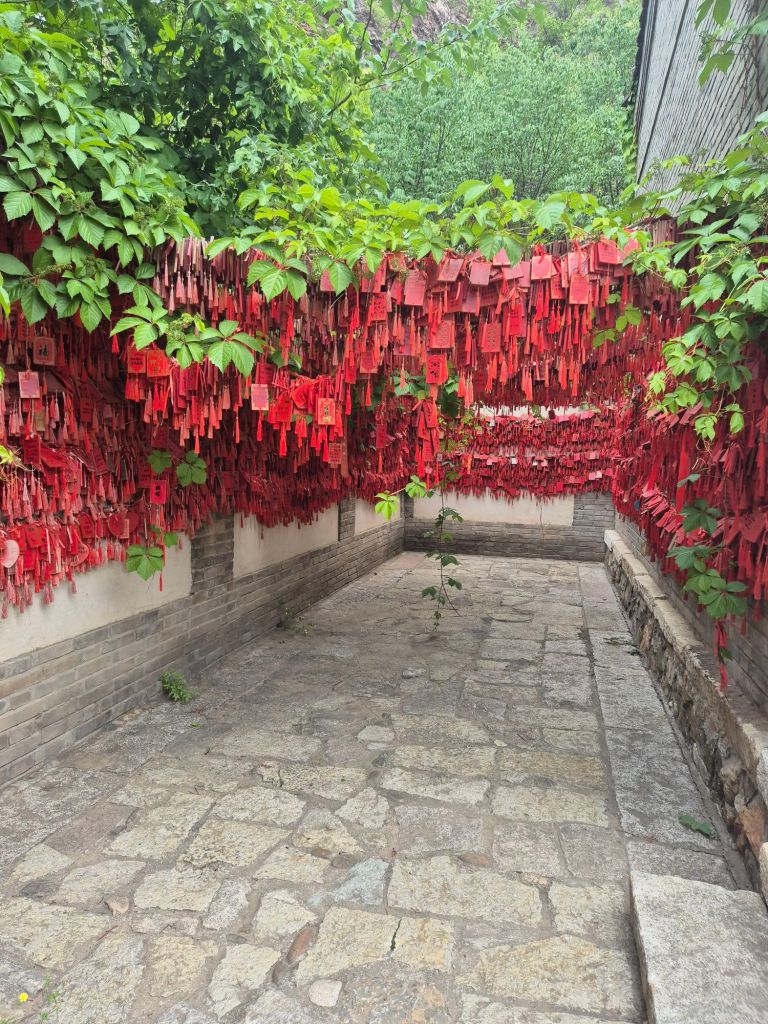
Had to go through security to get in. It was relatively loose security. Getting carted off to our hotelThe town map, it’s actually a massive maze that seems to go on forever Outside hotelHotel foyerHotel entranceVery spacious room for the nightHotel courtyardKittyThese were red wooden squares where you could write words of love and leave here for reasons unknown to me.A lover’s bridge of sortsWe visited a shrine where I was told I could pray for a good husband. I got distracted by this cutie instead.The Great Wall could be seen from my bedroom balcony
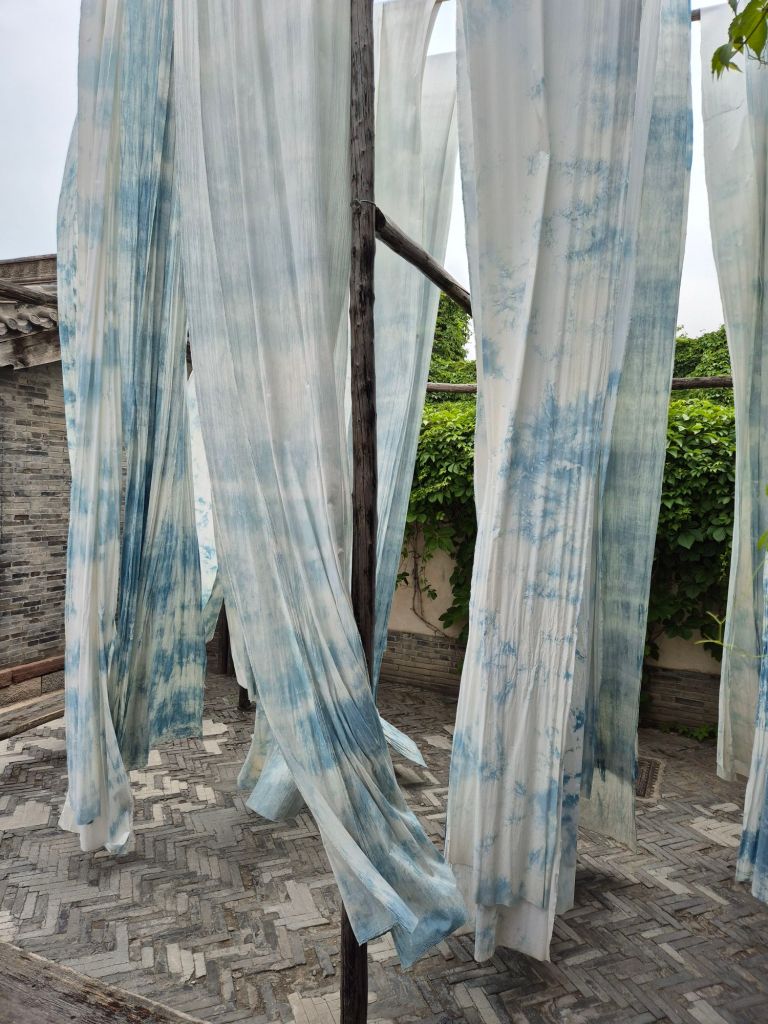
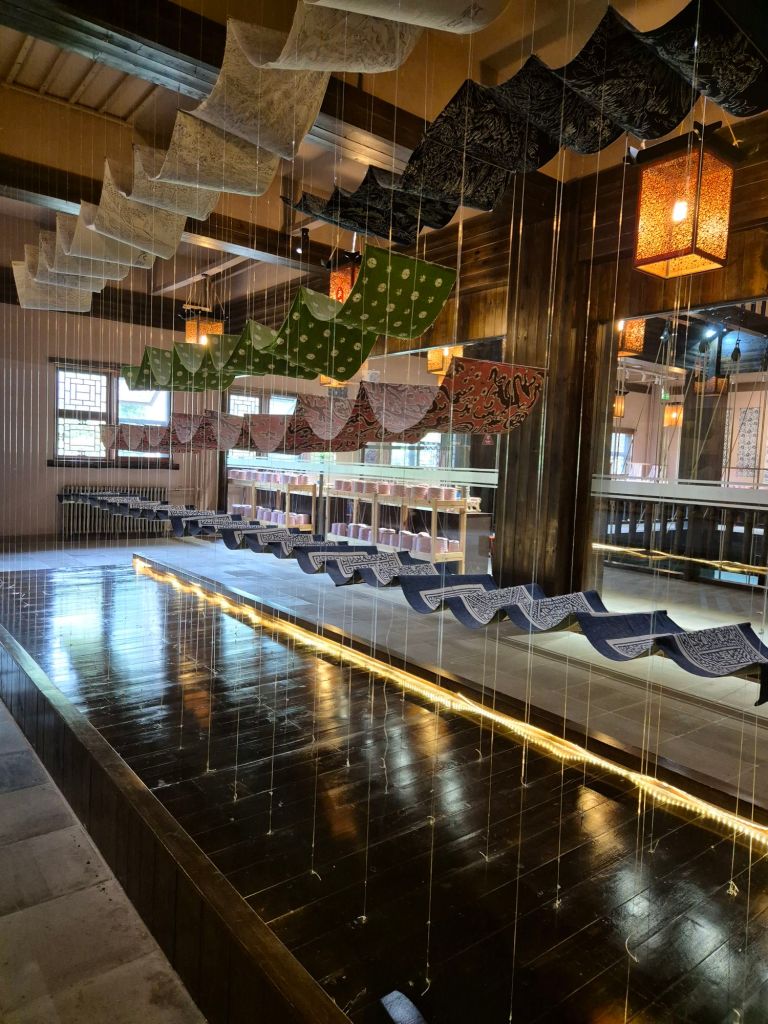
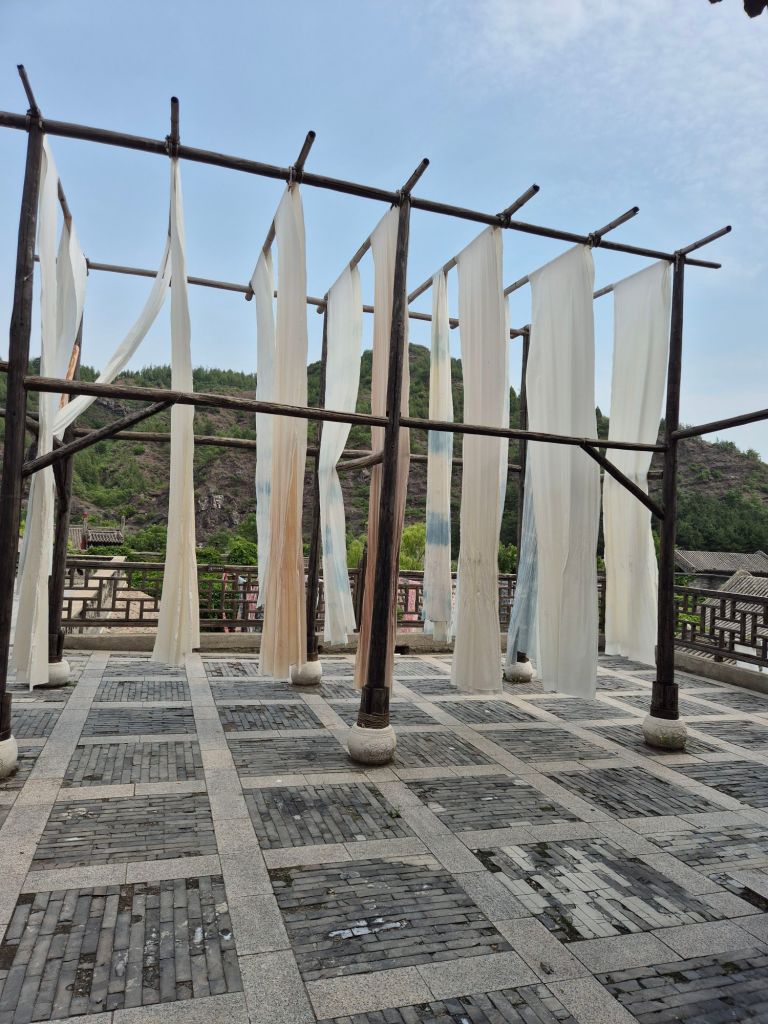
The town is made up of shops, restaurants and displays of old trades like silk dyeing and distilleries and crafts like hair combs, calligraphy and fan making. You could pay to do any of them and there was plenty of variety. There is very little English spoken here which surprised me. Even people in their 20s had very little or no English. We were grateful for our guide when it came to ordering a fish free lunch.
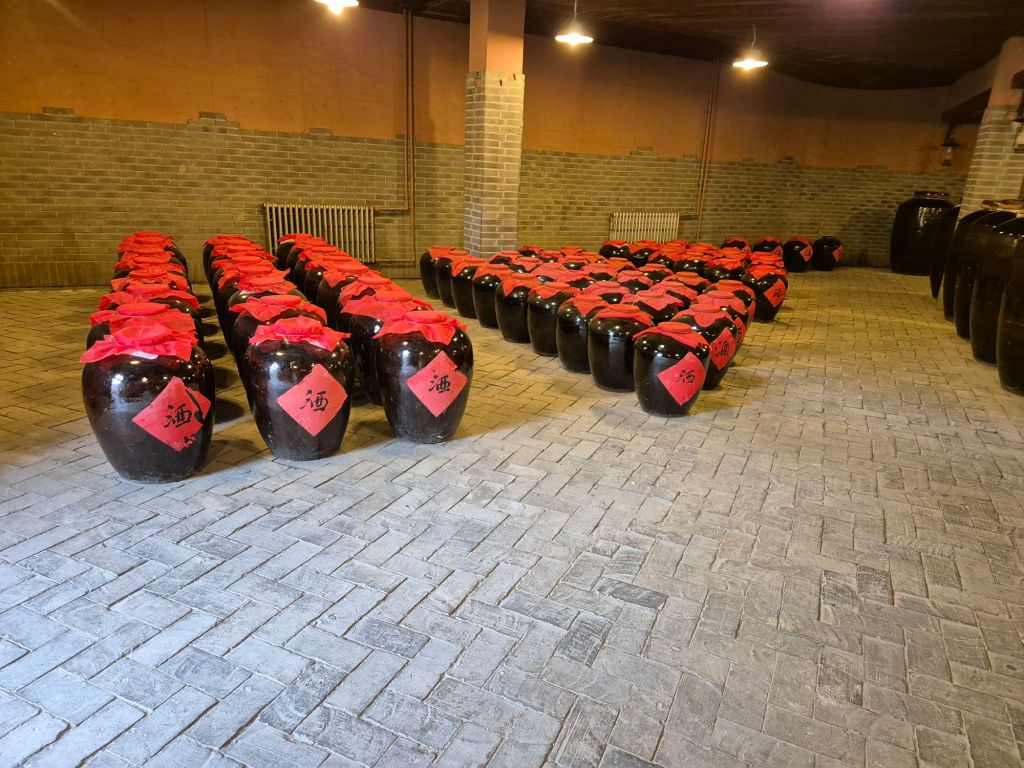
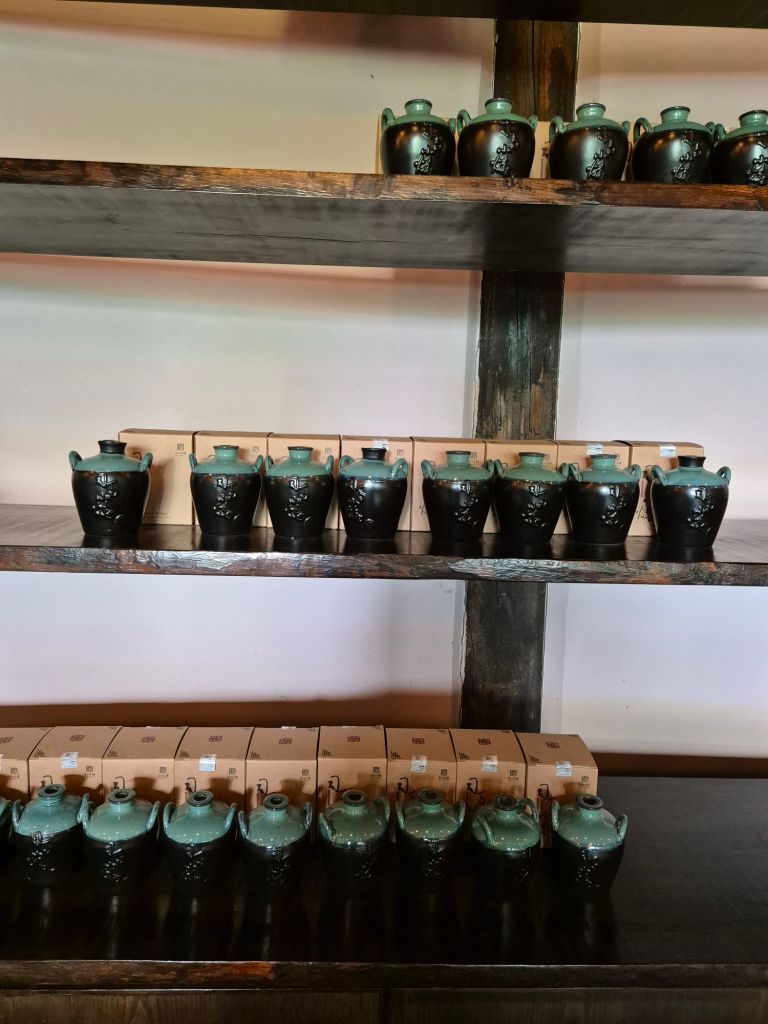
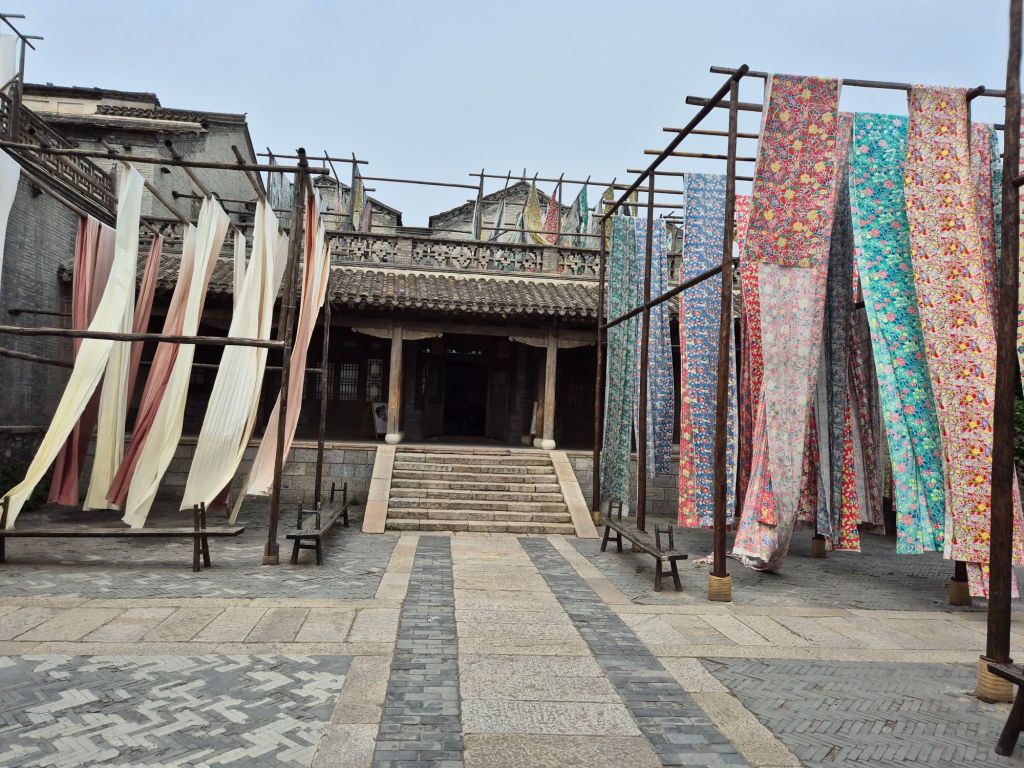
Dyed cotton dryingThe dyes for the fabricsDistilled liquor The materials hanging to dry after being dyed looked beautiful blowing in the wind.
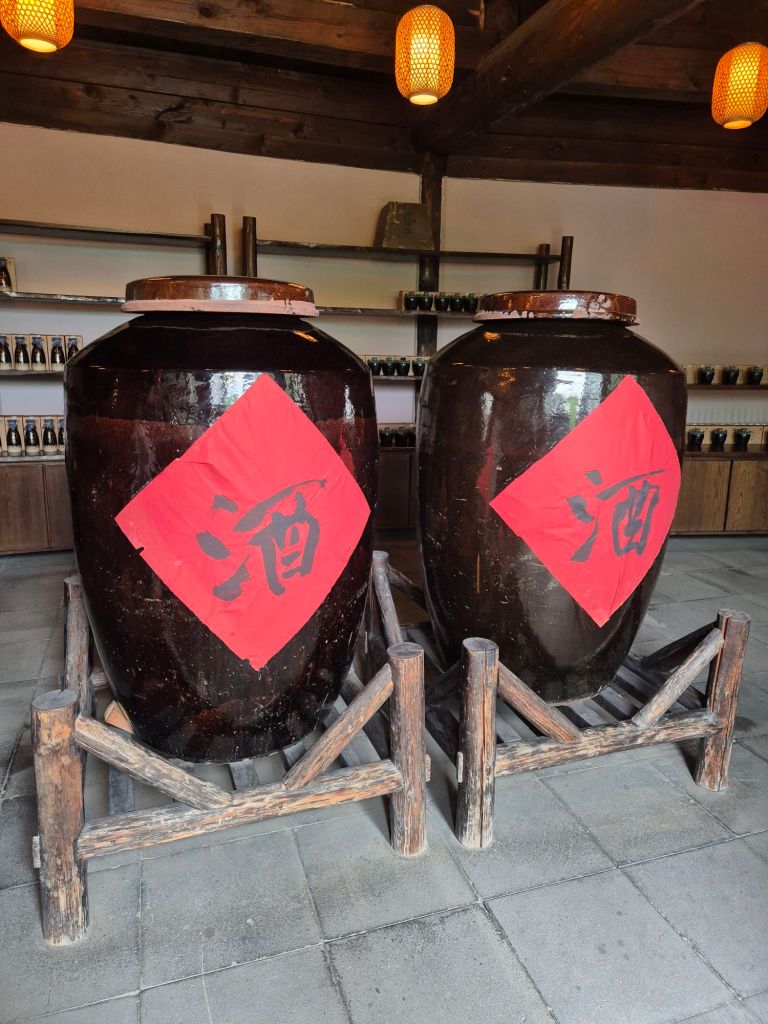
Part of our package was a distillery tour and fabric dyeing. Our “tour” through the distillery consisted of a walkabout in the basement to see some grain fermenting followed by a wander past some big ass jars. No idea what they were making or how they got there so no education for you. Next, we tried our hand at fabric dyeing. Really, it was just chucking a stencil over some cloth and painting over it. Regardless, my panda is cute so it’ll be coming home with me.
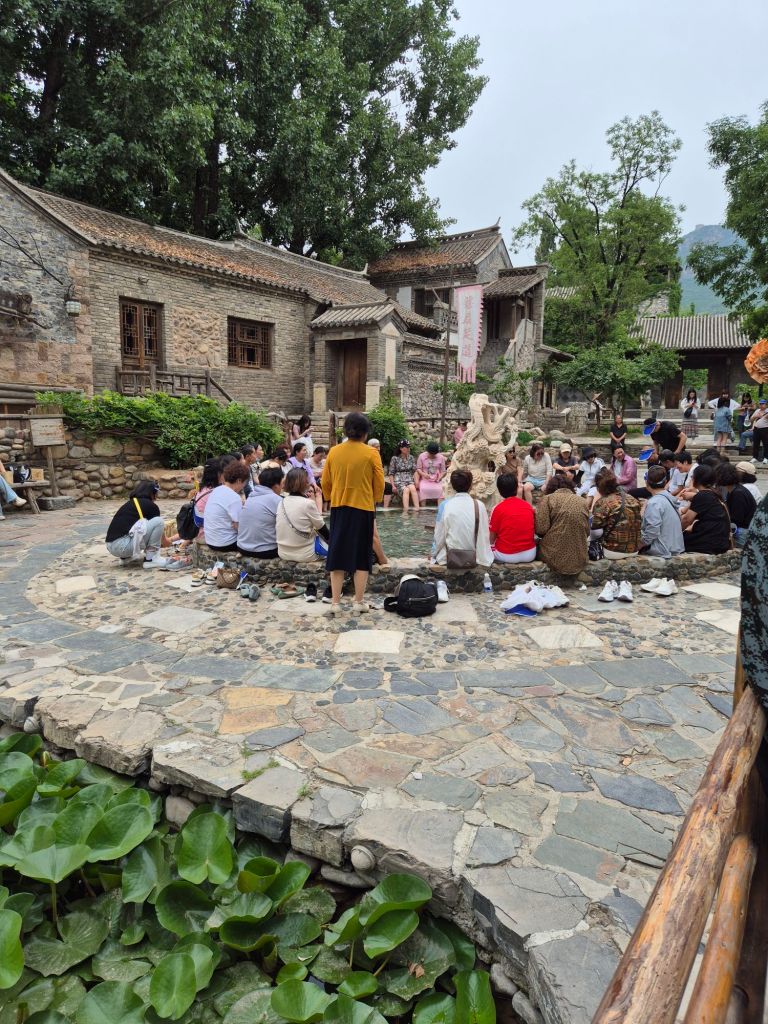
And this is my picture. Just could not get over how amazing it was to see the wall right thereA healing spring. Everyone had their feet in it. No thank you. Surprise cookies from the hotel delivered to my room at 5pm
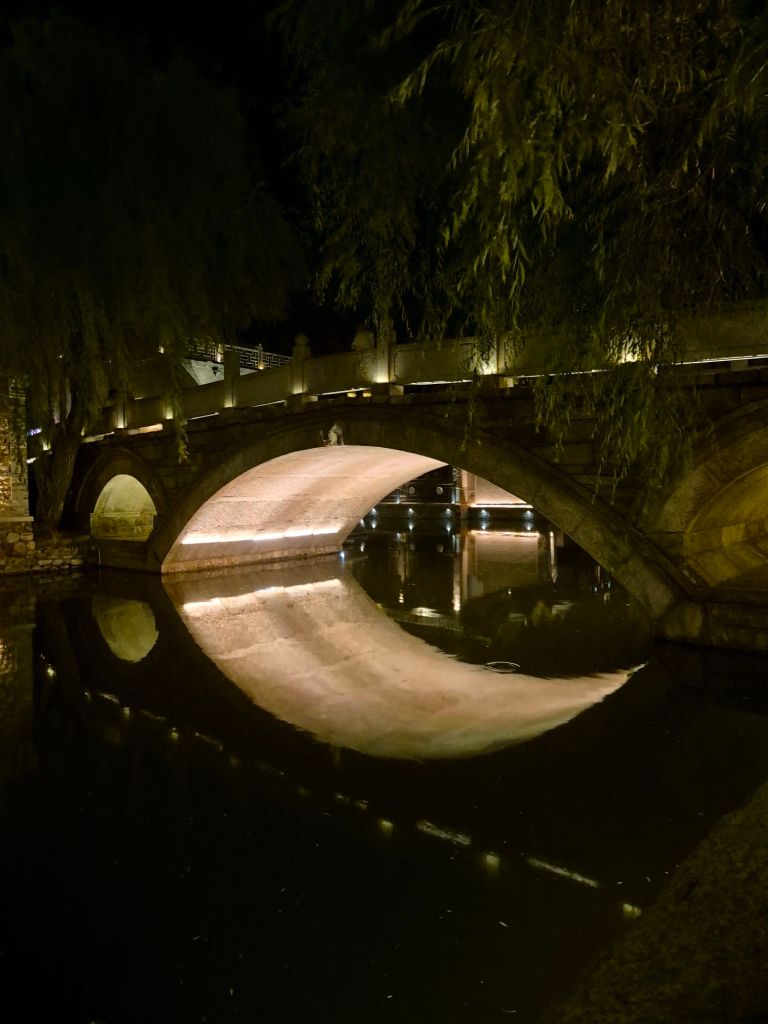
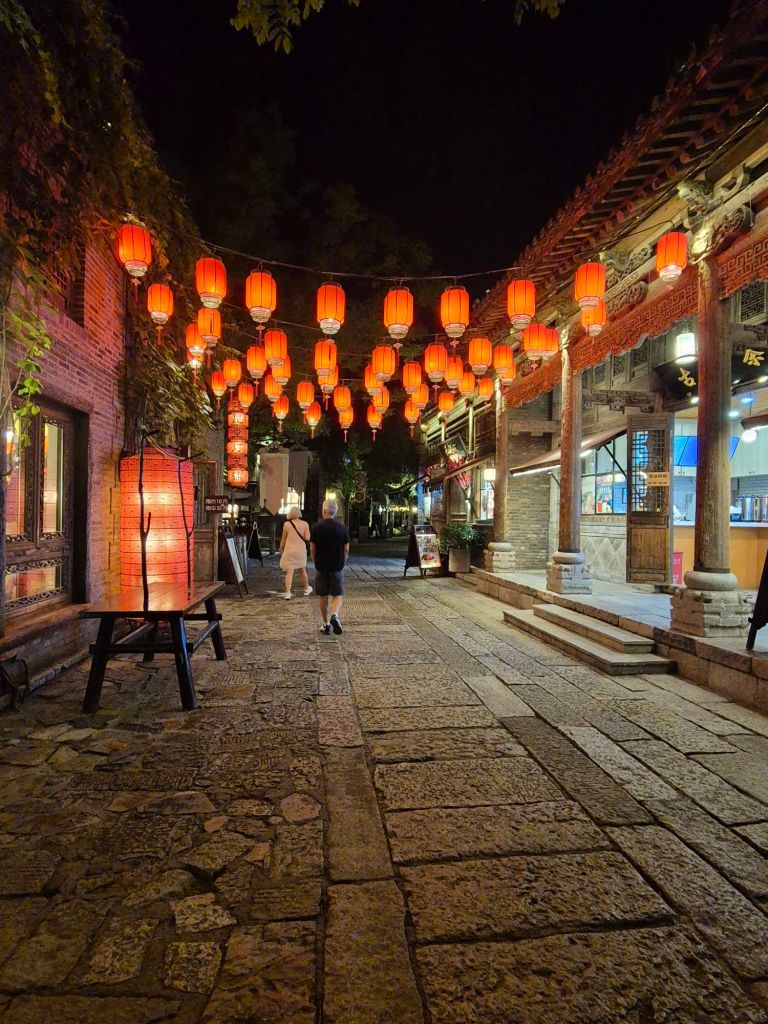
Wandering around the town was bizarre and we just kept discovering new pockets of peculiarities. Mostly because there were very few people around and we couldn’t understand where we were. Beautiful though and very interesting.
I will continue to avoid the top option as much as possible.
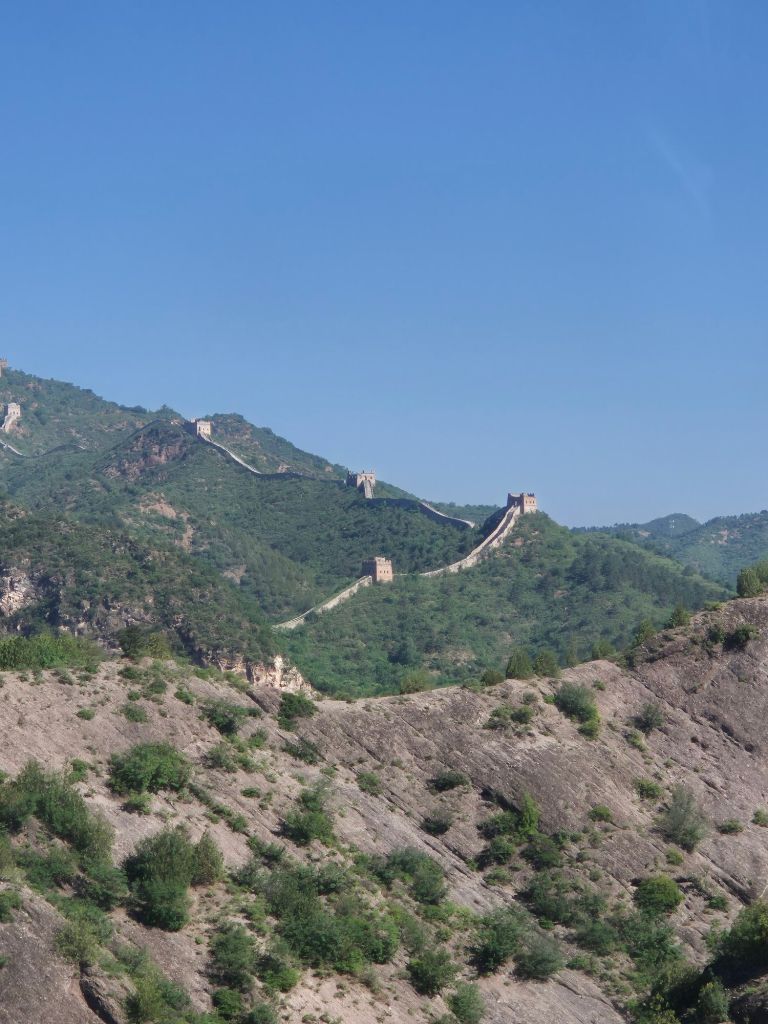
In the evening, we took a cable car up to Simatai Great Wall. I did have to look up why the wall was actually built because it is rather odd. To protect the Chinese Empire from foreign invaders, act as a psychological barrier between northern and southern civilizations, and protect the Silk Road Trade. It was rarely used during war because of the cost of staffing the many many stations. The wall is 21,0000km long! Originally made mostly of stone or by stamping earth and gravel between board frames and later, brick and stone were used. It’s so impressive how it still stands, though much of it has been repaired.
The Simatai section is only 5.4km and was built during the Northern Qi dynasty (550–577). It holds access to Gubeikou, a strategic pass in the eastern part of the Great Wall. This section has 35 beacon towers and is separated into eastern and western parts. The western part is gently sloped with 20 well-preserved watchtowers along the wall. The eastern part is much steeper and includes cliff edges and kilometre-high peaks. Only 10 towers are open to the public due to safety reasons and only two are open at night.
Get ready for many wall photos.
View from the cable carOne of the towersAs the lights started coming onThe Wall at nightYou can see the wall in the distance. Obviously way more impressive in real life, photos really didn’t do it justice
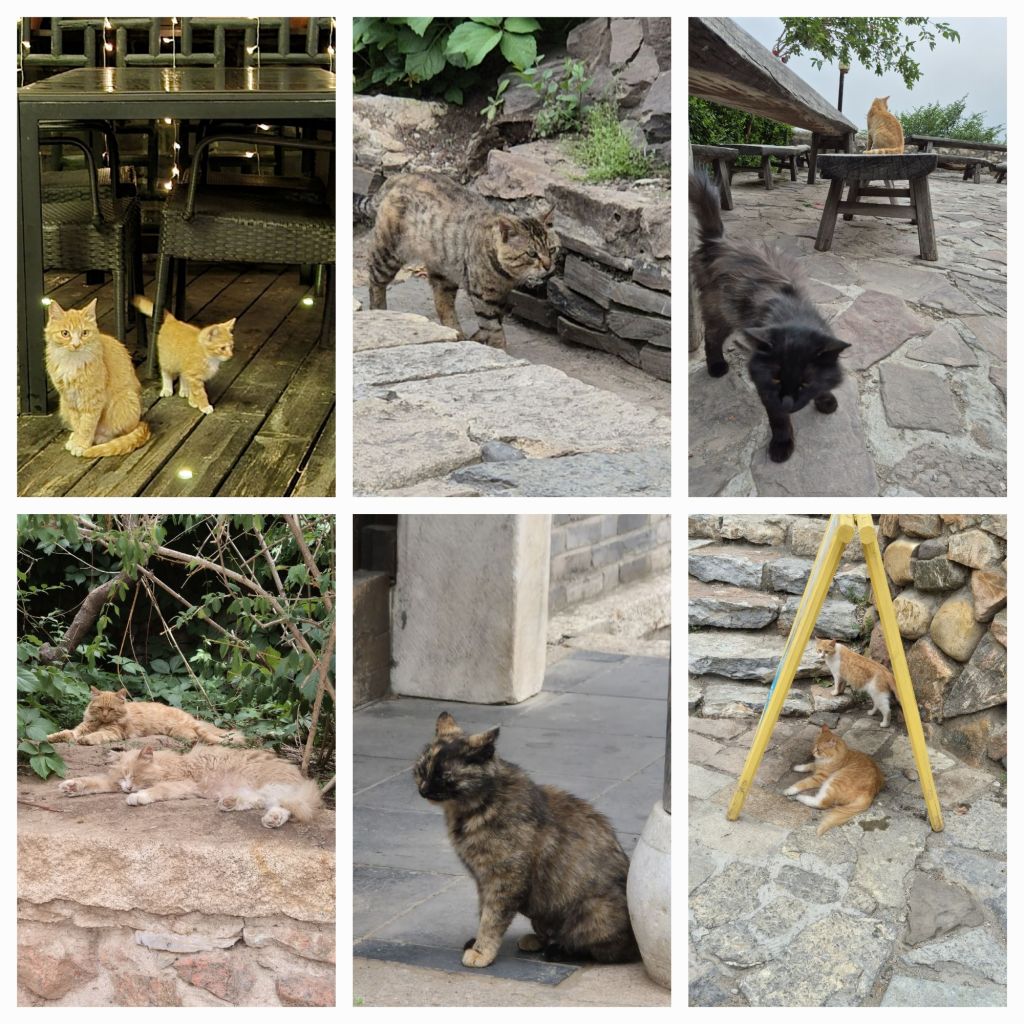
After our time on the wall we wandered around the town for a while looking for wine and snacks. The town really is beautiful AND appears to be home to a bazillion cats. Or at least, many cats and kittens. Some let me pat them and I’m very happy.
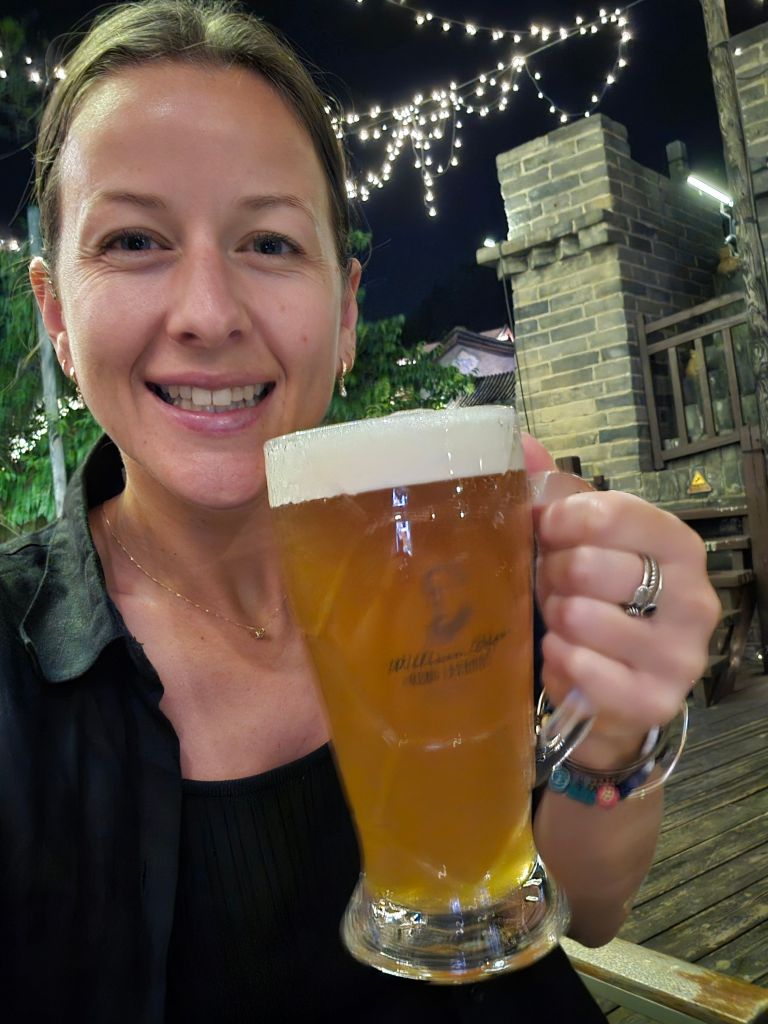
Just a small collection of kitties met todayTrying the local AleWandering at nightKitty house
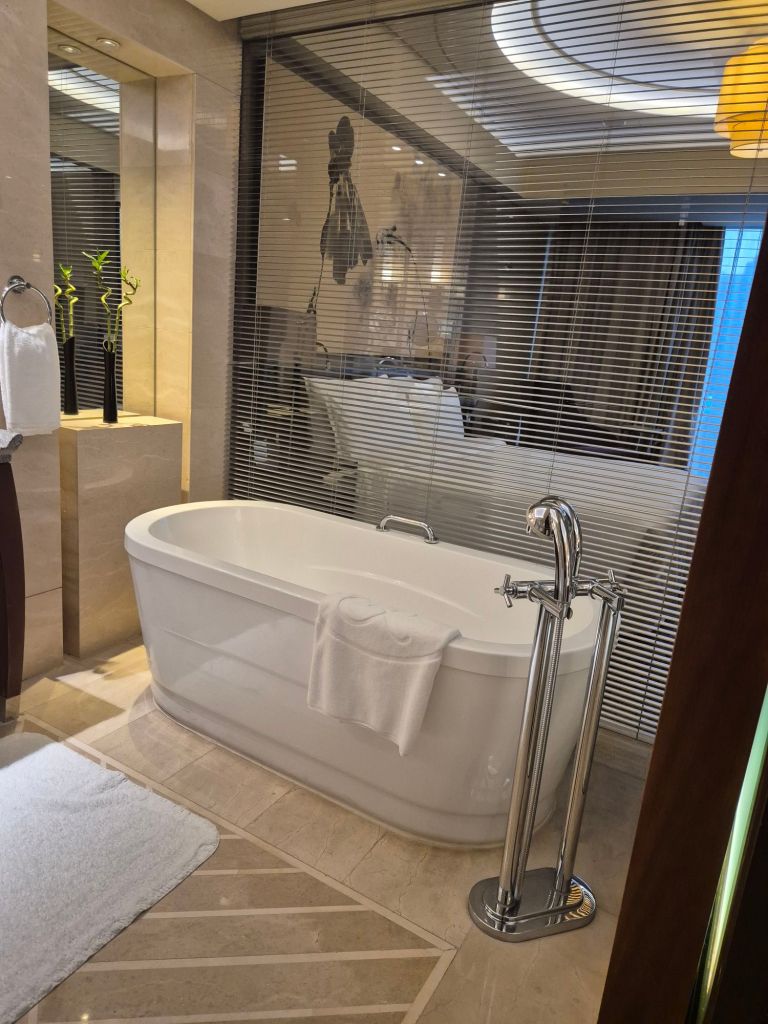
I’ve been loving the baths and robes at these fancy hotels, so that is how I chose to end my evening today. Perfect.
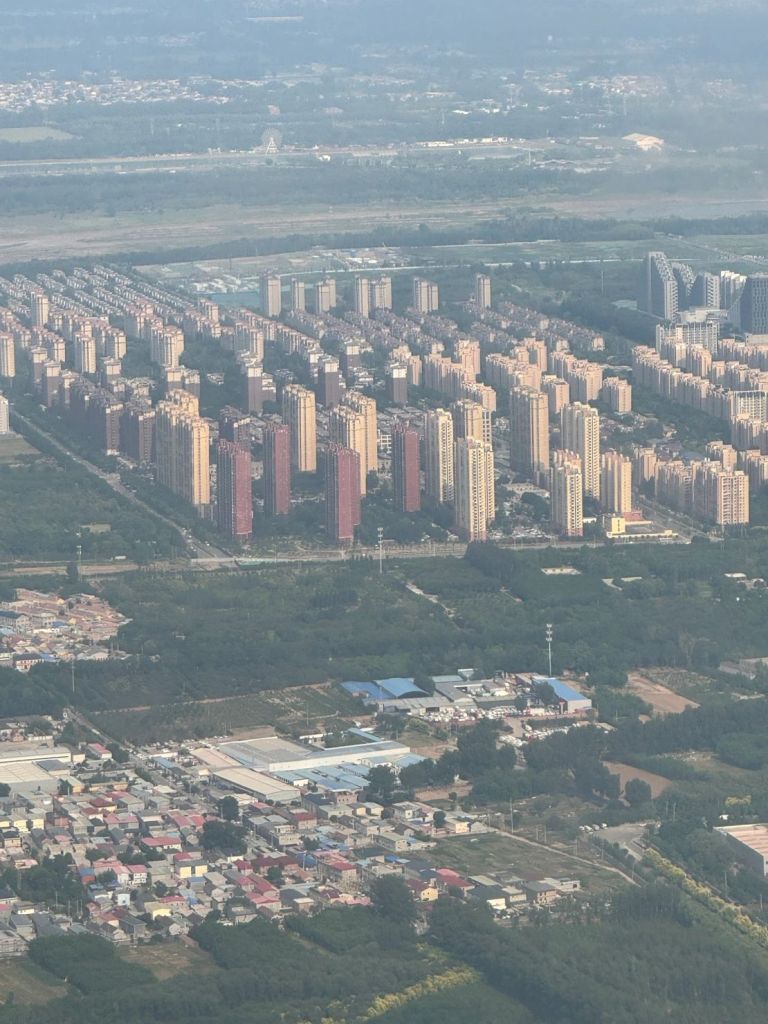
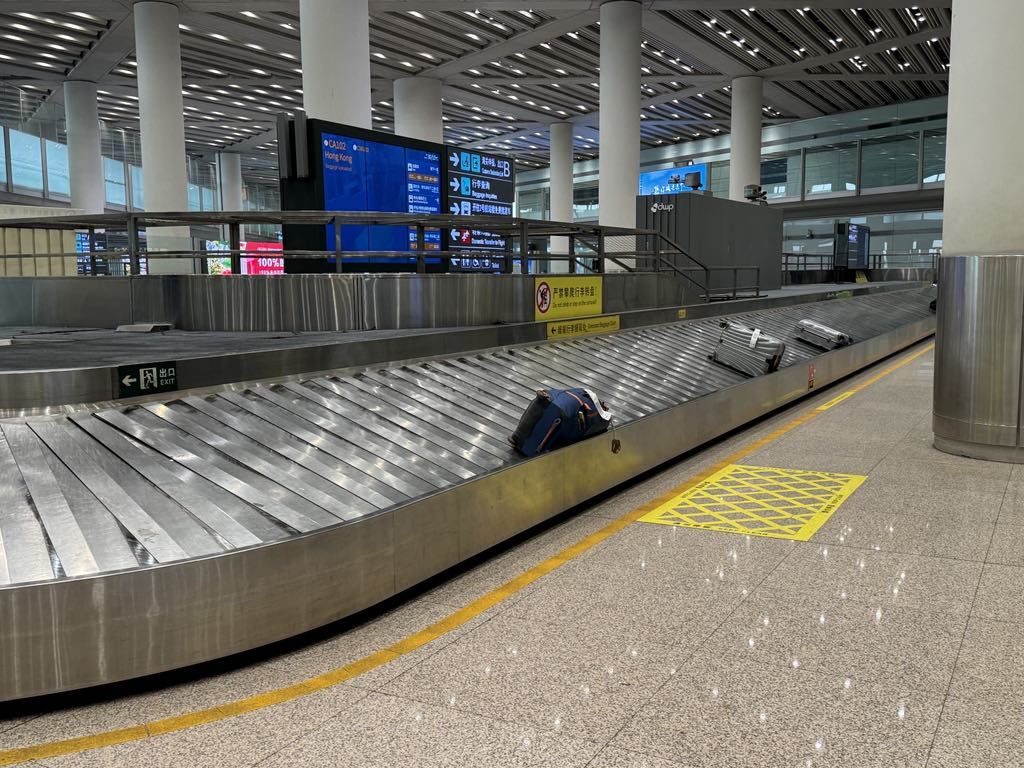
Flying into BeijingLast three bags on the carousel two hours after landing.
Our flight was more or less continuously turbulent, which meant 3 hours of occasionally wondering if today my time was up. Luckily, it was not my time up, and we landed safely in Beijing. A rather long and tedious trek through customs, two hours later, we were met by our local guide for the next few days, Suzanne.
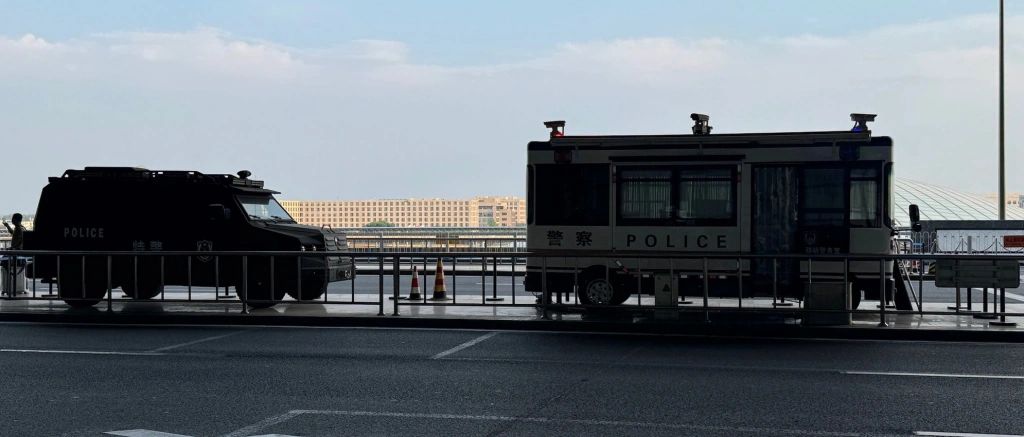
Police presence evident as soon as we landed
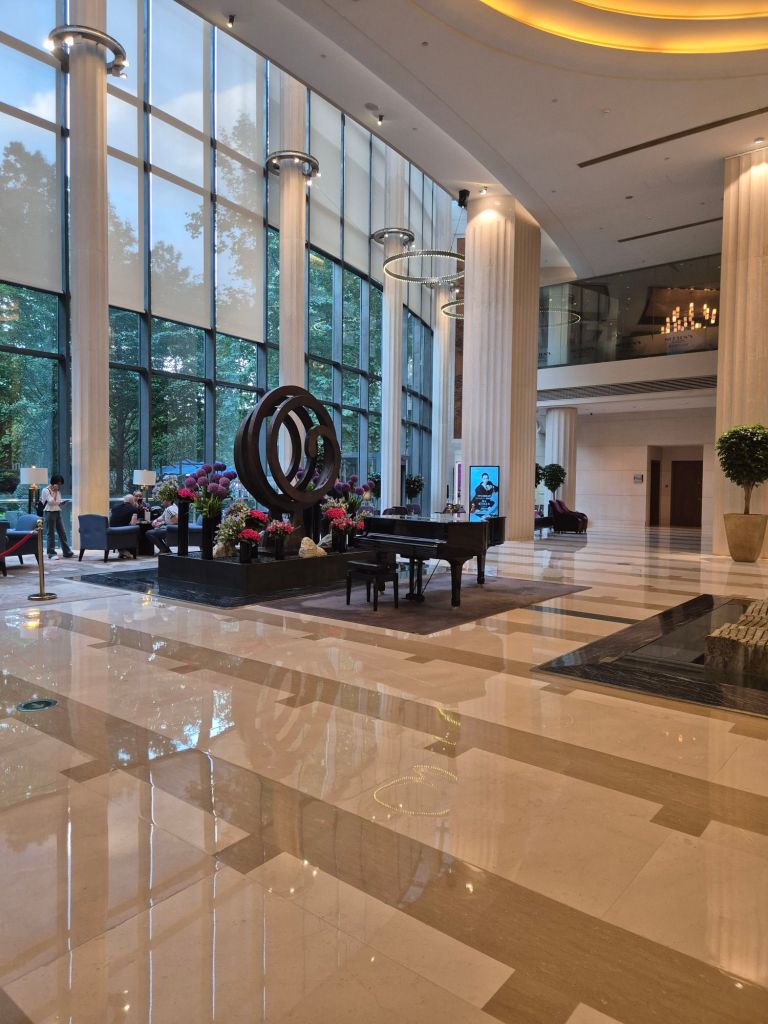
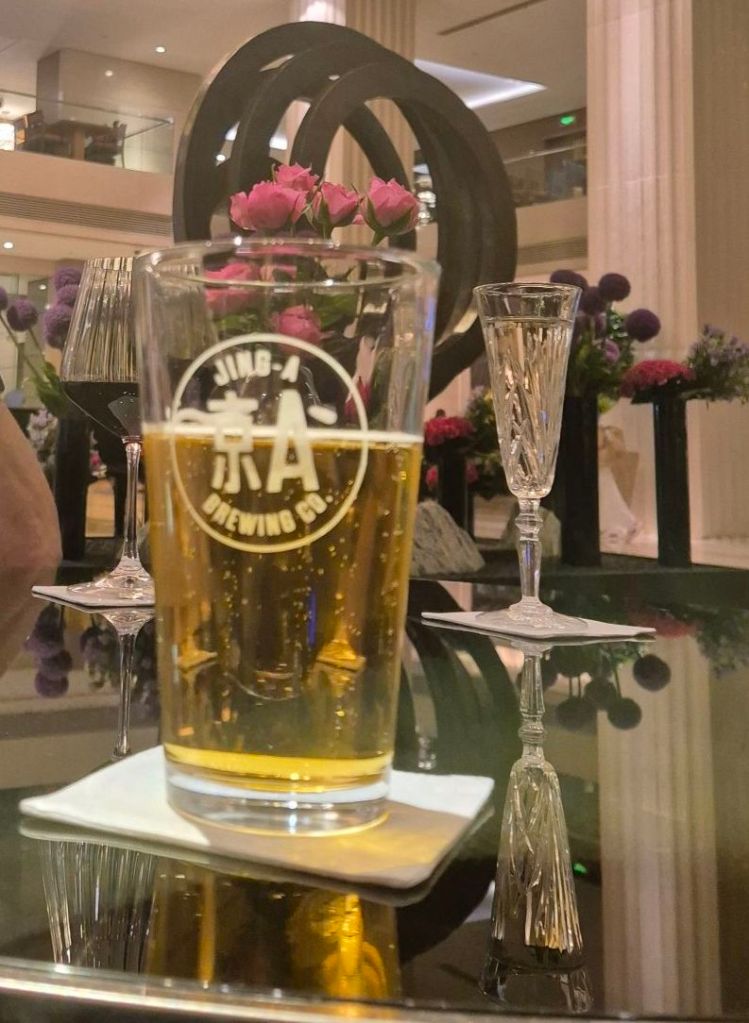
We arrived at the hotel around 7pm and were all a bit zonked from the day, so we had some nibbles and vinos in the hotel bar. I tried a popular Chinese beer, Tsing Tao, which was apparently brewed to resemble a German pale lager. Our hotel is stunning and we feel very lucky, and a little bit fancy, to stay here.
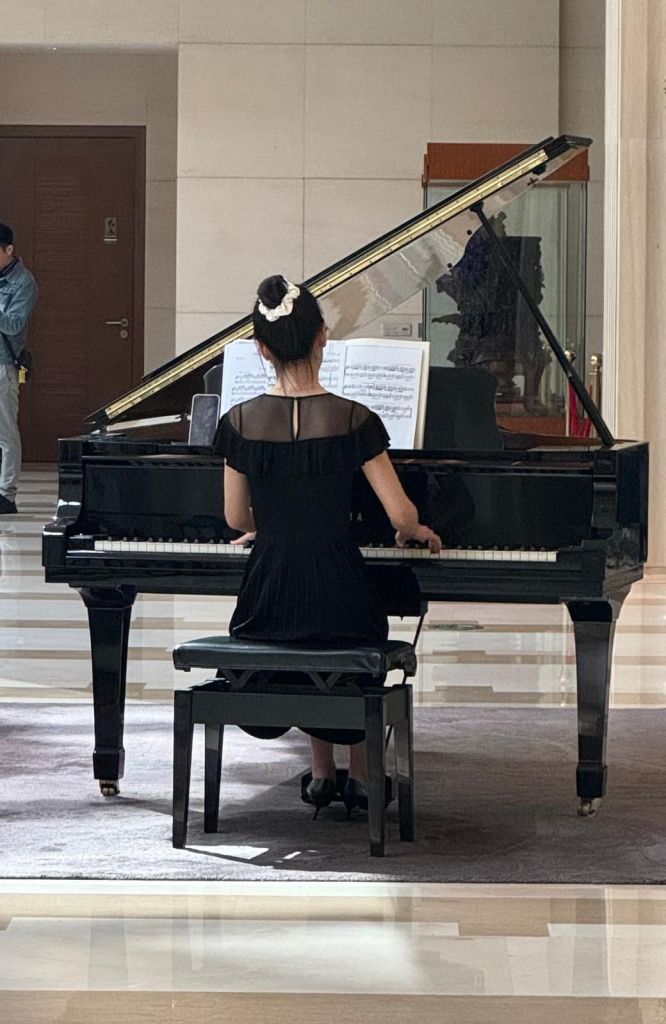
Tsing Tao. It wasn’t very good but also not that bad.A pianist at our hotel
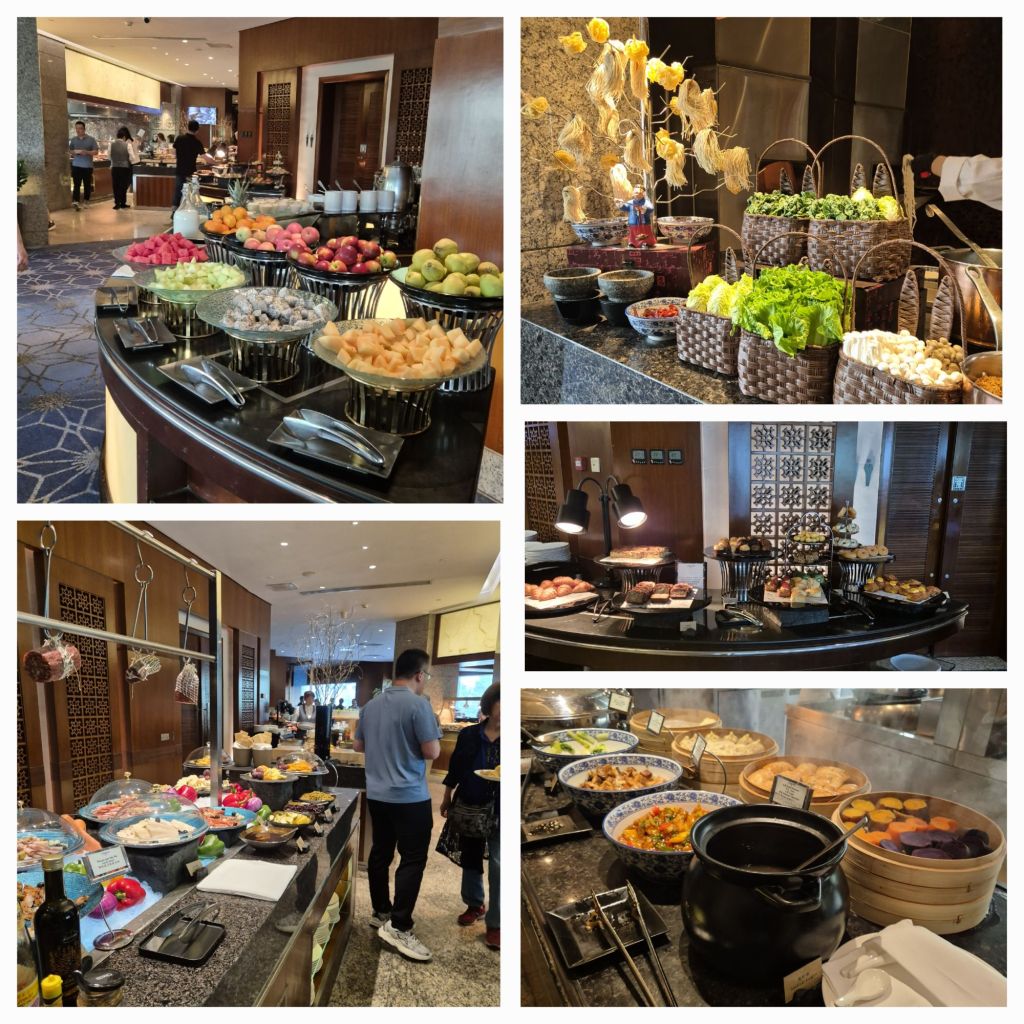
The next morning began with the most incredible hotel breakfast I’ve ever experienced. I sneakily tried to take photos but failed, so the below really doesn’t capture it. It wasn’t until after we’d booked and paid that we realised breakfast was $65 per person! I don’t think I could ever eat enough to make that pay off.
But I did try.
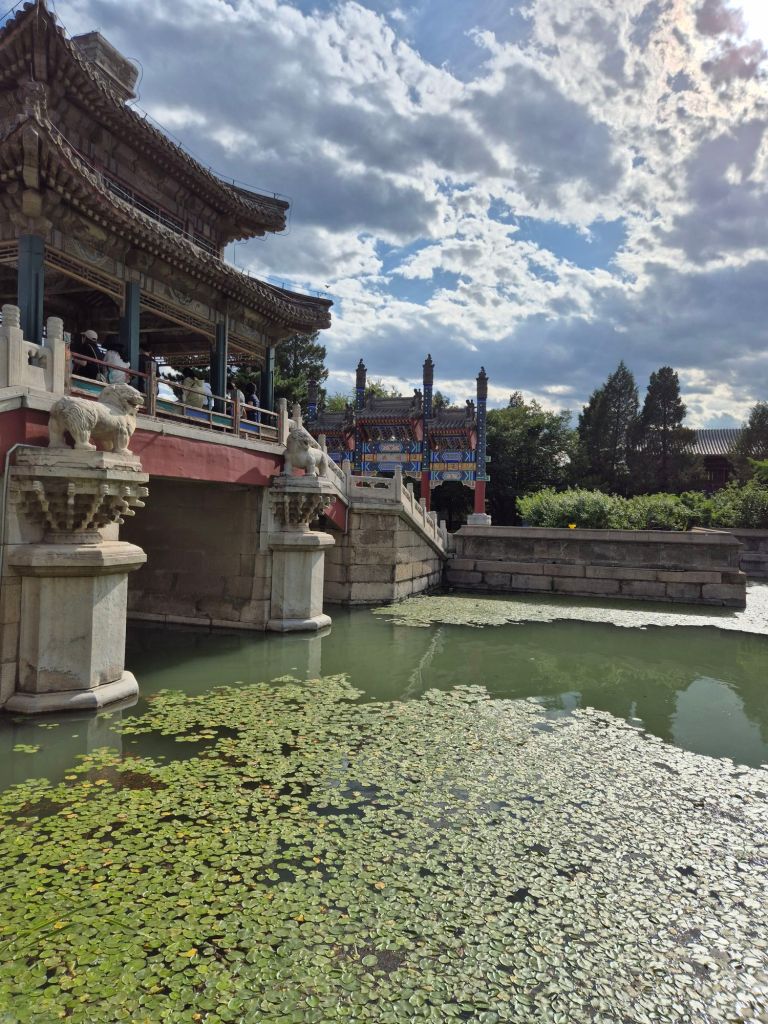
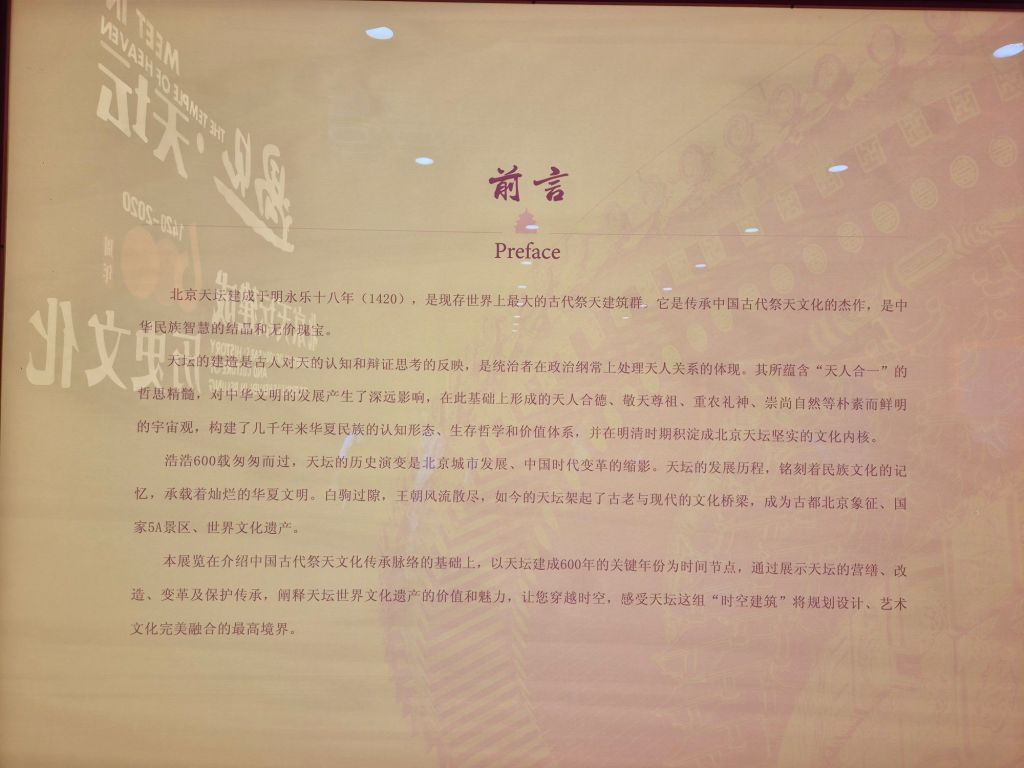
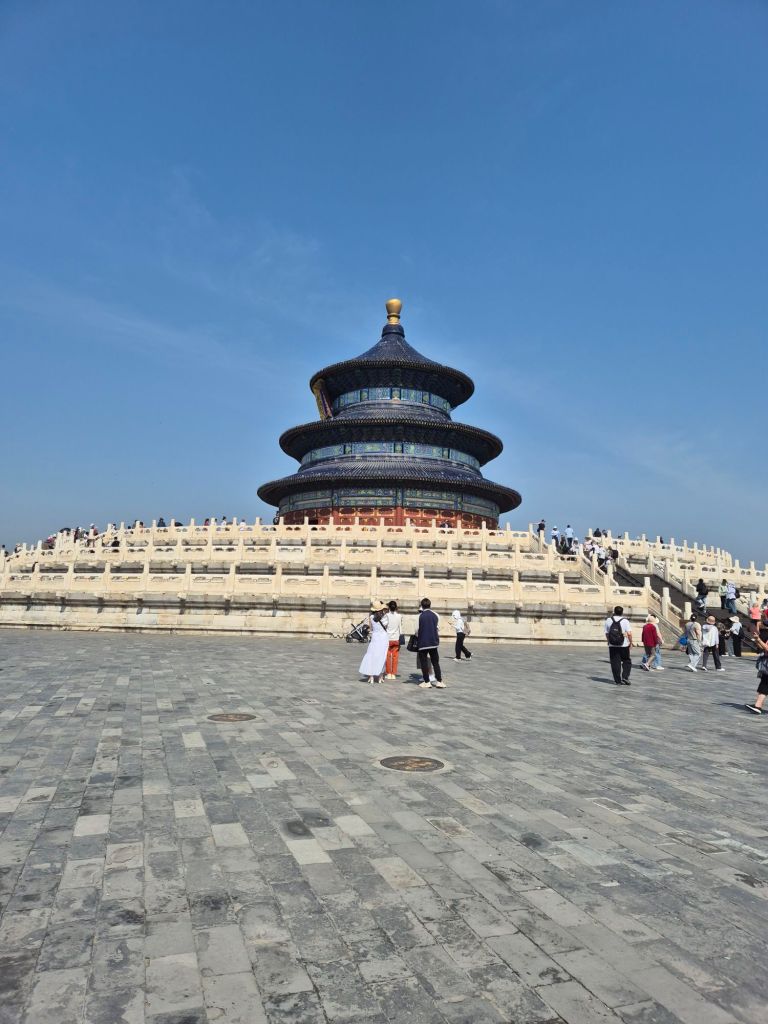
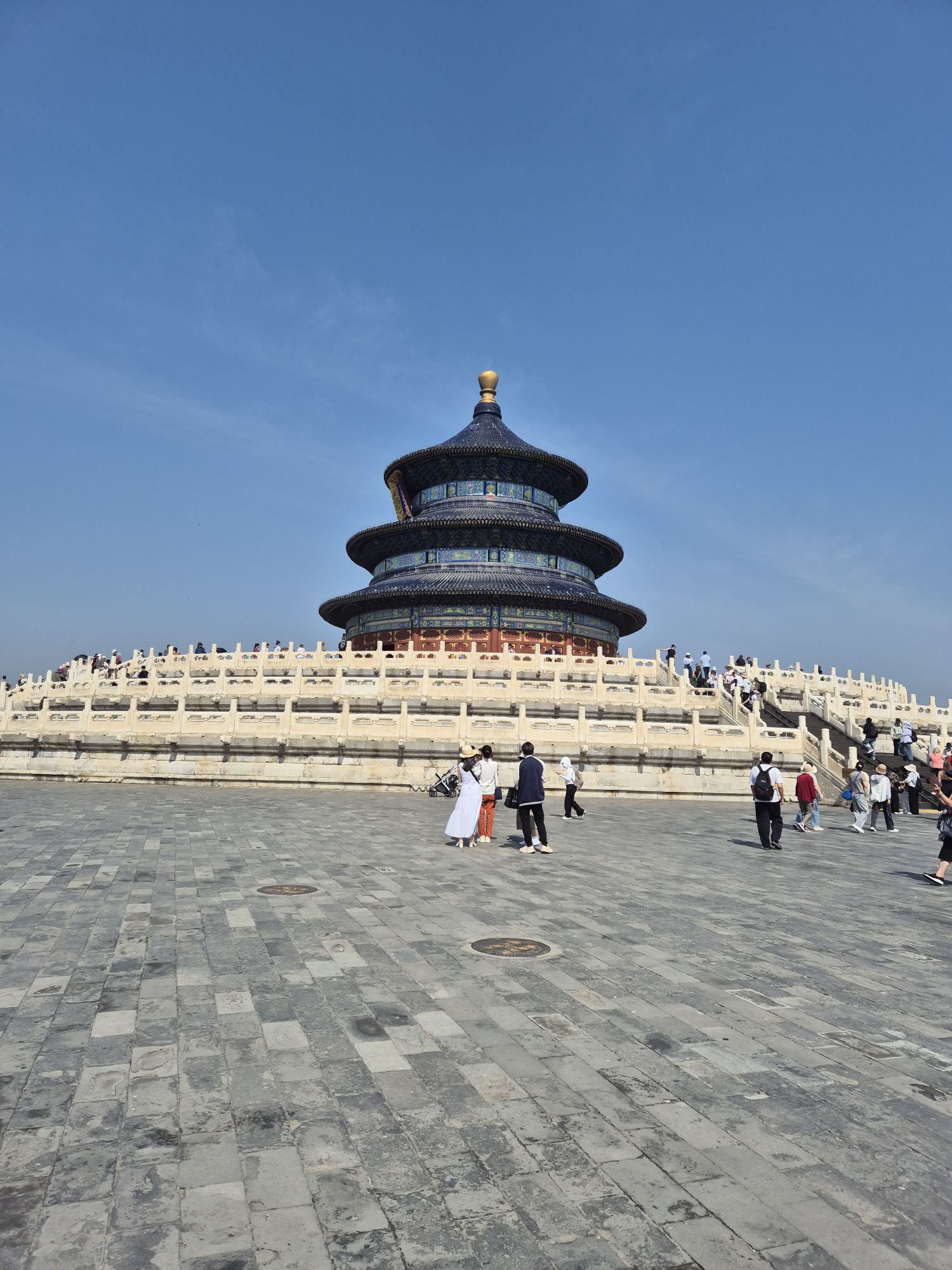
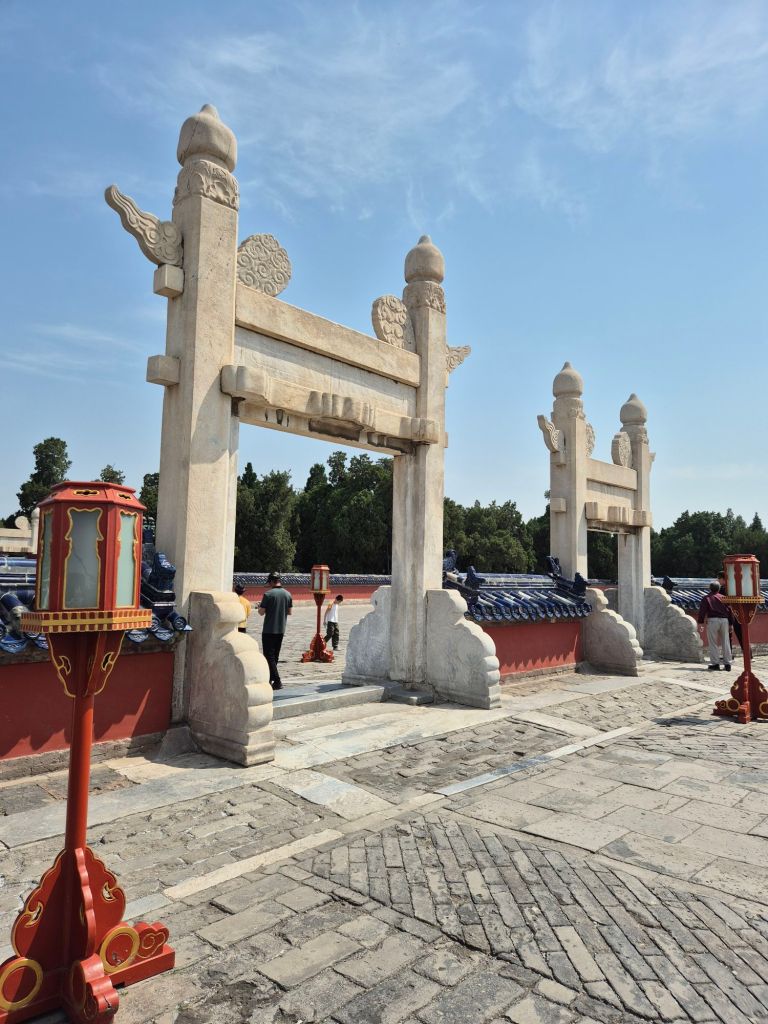
With very full tummies, we were collected from the hotel and set off to visit the Temple of Heaven. This is a complex of imperial religious buildings built in the early 1400s. They were used by the Emporors of the Ming and Qing dynasties for annual ceremonies of prayer to Heaven for a good harvest.
The grounds cover 2.73 km2 and even though it was 30 degrees, it is far less humid here, so relatively easy to wander around without becoming the sweaty mess we’d become accustomed to in Thailand. Our guide told us how safe it is in Beijing because there are so many cameras. We thought it was funny it is so normal and accepted here. I doubt Kiwis would be as chill about it.
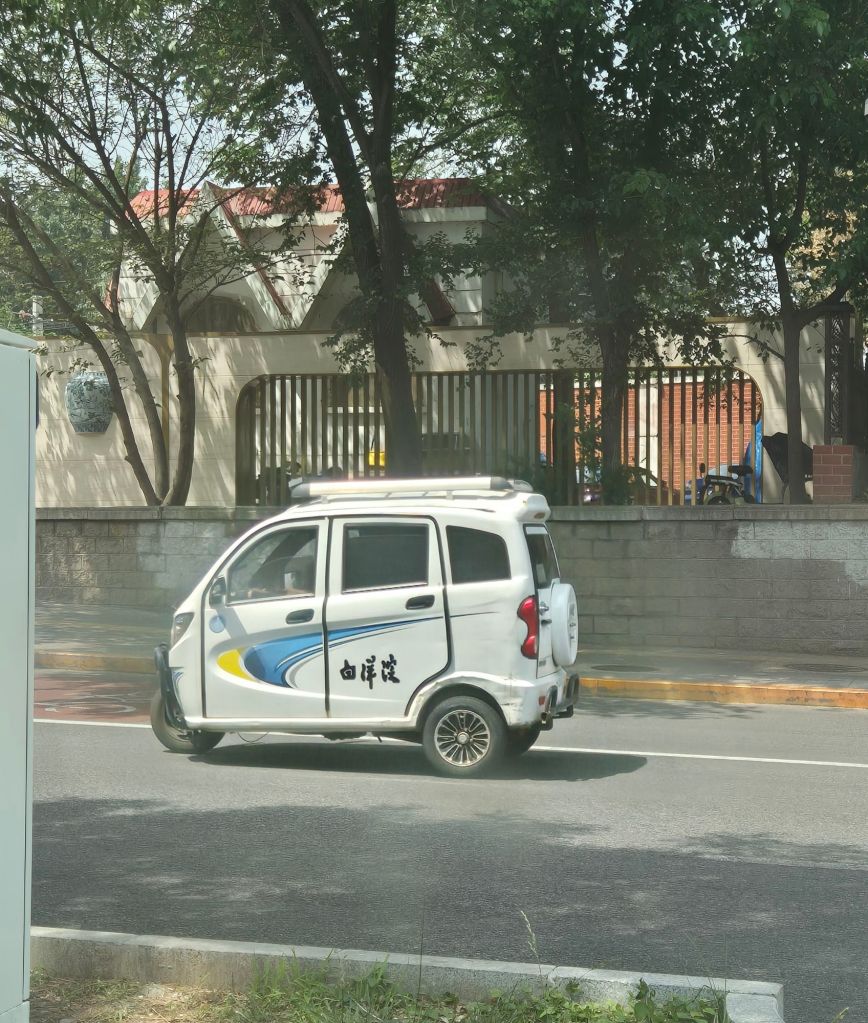
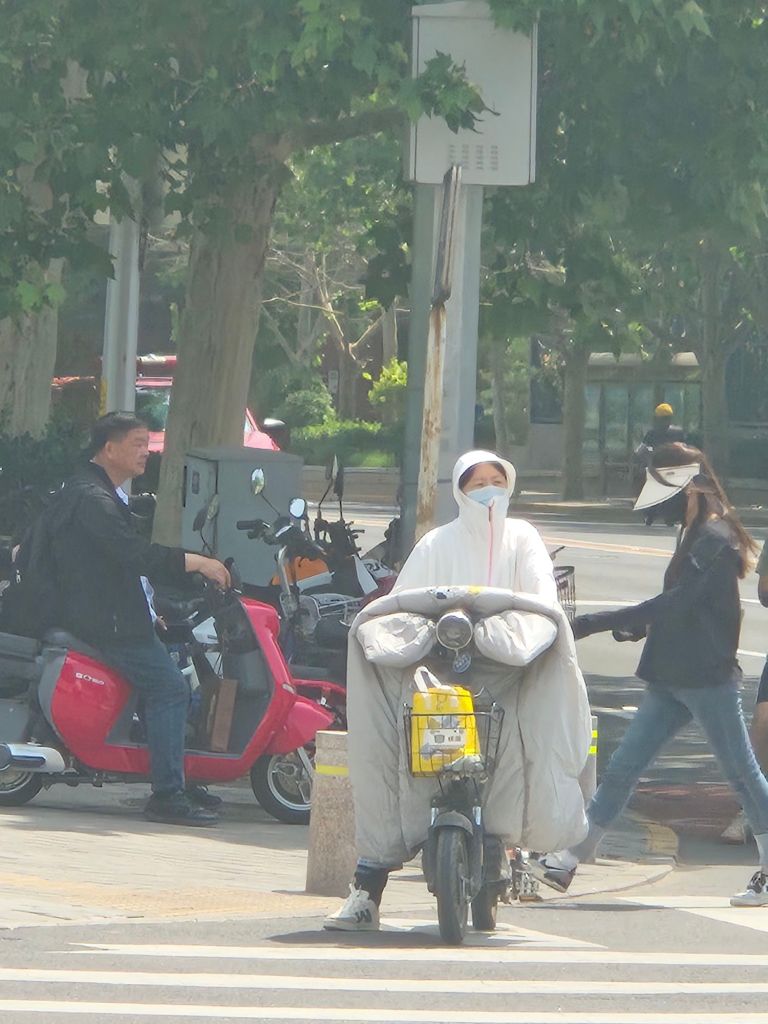
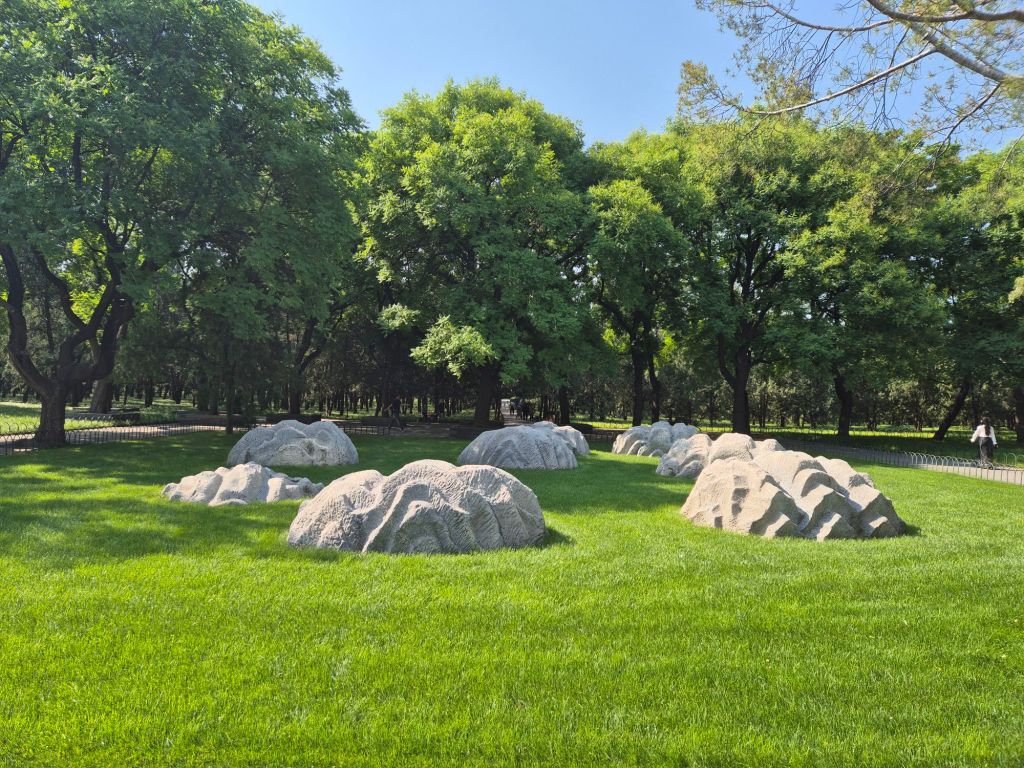
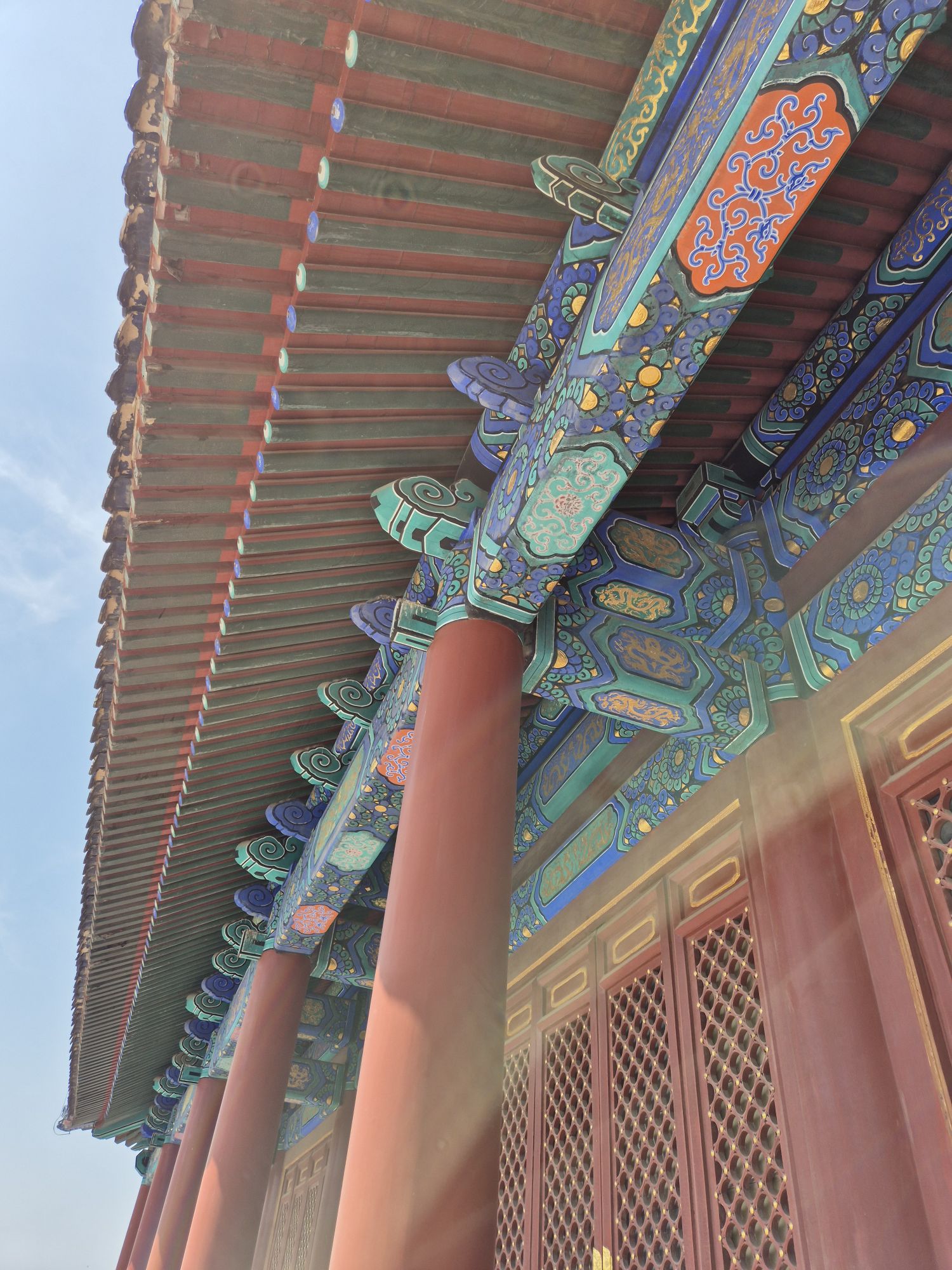
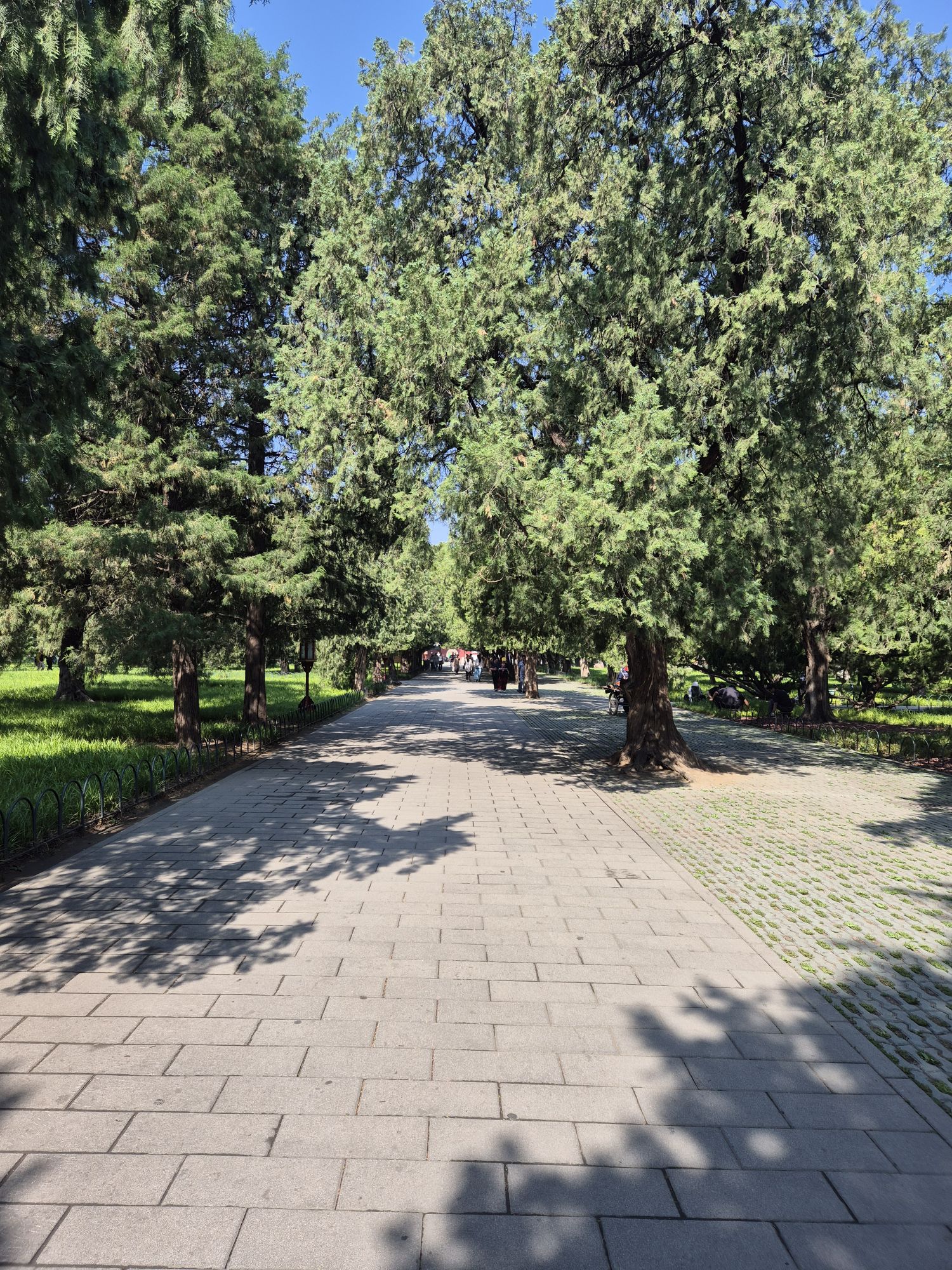
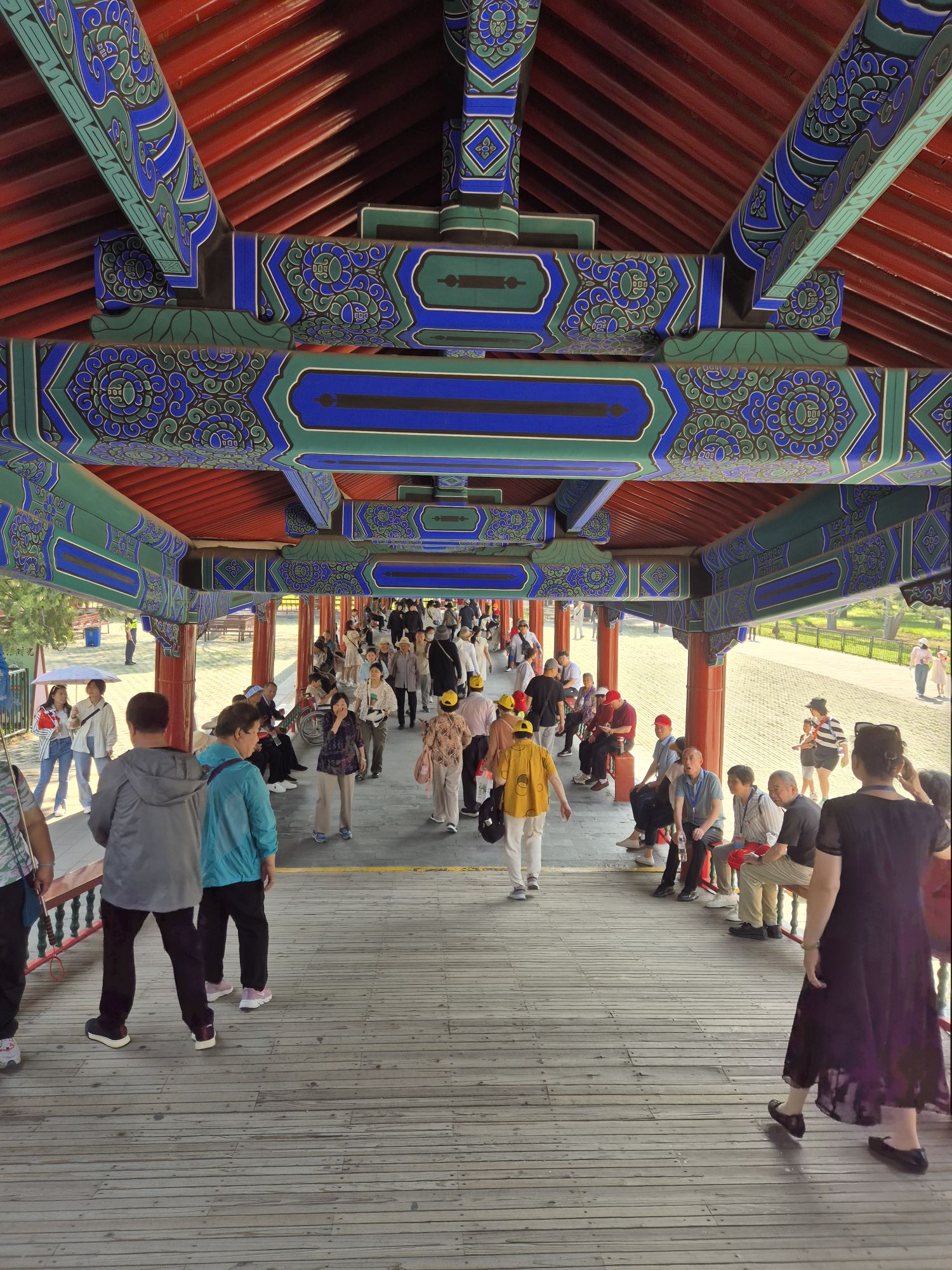
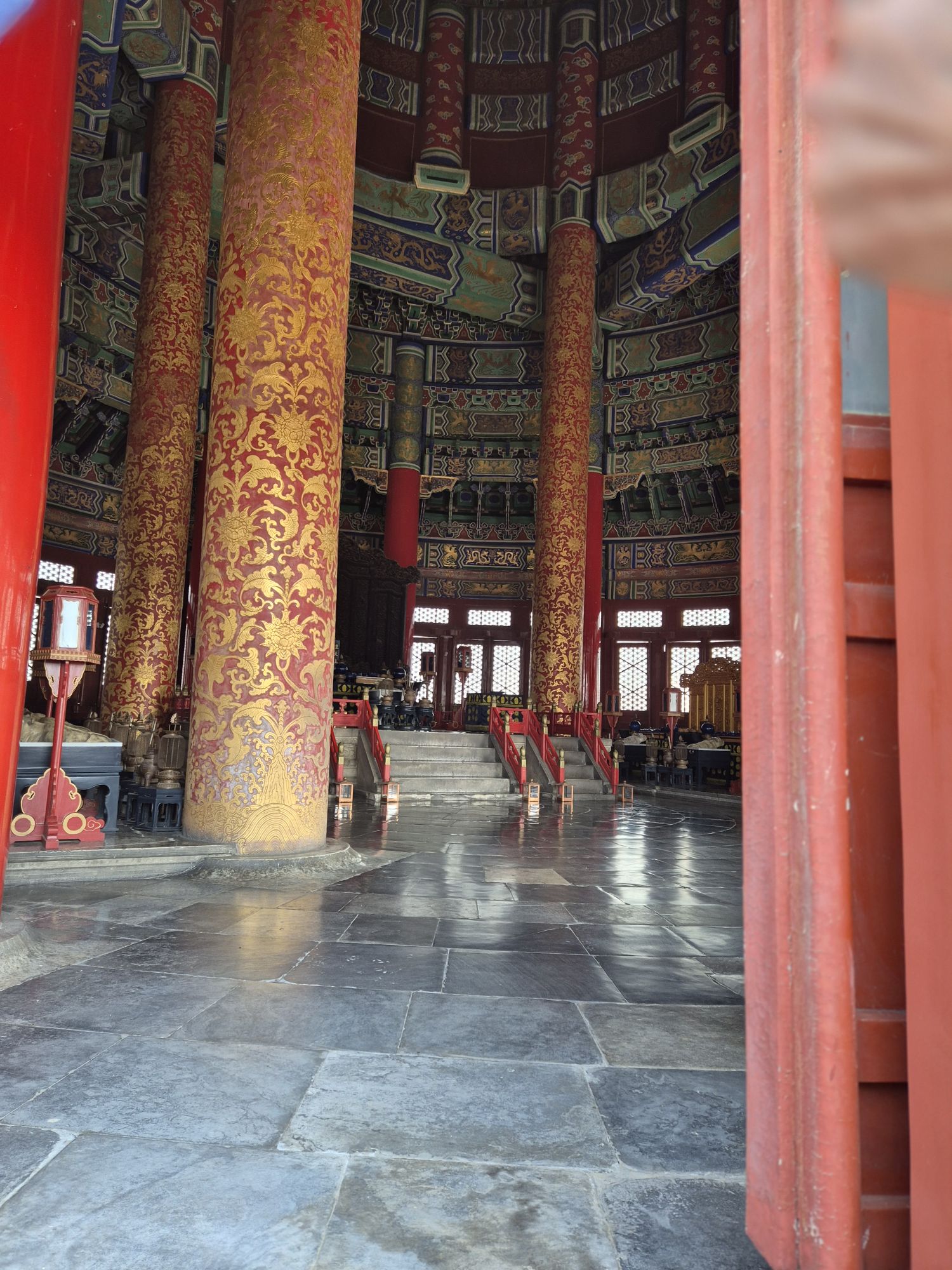
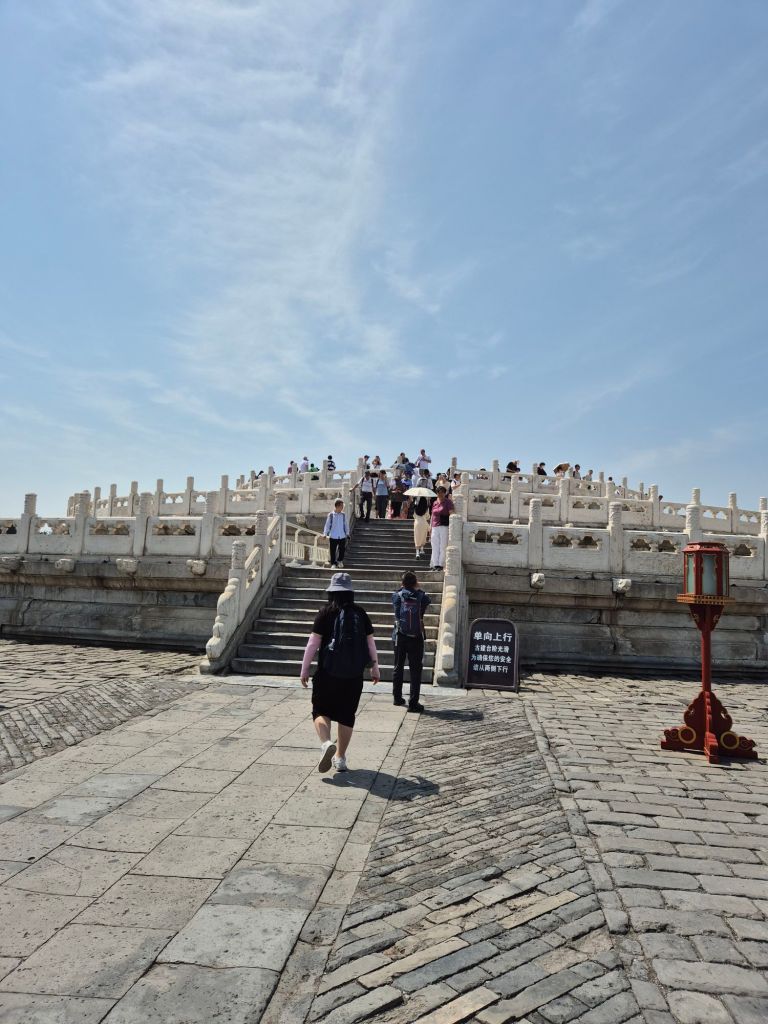
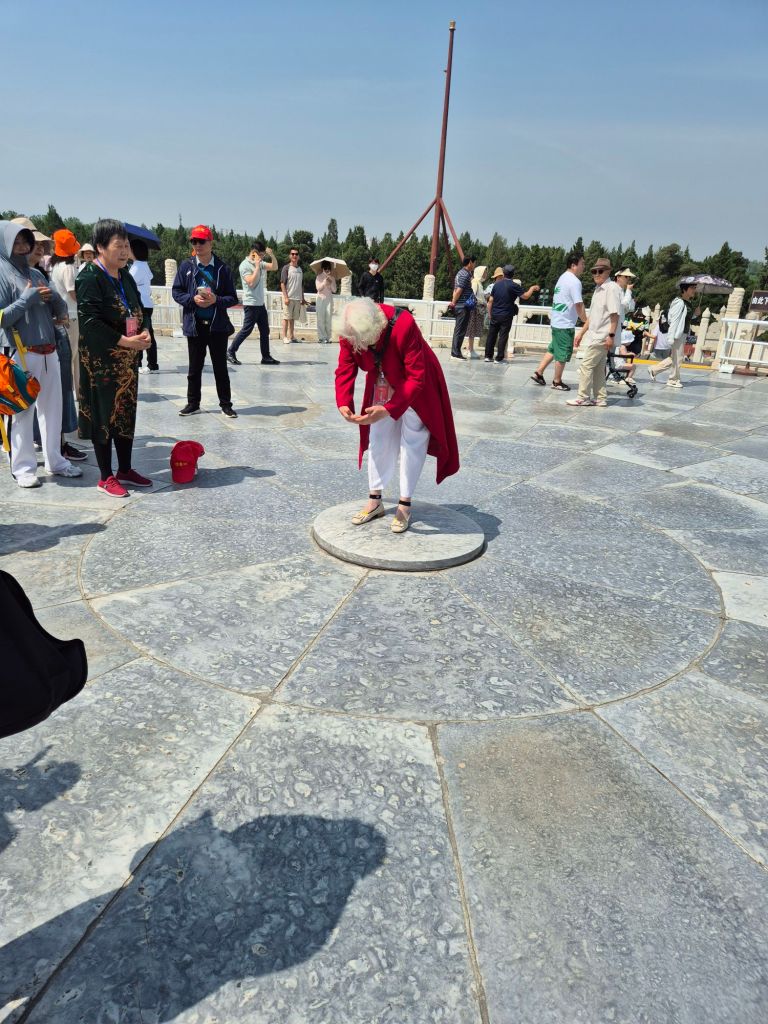
Funny little car thing we keep seeing Everyone here is covered up as much as possible in the sun. Here I am in a singlet trying to keep my mini tan as long as possible!This represents the 7 stars constellation, Mao. Commonly known as the Pleiades, the Seven Sisters, or in NZ, MatarikiHall of Prayer for Good Harvests. 38m tall and built on 3 levels of marble stone base, the building is completely wooden and has no nails. Architects from all over some to view and learn from it.The colour and detail on the buildings was amazing Many of the trees are over 600 years old.Cool details on the tops of the buildings.The Circular Mound Altar, also marble, constructed in 1530 for religious ceremonies. The emporor would pray for rain in times of drought.In the centre of the Circular Mound Altar was this marble stone. People lined up to stand on the stone and bow 3 times in each of the four compass directions.
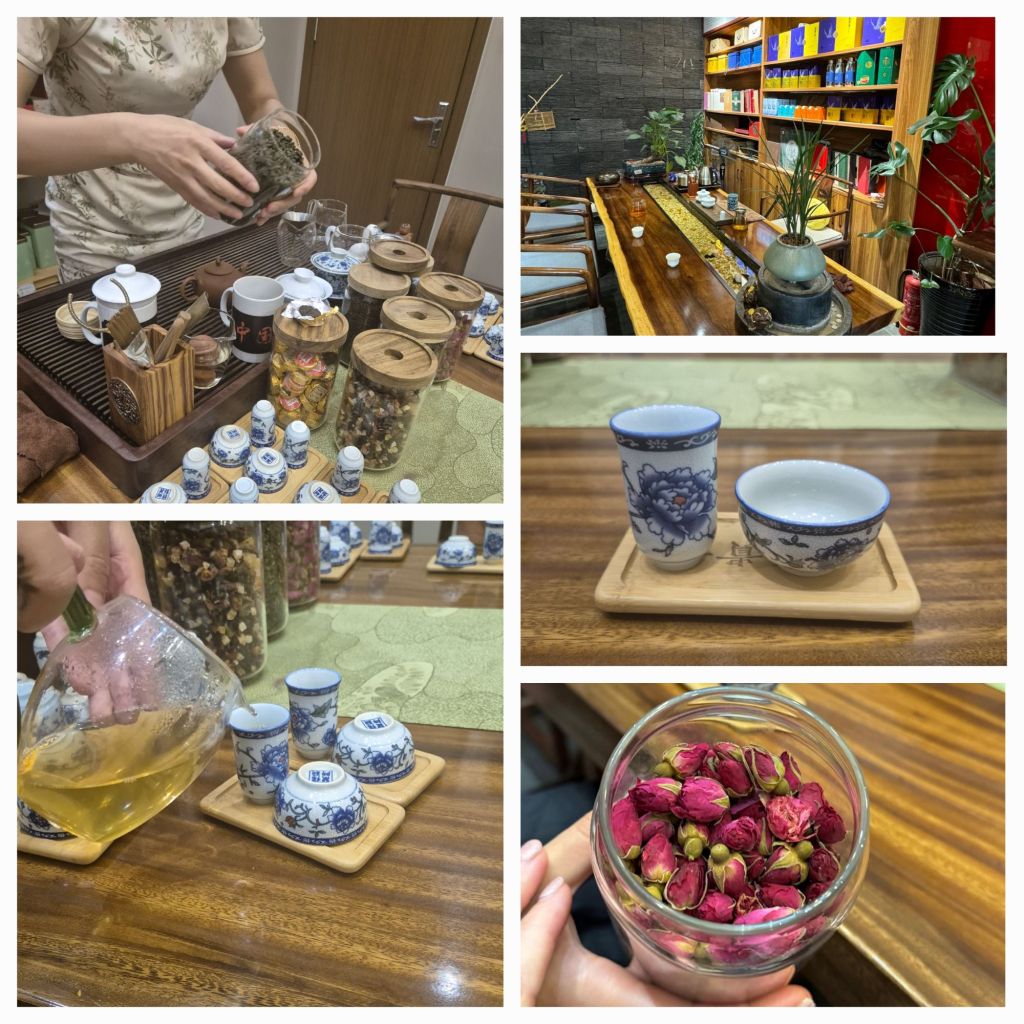
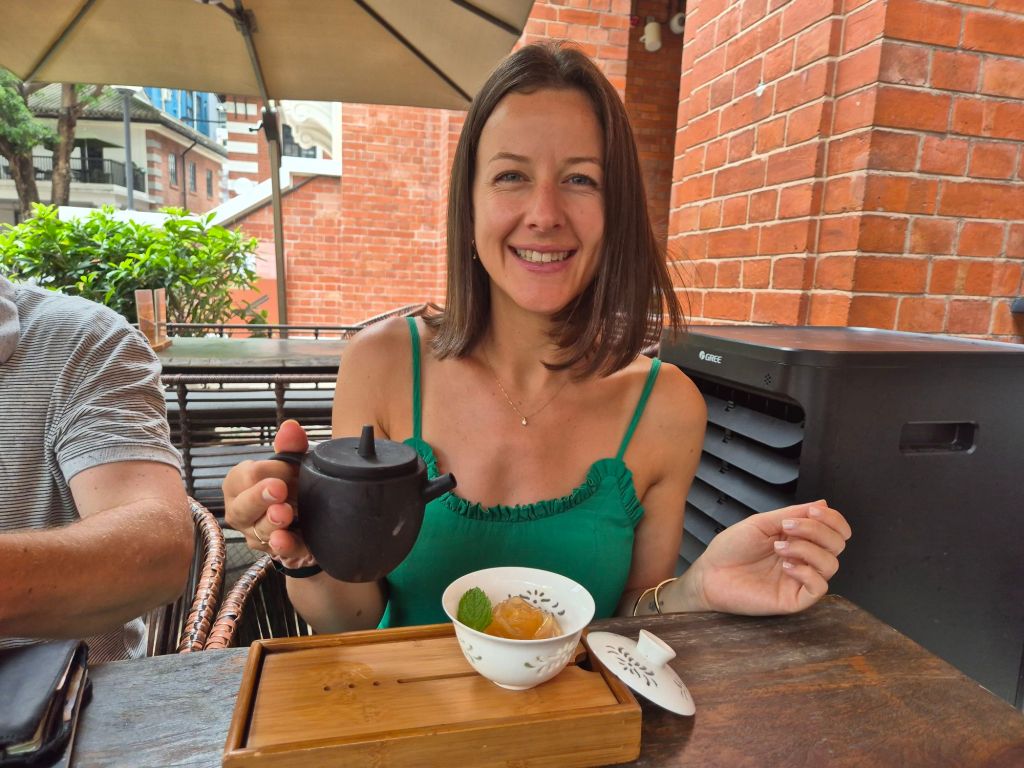
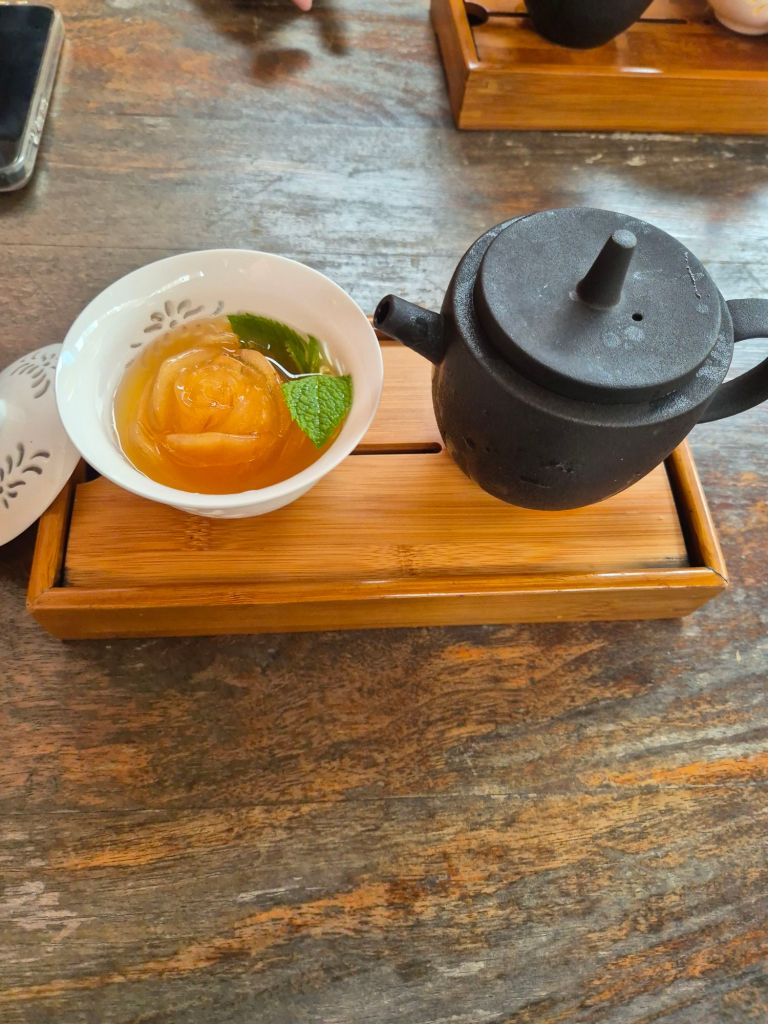
Next we had a Chinese Tea Ceremony and learnt a lot about traditional Chinese teas and their symbolism. We also learnt about the many health properties of teas, and I wish they were all as effective as they sound. Particularly the youthful one. We bought a couple of different teas to take home, so if I look youthful in 3 months, it’s the tea, and I’ll share it with you if you like.
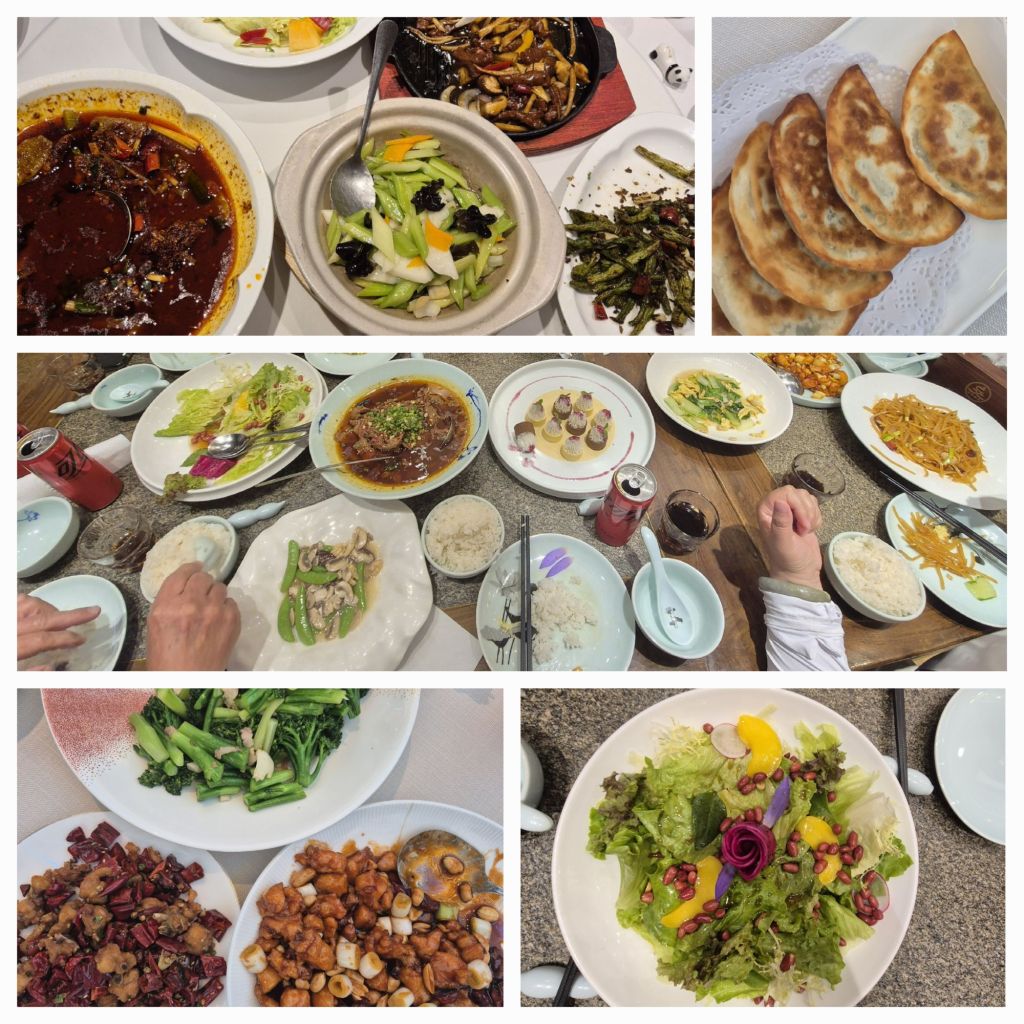
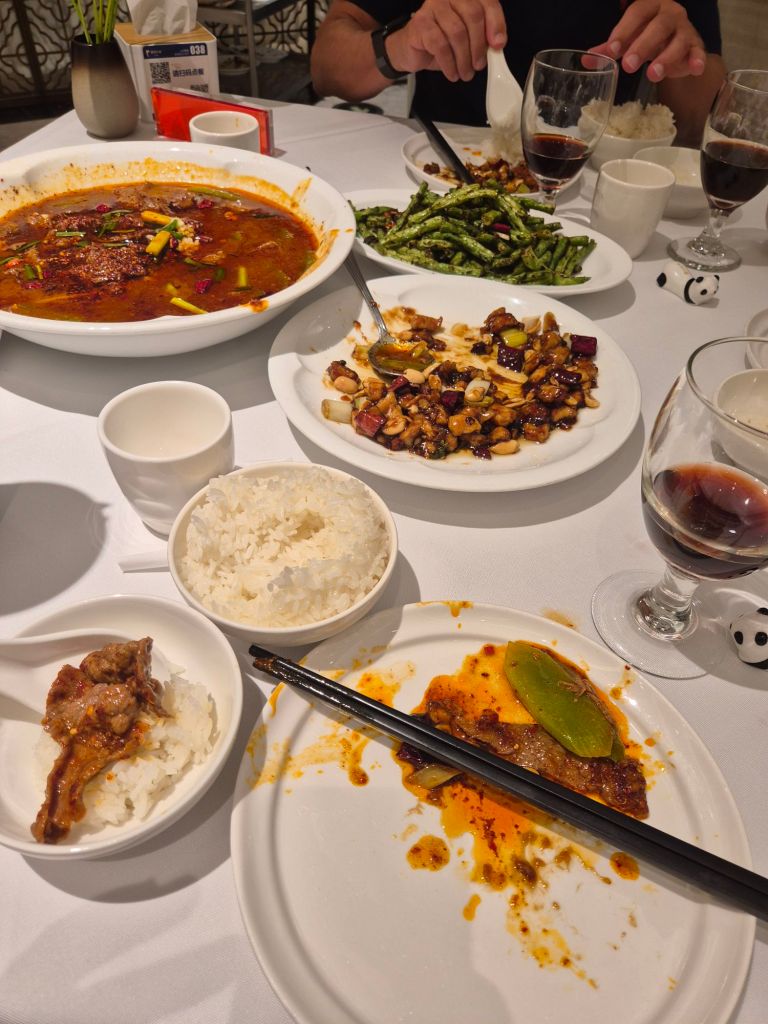
After a VERY indulgent lunch of spicy beef soup, kung pao chicken, fried green beans and plum juice, we waddled down to explore Qianmen Street.
The tablecloth was not perfect after this meal. I need to practice a bit.
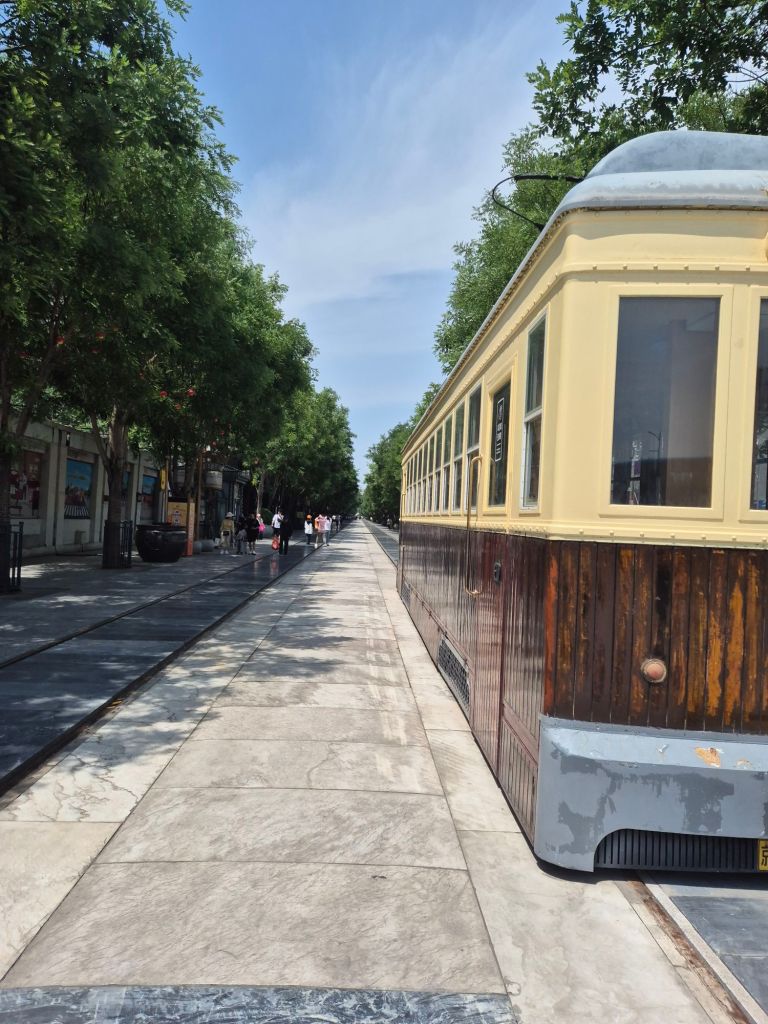
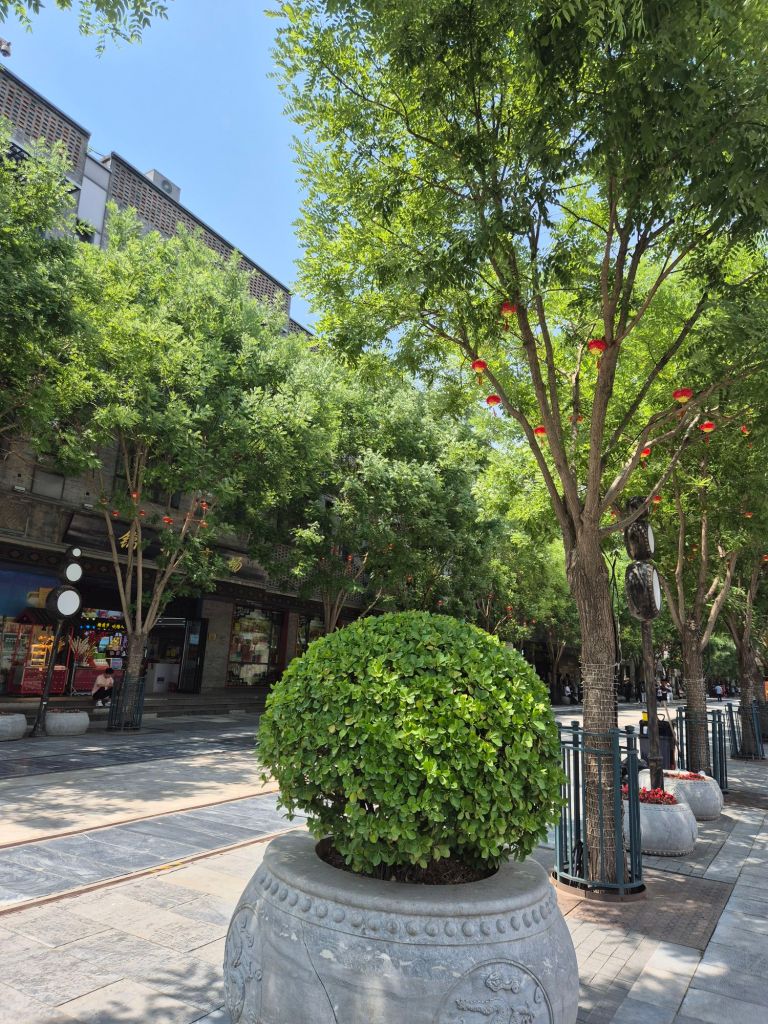
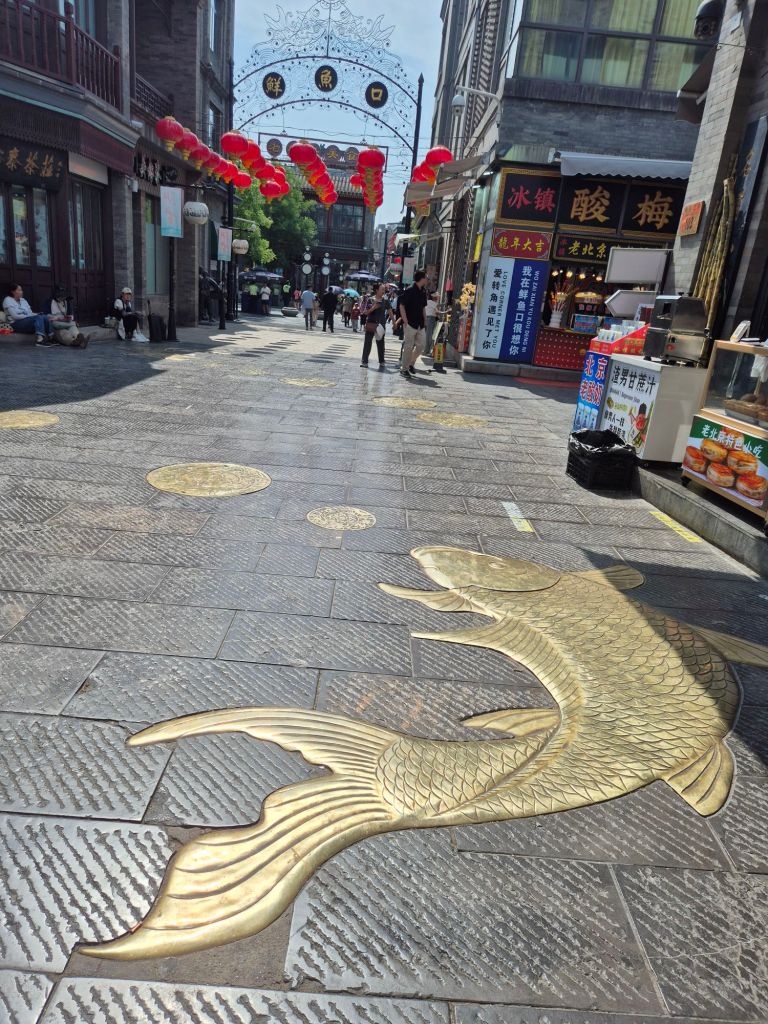
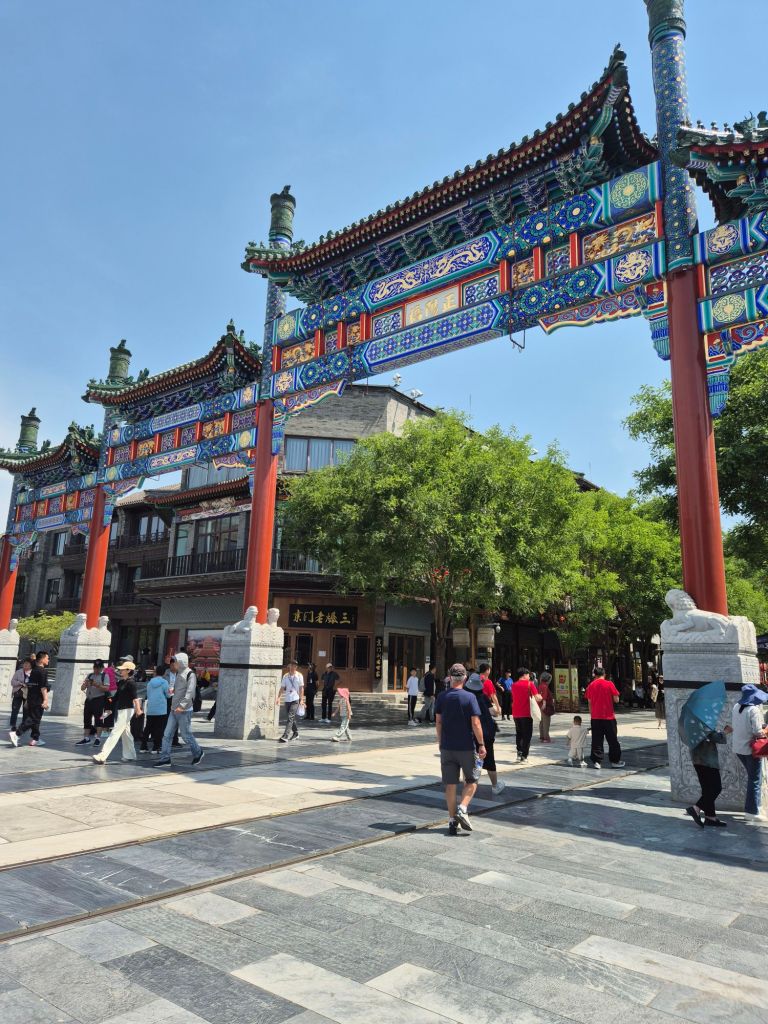
Qianmen Street is a pedestrian thoroughfare in the city centre made up of restored buildings, which reflect the architectural charm of old Beijing (Peking) that now house mostly shops and restaurants. You have to scan your ID/passport to enter the street.
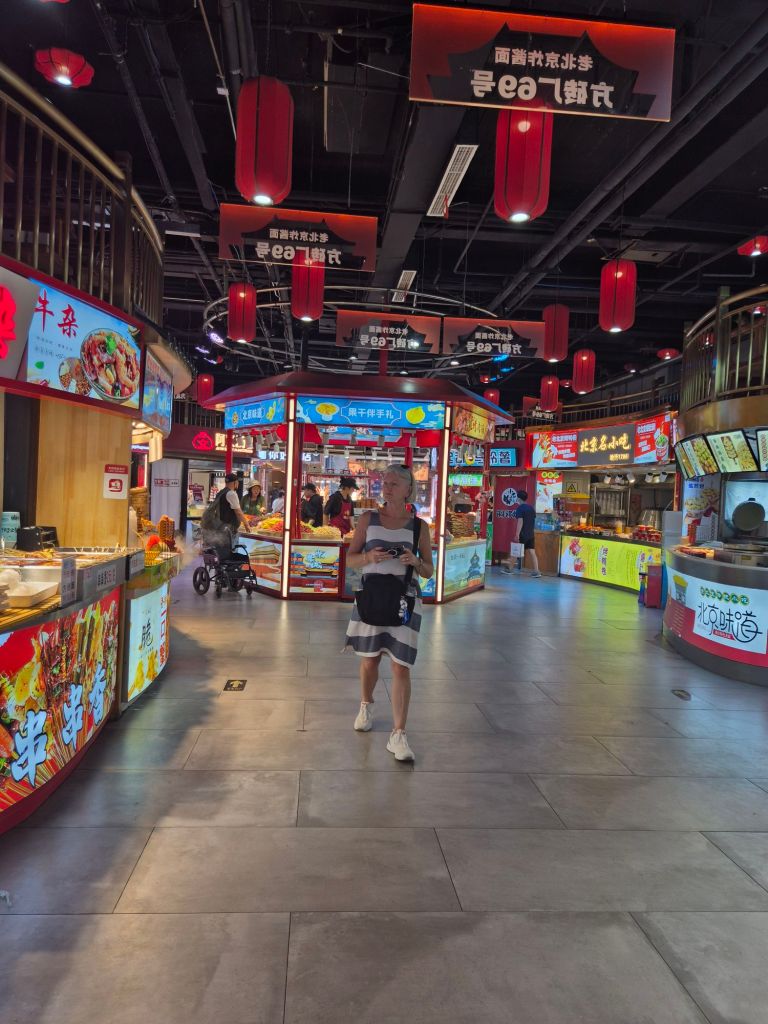
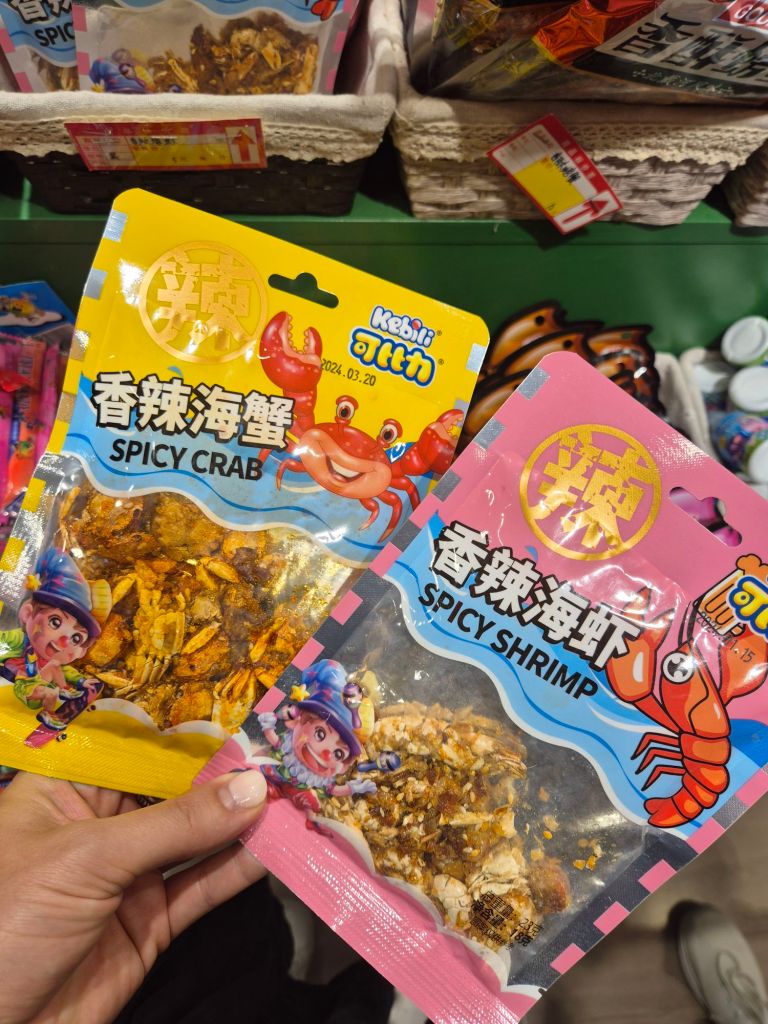
Beautiful and clean Qianmen StreetAn interesting food hall with dried fruit through to octopus soup.“Tasty sacks” found in a lolly store.
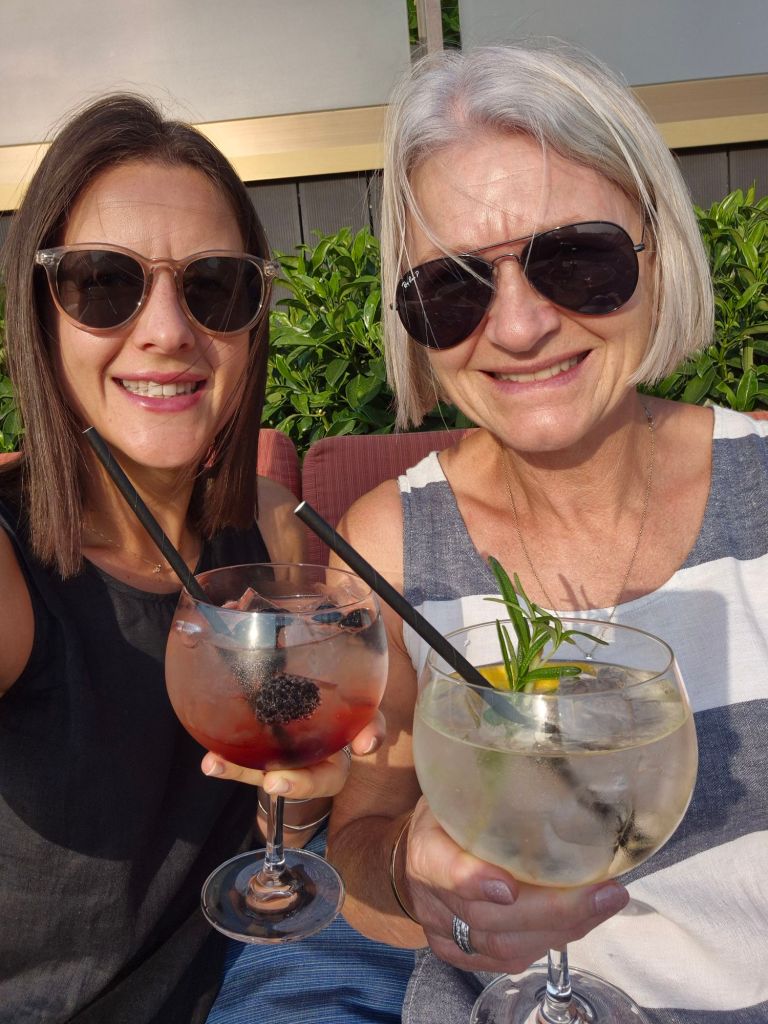
Maybe it was the sun, maybe it was the two giant meals we had, but I needed a nap. Following this, I was in need of a beverage, so to continue our tradition of no alcohol free days, we found a rooftop bar. Here, we enjoyed a few tasty cocktails in the less humid, warm evening as the sun went down.
A fancy mall we found A Chinese inspired cocktail with Chrysanthemum Baijiu, Pomelo Puree and Jasmine Tea Foam
Initial thoughts of Beijing are that it is very clean. Apart from cigarette butts, there is no litter. They drive on the other side of the road here, and while the streets are busy, traffic seems to flow, though I’m not sure of some of the road rules, it seems a bit chaotic. The buildings in the area where we are staying are very grand and vary in architectural style. We have seen a lot of luxury car and clothing stores and many fancy hotels.
Seen along the way
We will explore other areas later in the week, but for now, another chill evening in the hotel bar. Dinner was definitely not needed and we got by with the free snacks they provided us while we enjoyed mojitos and vinos. We were even each given a complimentary wine. I don’t quite know why they were free, but we did not argue .
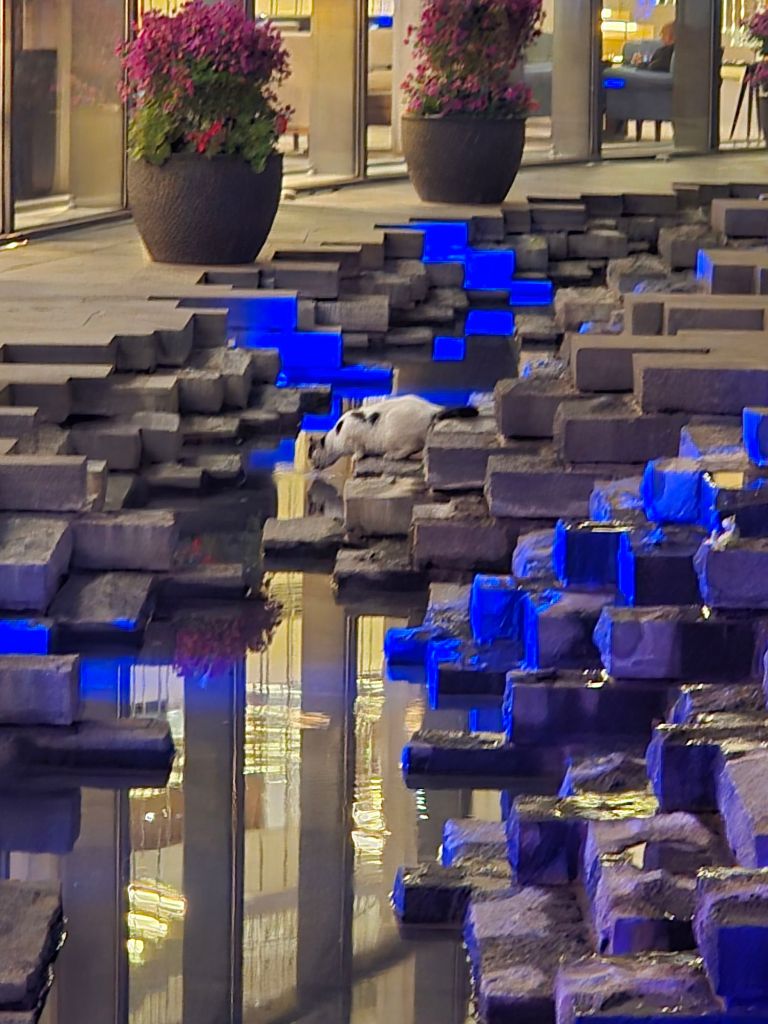
A wee friend getting some water at the water feature in the gardens at the hotel.
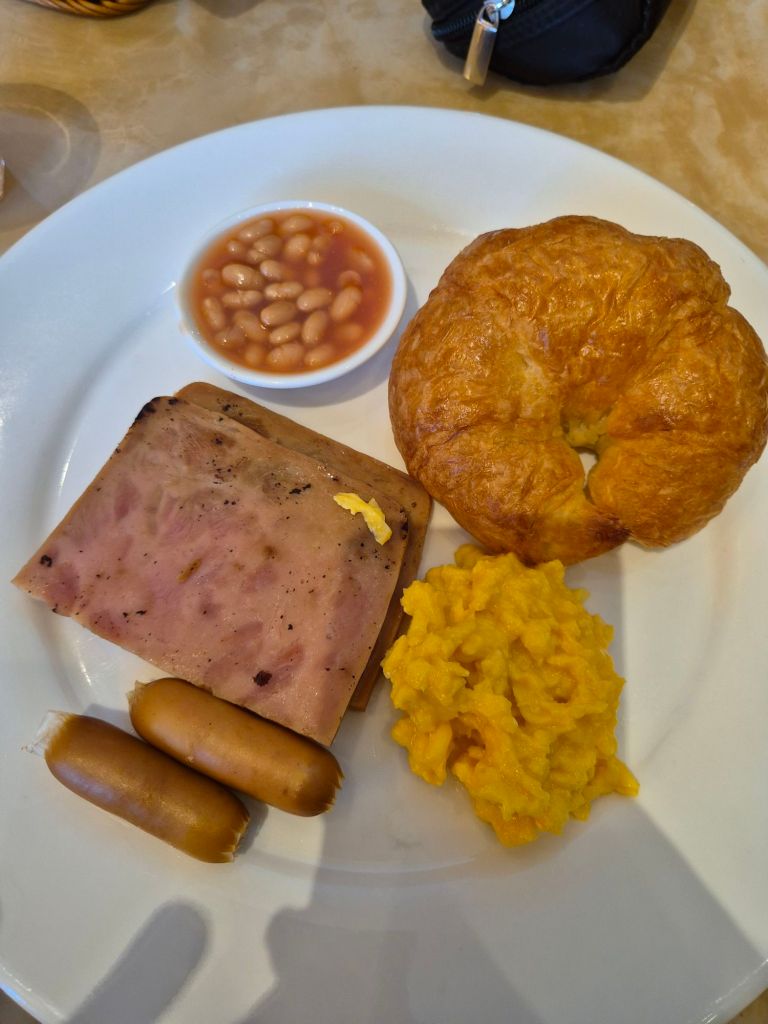
Last year on my birthday I woke up early in Hong Kong and went out in search of a coffee. Little did I know that nothing opens here at a normal hour and especially not at jetlagged 6 or 7am, so I ended up with a very average coffee from 7 Eleven. To keep with tradition, my first coffee on my birthday this year was also in Hong Kong and also very average. The hotel breakfast was hilariously bad, and the coffee barely drinkable. We tried our best to fill our tummies until we could find something better later on.
Birthday breakfast
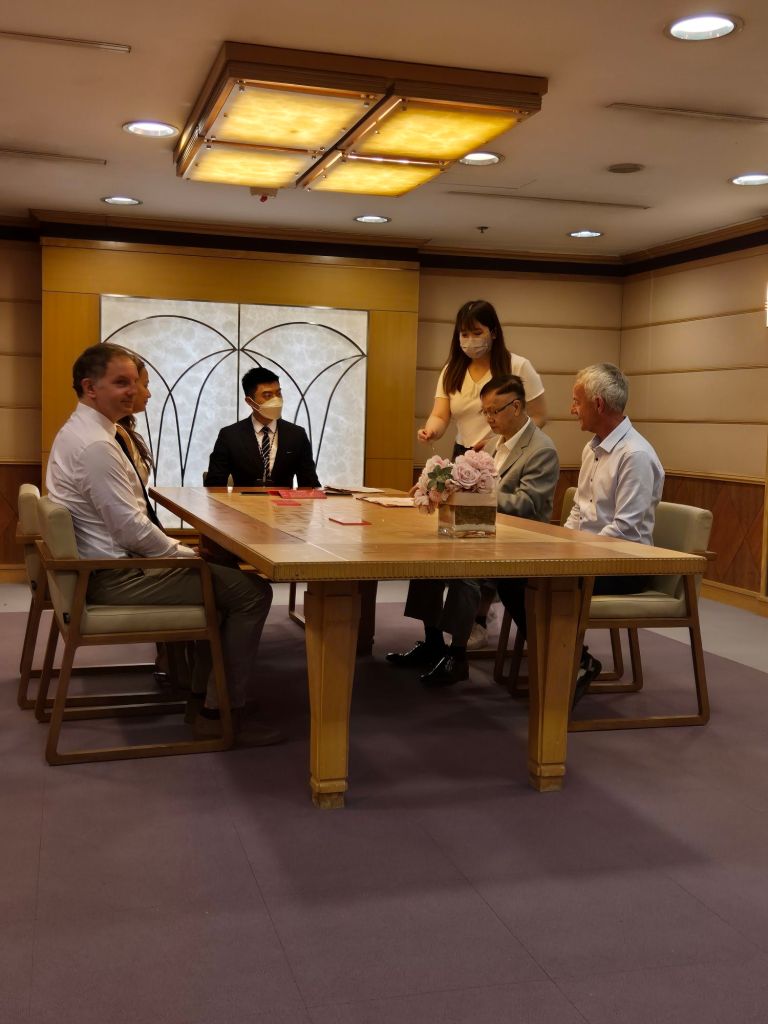
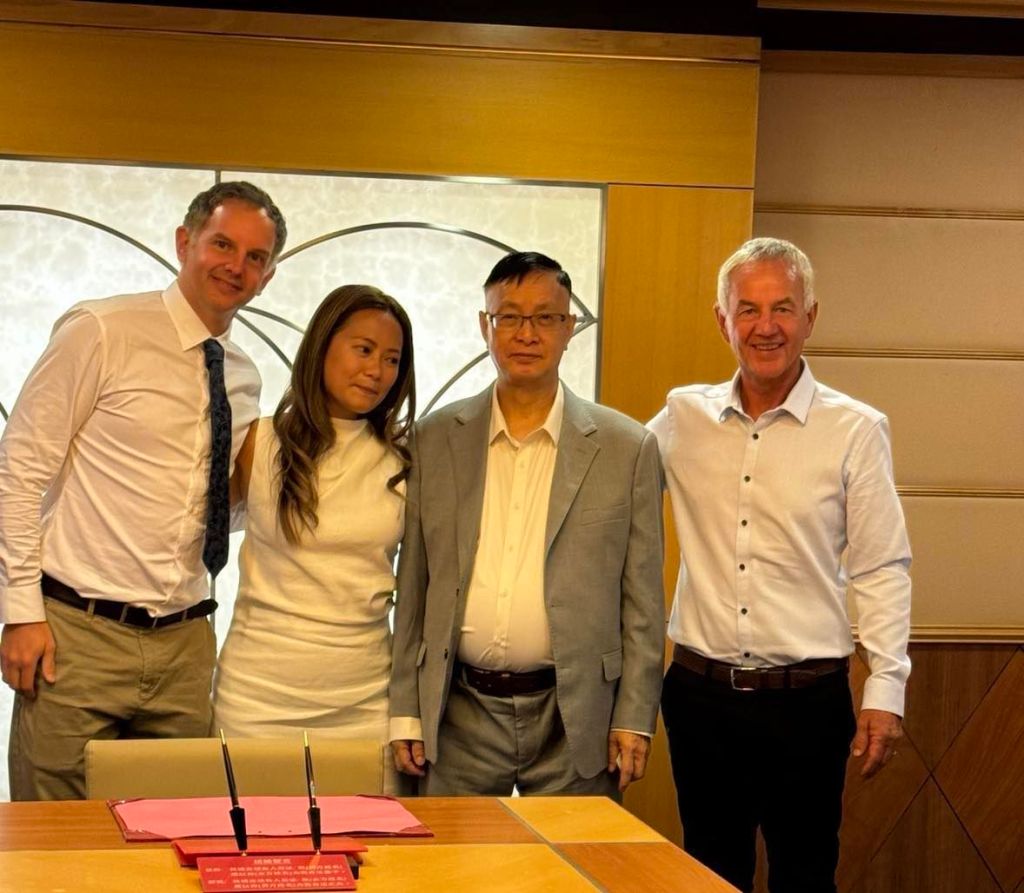
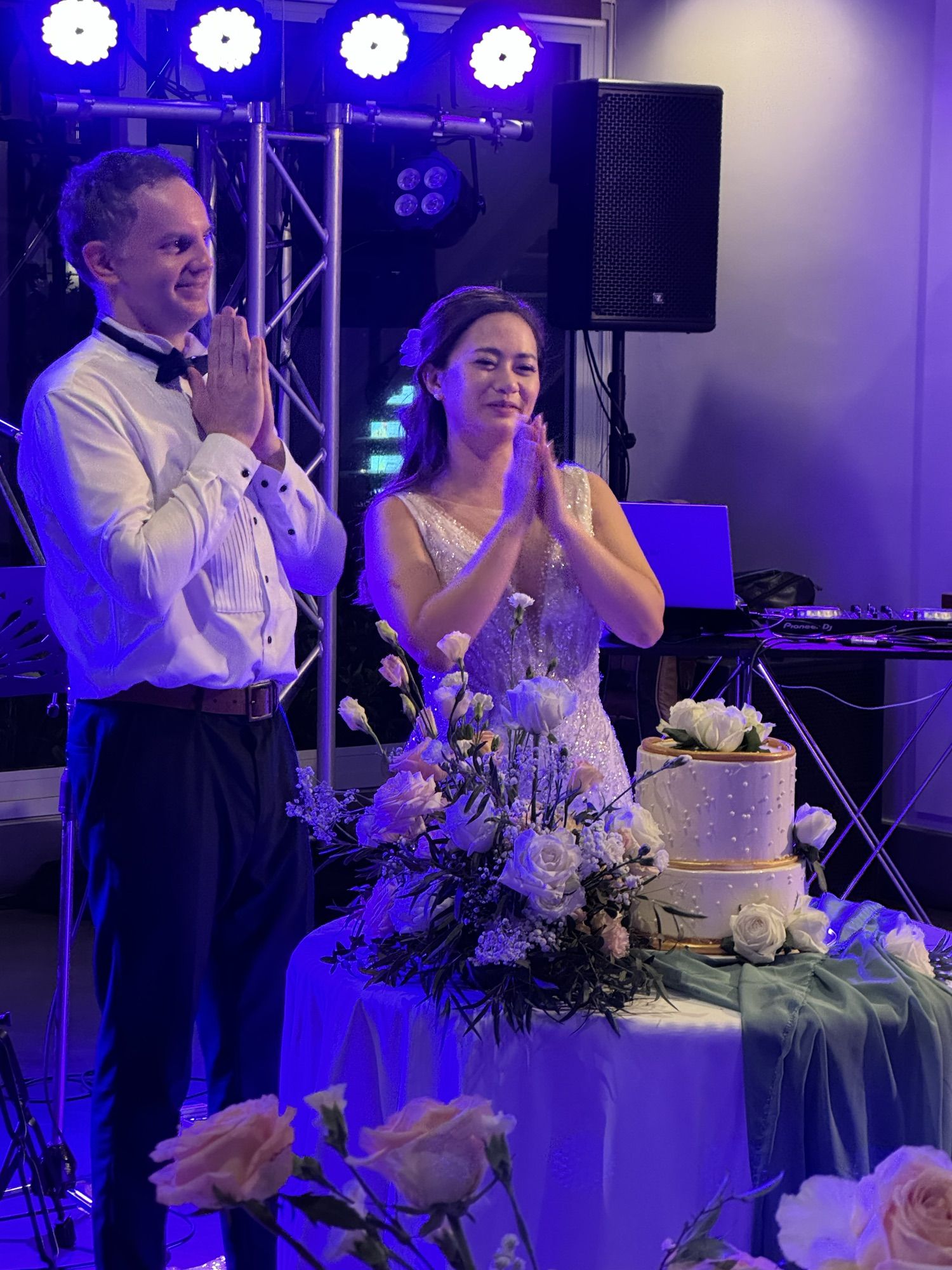
Later, we witnessed the legal signing required to make Jonny and Grace’s marriage official. It was a quick ceremony, over in less than 10 minutes. It was very cool to see Dad up there as a legal witness. I was very surprised and grateful to receive birthday presents from Grace’s friend Febe, and her brother Louis. What a lovely unexpected treat. After some photos we said farewell to Grace’s friends and family and went in search for lunch and some drinkies.
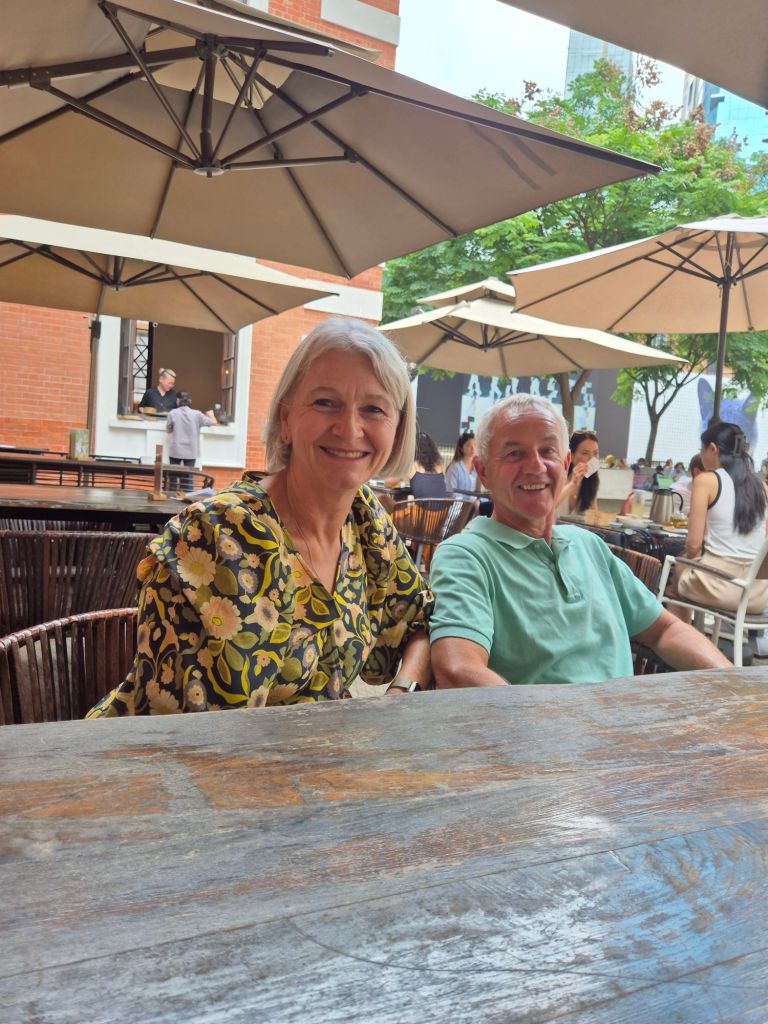
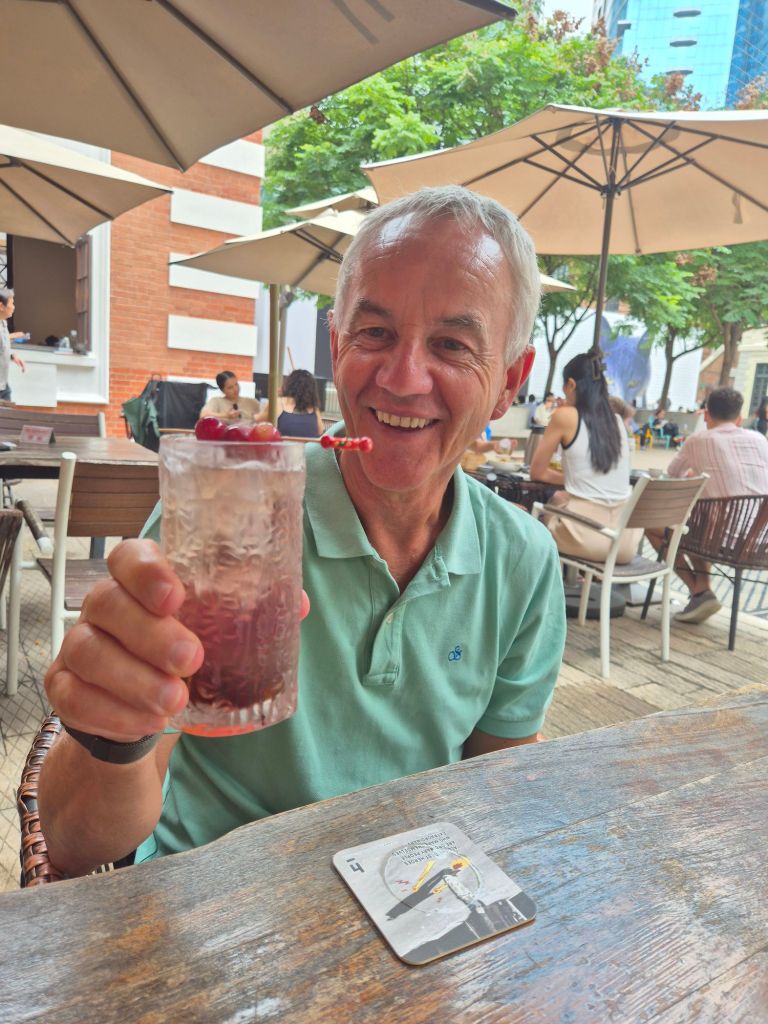
To continue traditions, we went to the same place we went to last year because I loved it so much. Once again, we were treated with amazing dim sum and cocktails in a beautiful courtyard with plenty of people watching to do. It was fun walking around the area and recognising places I visited last year with J and G.
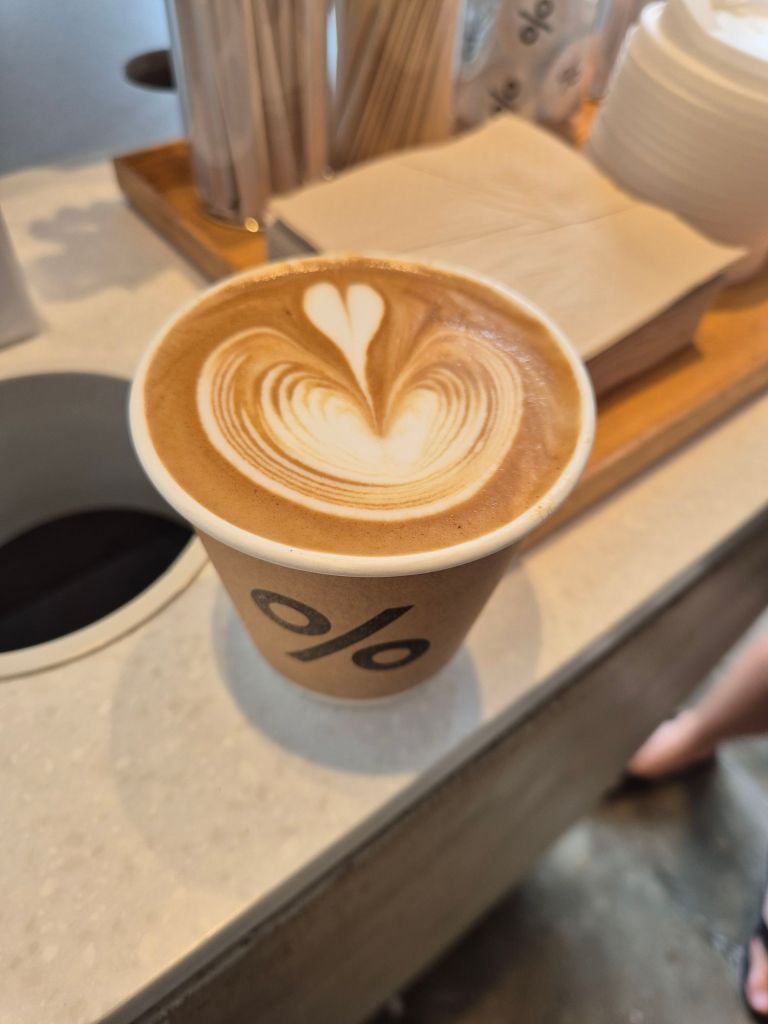
But first, proper coffee. This one had condensed milk in it.Getting my fave cocktail againThe food was amazingFollowed by dessertNot sure what this was for but I liked it.
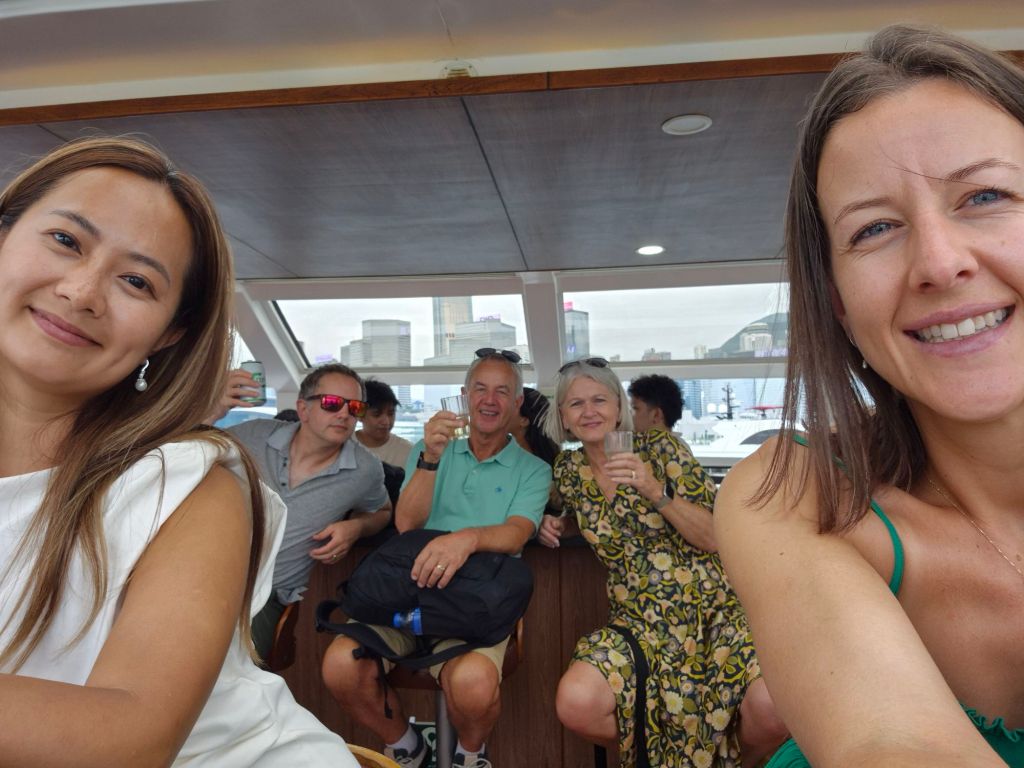
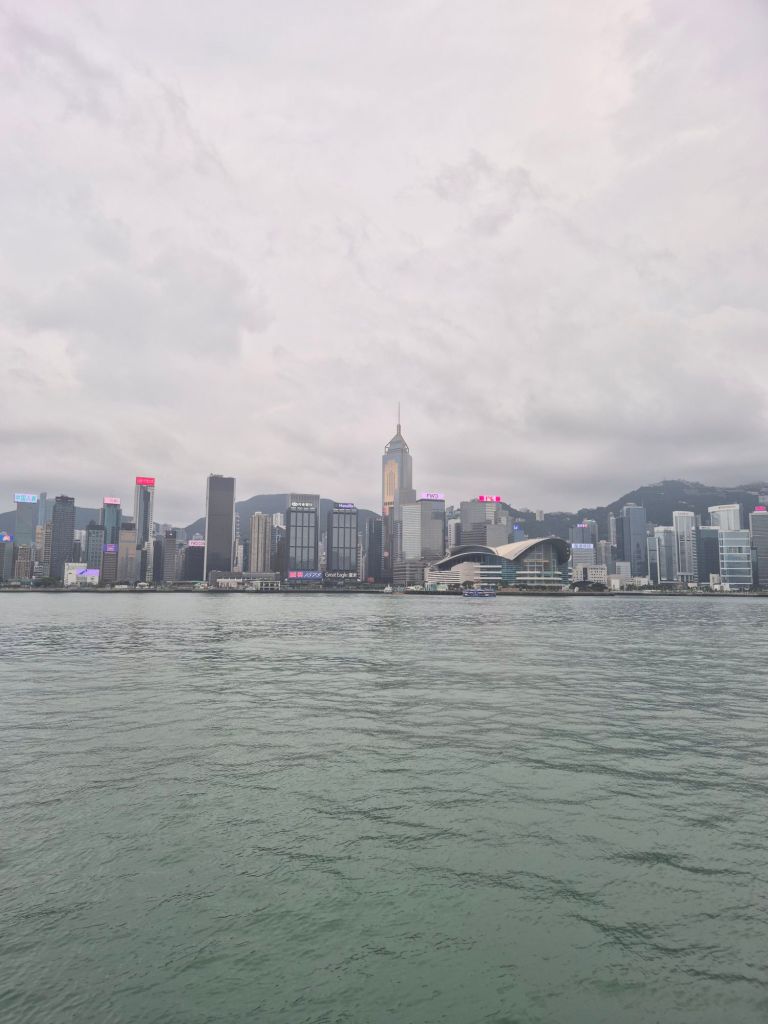
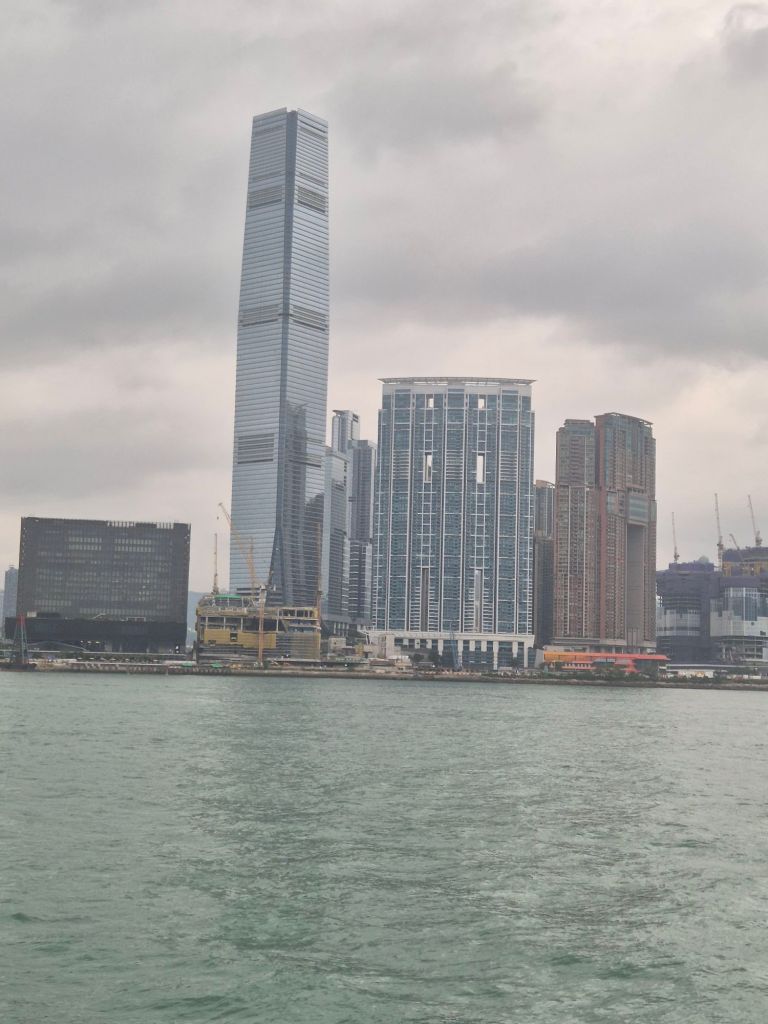
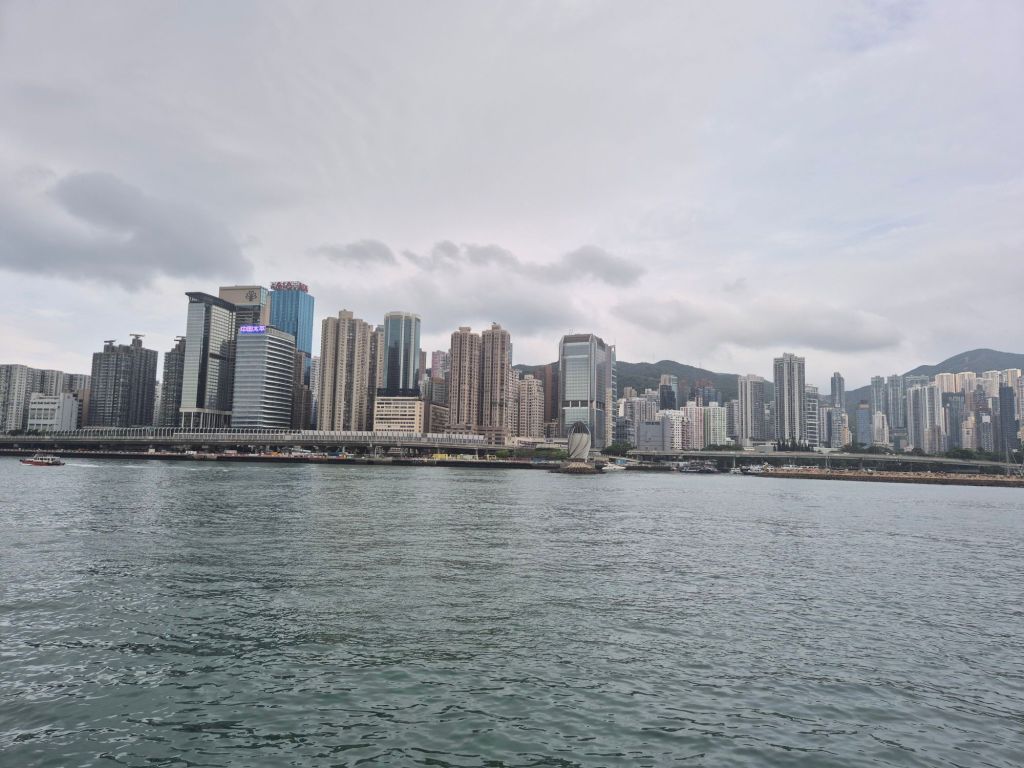
In the afternoon we went on a cruise along Victoria Harbour to see Hong Kong from a different angle, which I didn’t get around to last year. It was very relaxing and a great break for our feet.
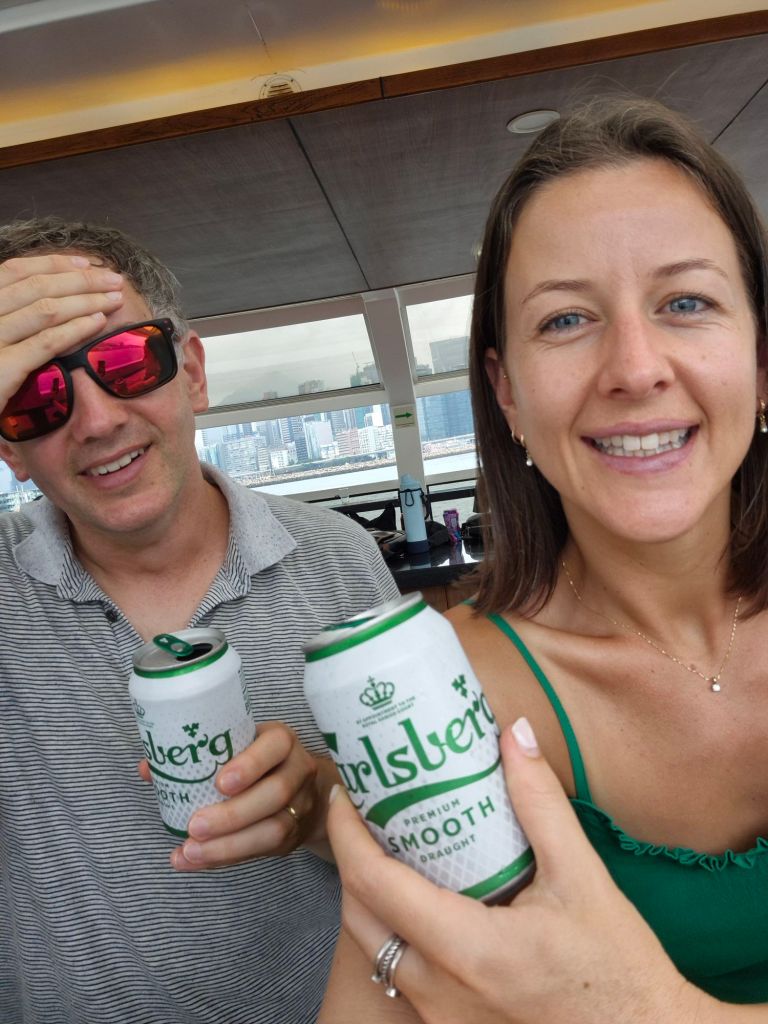
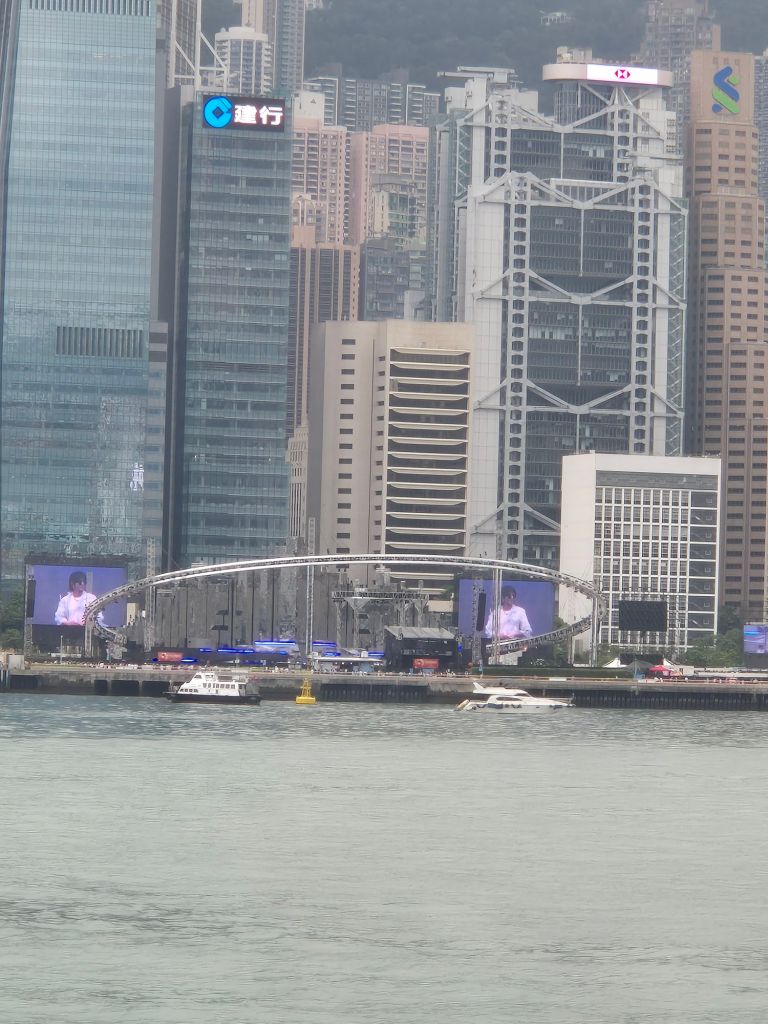
Free beer and wine on the boat Average beer, but free.Our little yellow boat The ship I wanted to go on but was booked.A bit Cloudy but still amazing views. A concert going on at Central pierThe tallest building where we had cocktails last year.The density of the apartment blocks continues to fascinate me.
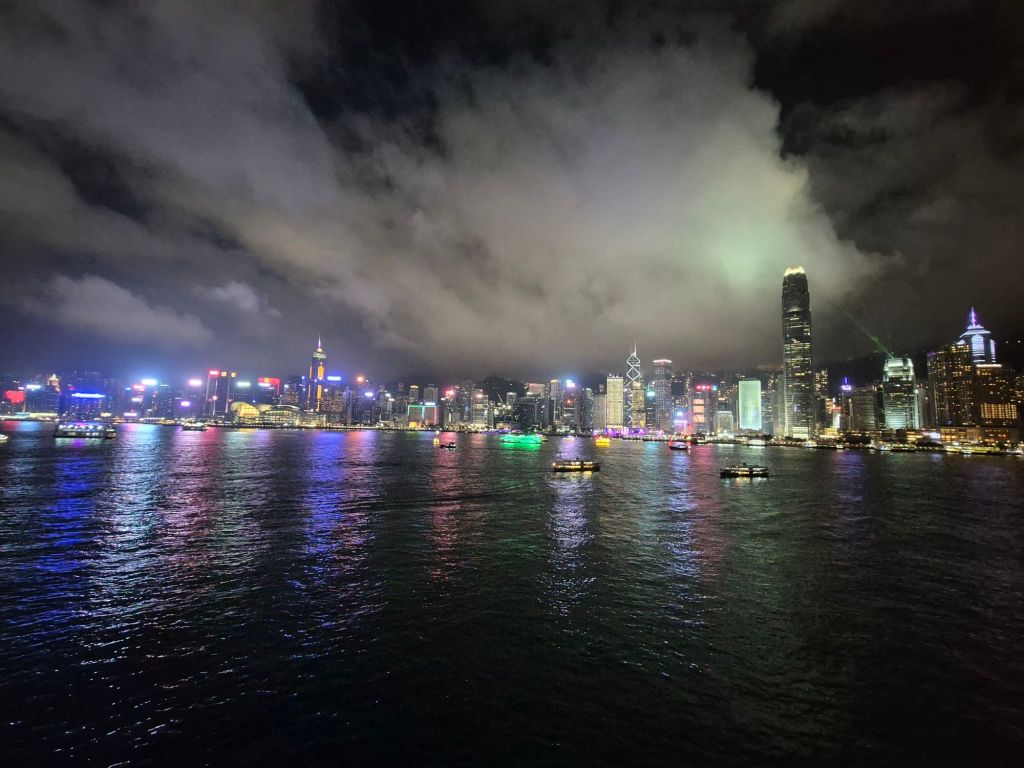
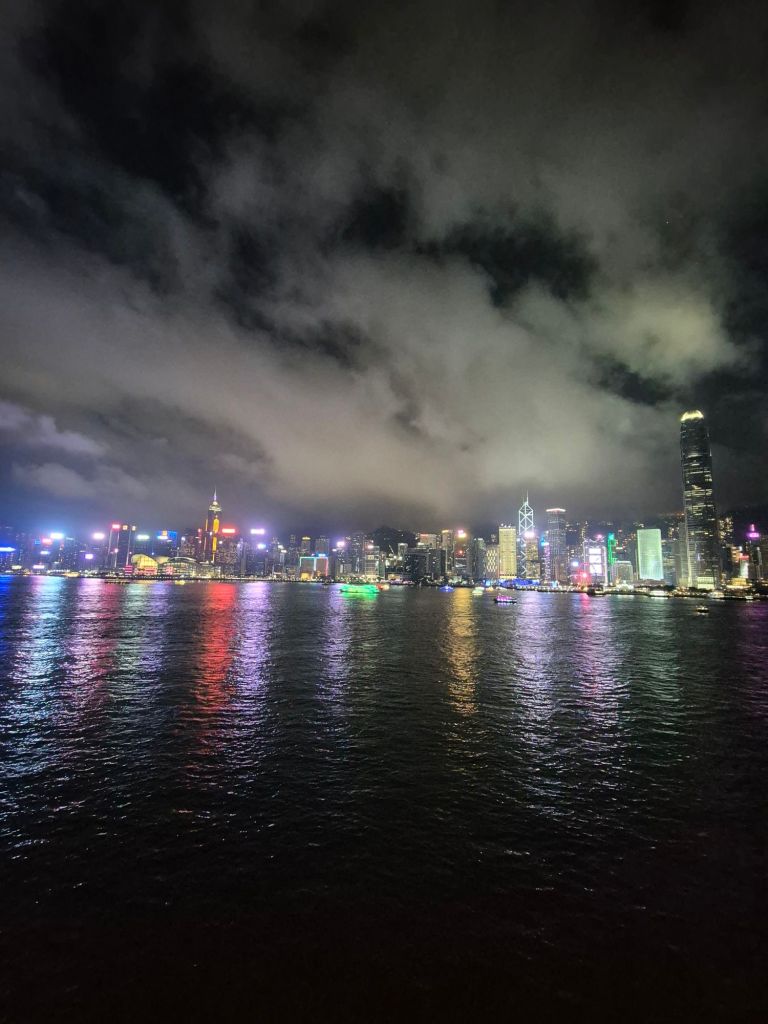
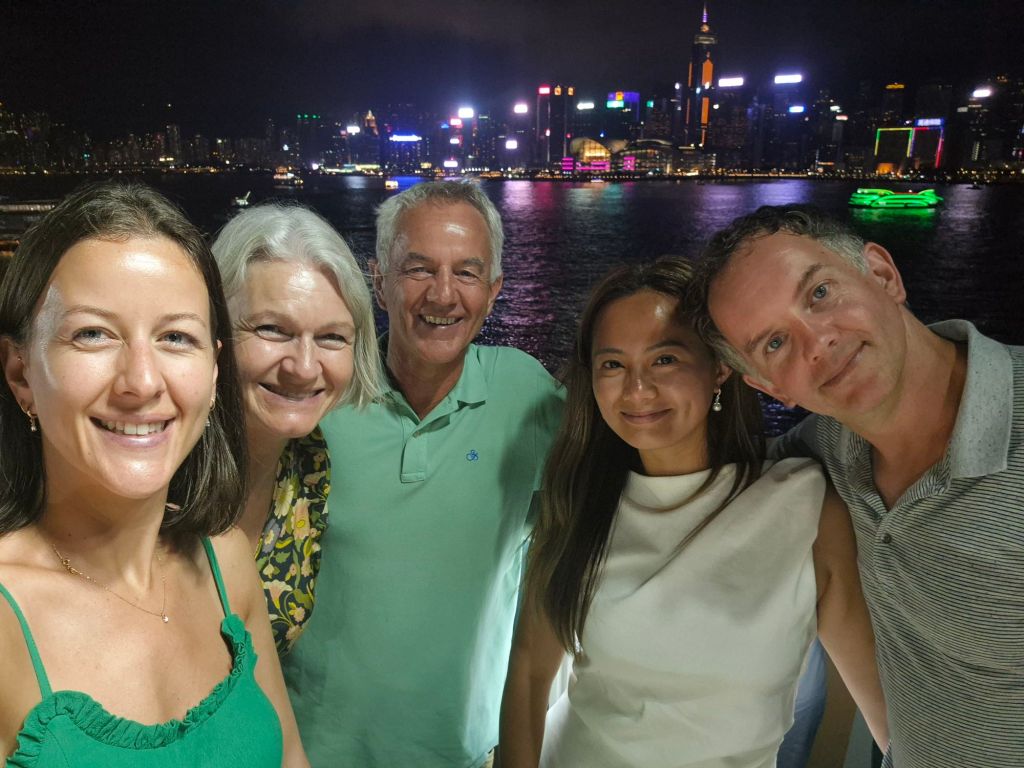
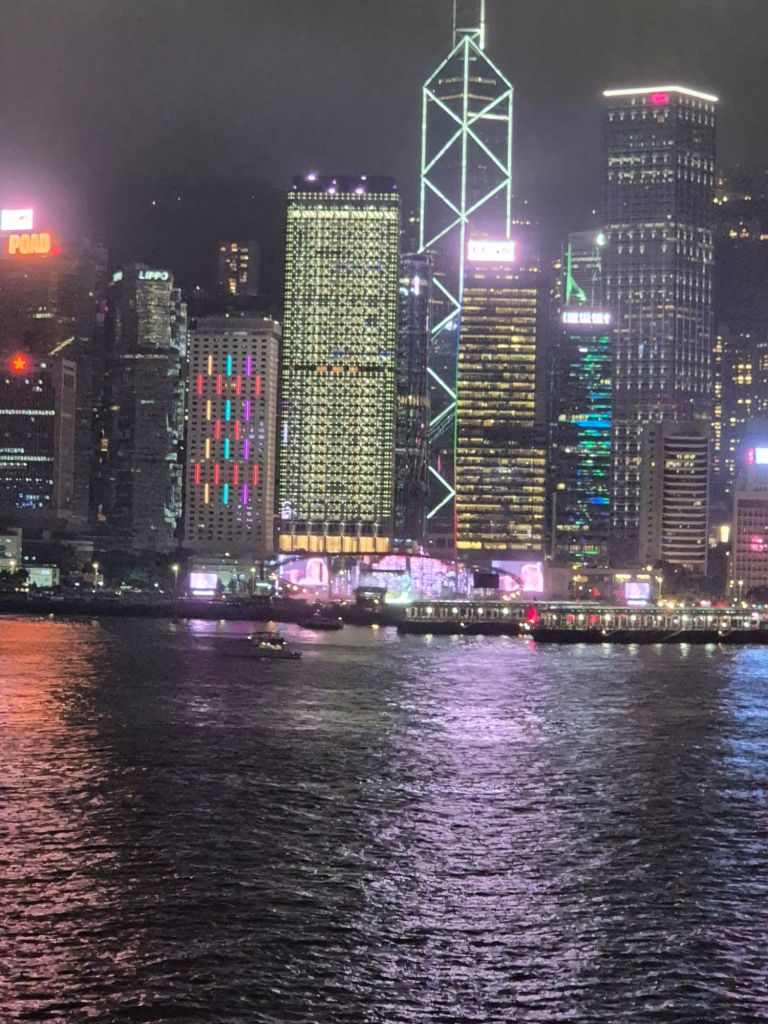
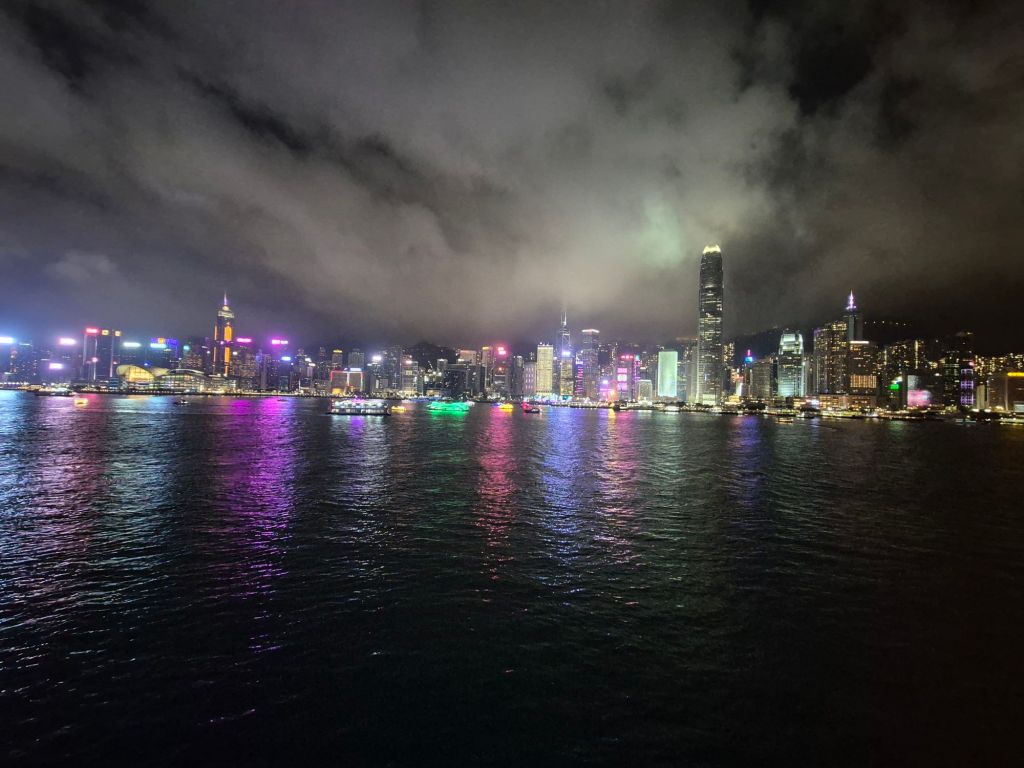
Grace found us a lovely dinner spot where we could see the city turn from day to night and watch the lights come on. I do love HK at night. We watched the light show on the roof, “A Symphony of Lights”. Every night at 8am, a coordinated display of searchlights, lasers, LED screens and many colours light up across the buildings and the sky. It’s very cool to watch. Last year we watched it from a rooftop bar.
Our little boat on the night cruise.All the dinner boats and sunset cruises stop in the harbour to view the show
How lucky am I to spend my birthday here again? I got my tourist fix last year and was able to enjoy a slower paced day in a slightly famliar and very fascinating place. A special to spend with family and to also witness the legal marriage for Jonny and Grace.
It was a sad farewell this morning but excited for J and G who are leaving for a new adventure in a few days. Perhaps I’ll come back for my birthday next year.
Happy Anna
This post is a bit rushed as I board my flight to Beijing. I’m not sure what is and is not allowed in China so if my posts stop, it’s probably that this isn’t.
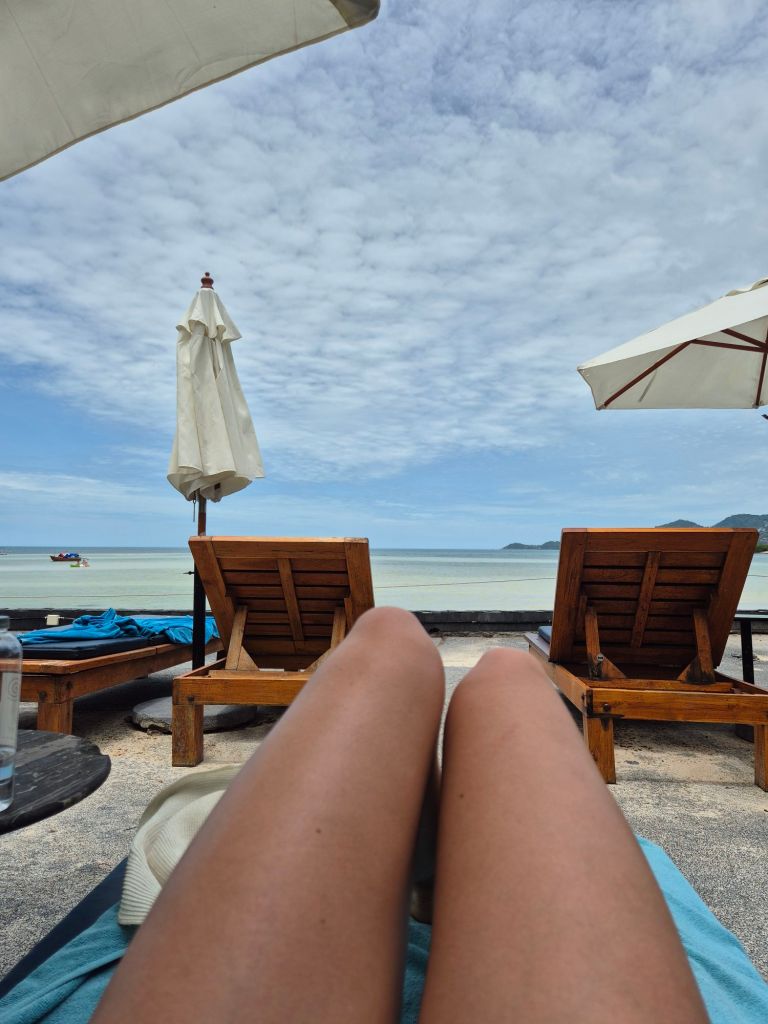
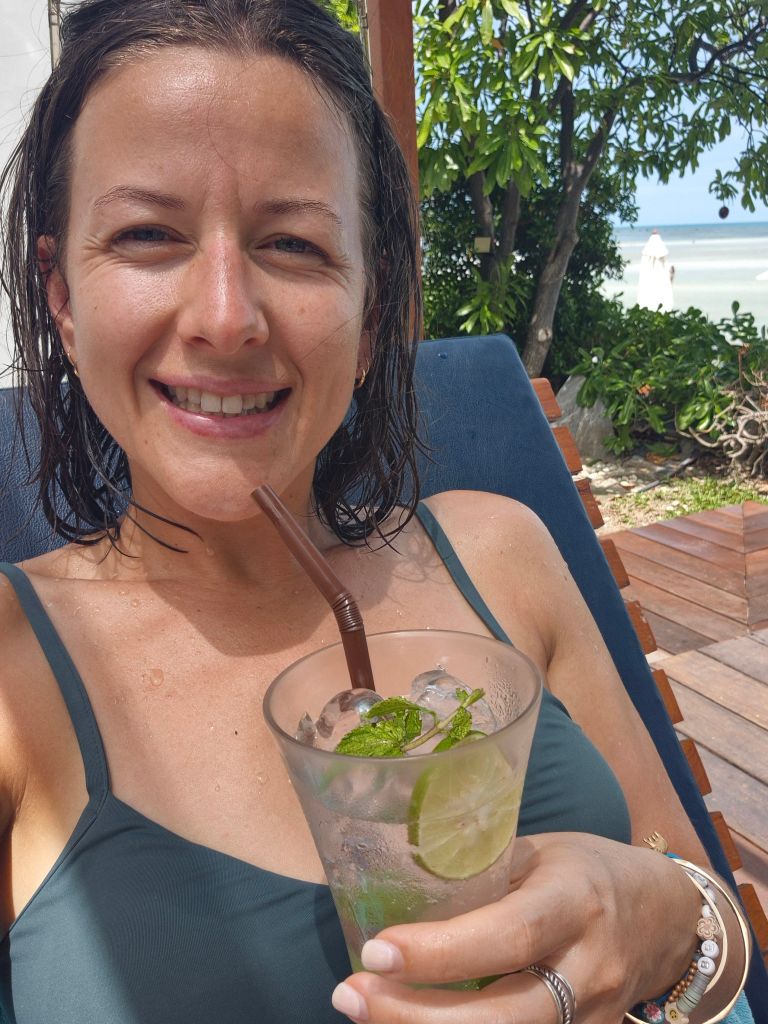
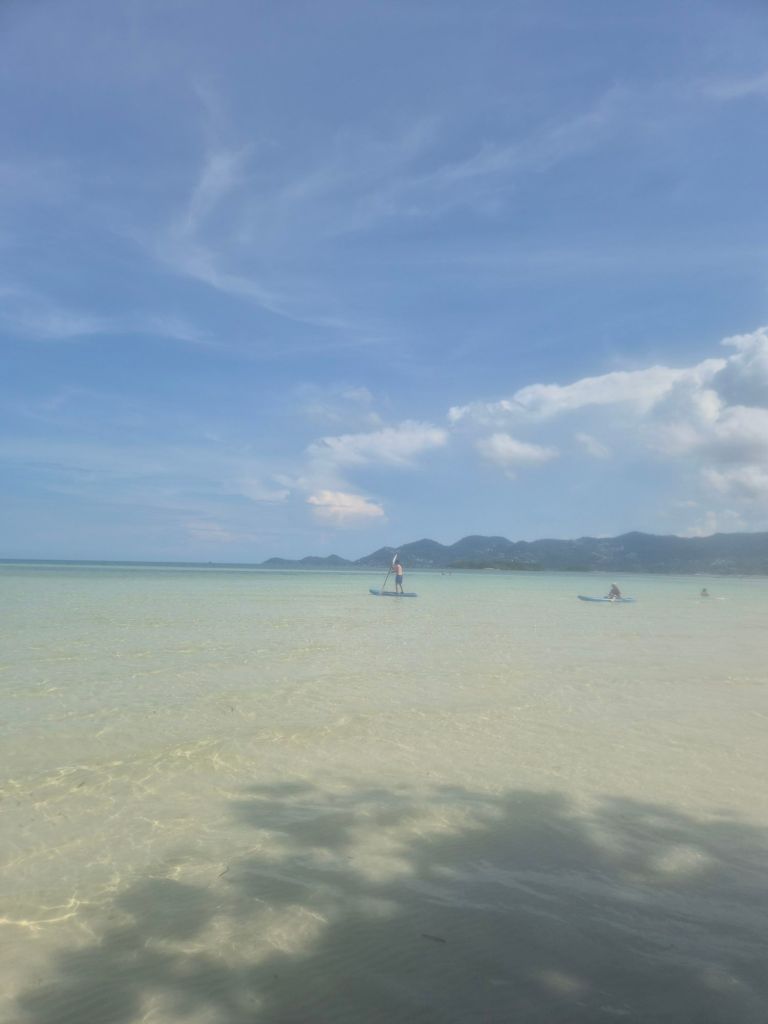
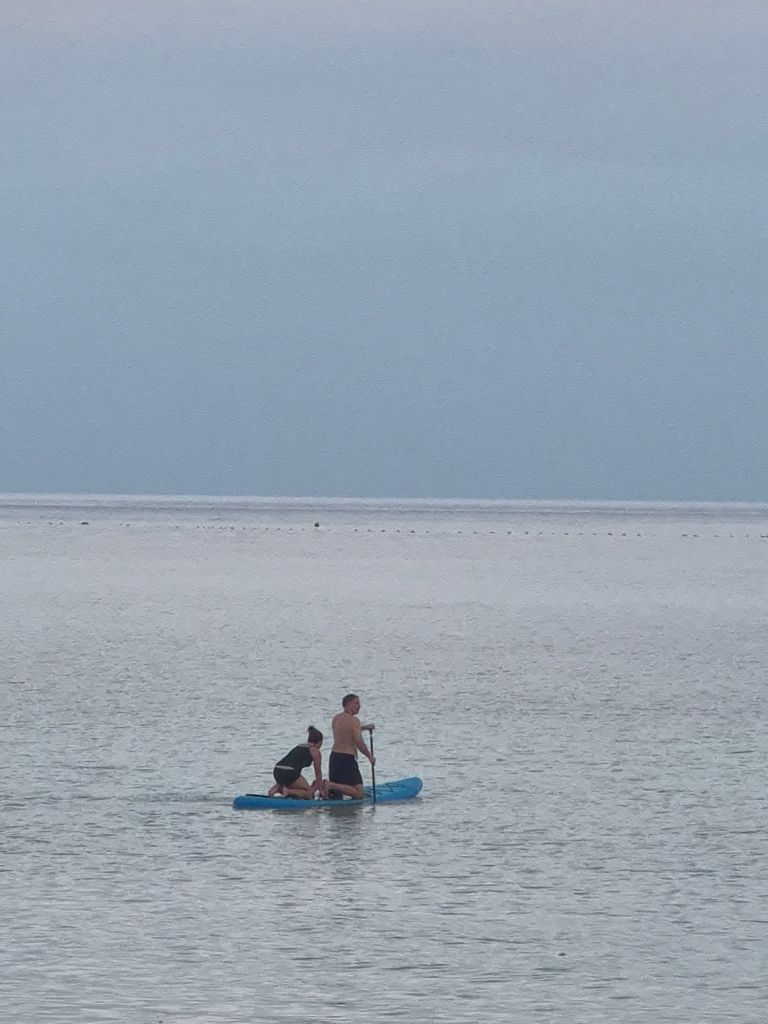
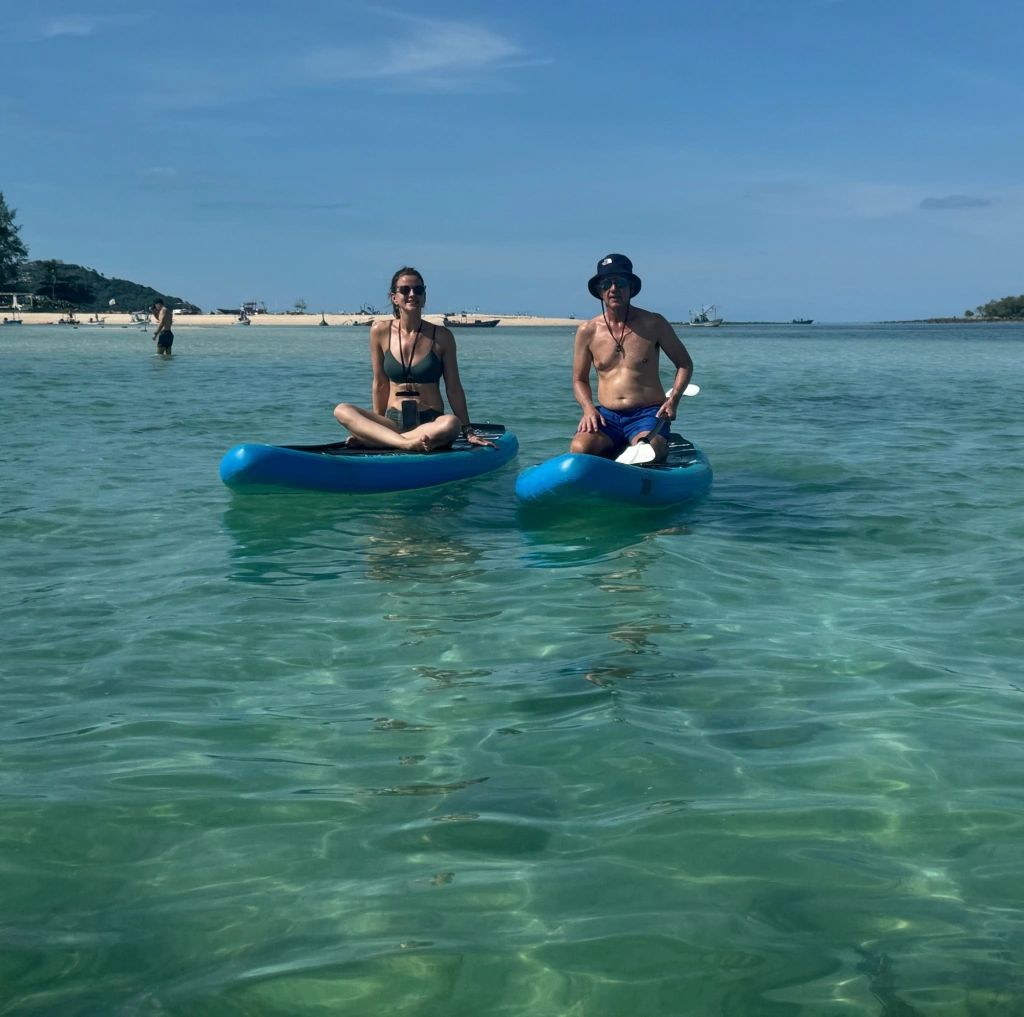
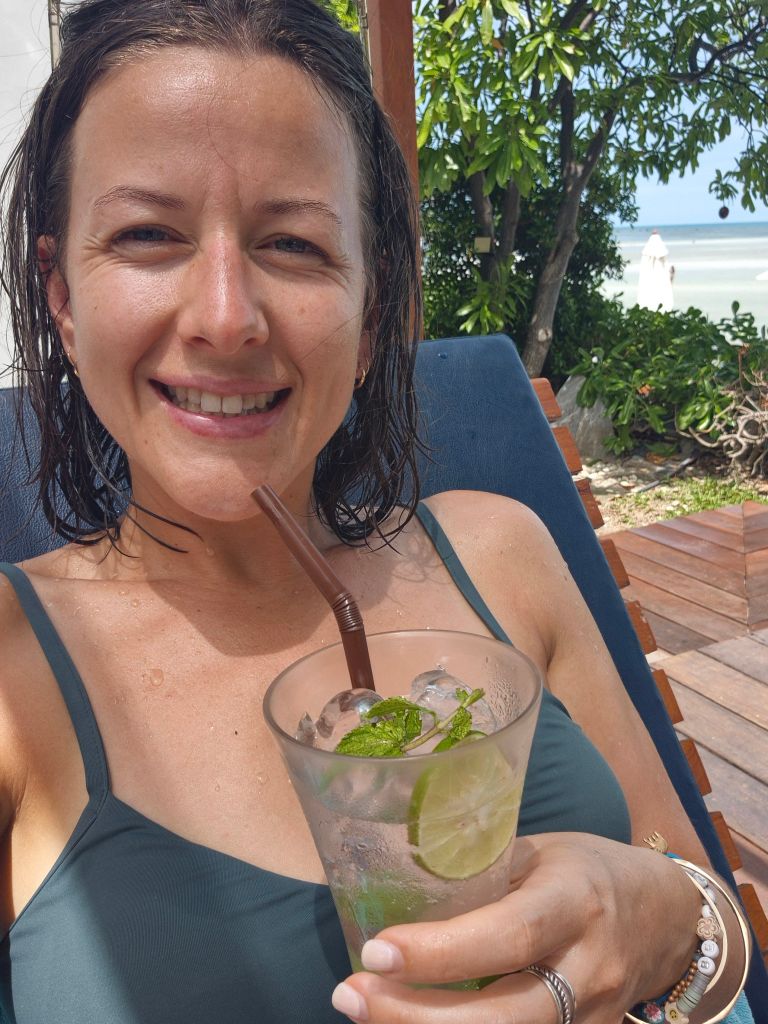
And just like that, my 3 weeks in Thailand is up. My final day was spent enjoying the sun with plenty of swims, stand-up paddle boarding, food and, of course, cocktails by the pool.
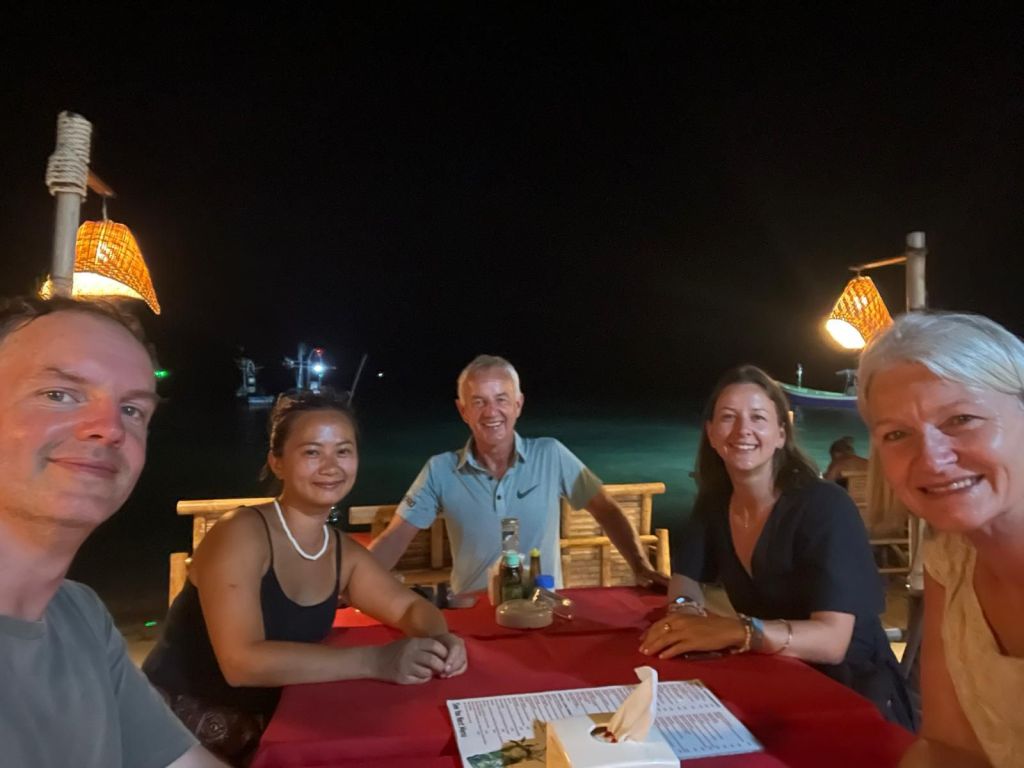
We had our final Thailand dinner on the beach where we went on our first night in Samui. We ordered a whole bunch of veggo Thai dishes to share, followed by mango sticky rice dessert, a new favourite. The vegetarian orders got a bit of a laugh from our waiter, it’s not quite mainstream here. The wine was shite but we got through it like the troopers we are.
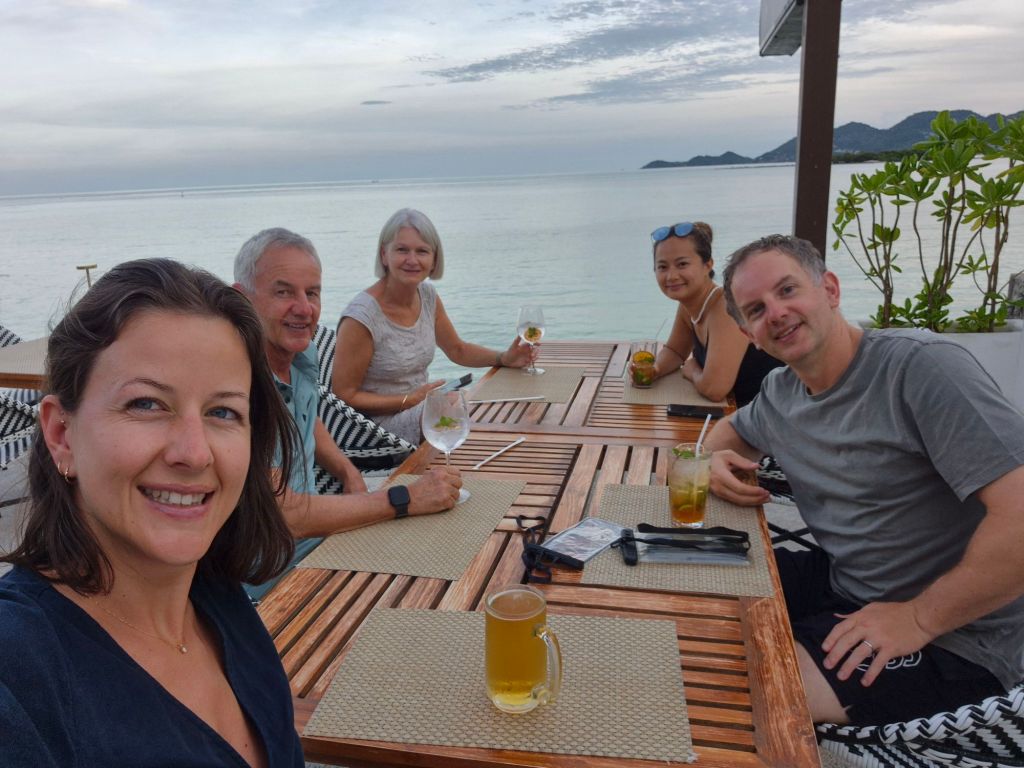
Chasing Happy Hour along the beach
Reflections on Thailand are mostly positive and I would definitely come back here, as there are so many areas yet to be explored. I’ll miss the sunshine, the people and the cheaper cost of necessities (massages, food, beersies, taxis). I’ll miss the crazy storms, relaxing beach days, many swims, boat rides and beautiful views!
And of course I’ll miss the company. Our party of 9 is now 5 and soon to be only a party of 3. Family time is so precious and I hope we don’t have to wait another 5 years to be together.
I won’t miss the dodgey water, bad plumbing or the amount of sneaky steps everywhere that I tripped on most days.
Steps like this. Everywhere! Though barely any of them had a warning strip so we had a lot of trips and stubbed toes.
Onto Hong Kong briefly to witness Jonny and Grace’s official marriage signing before they head off on their next adventure to South America and we move on to Beijing.
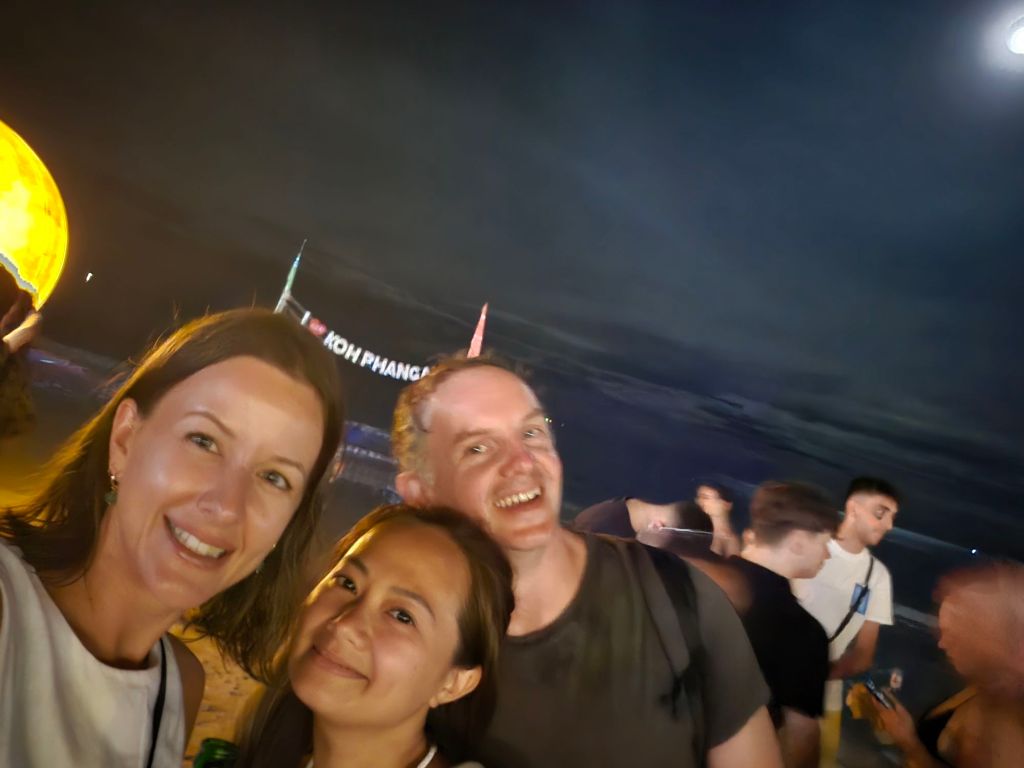
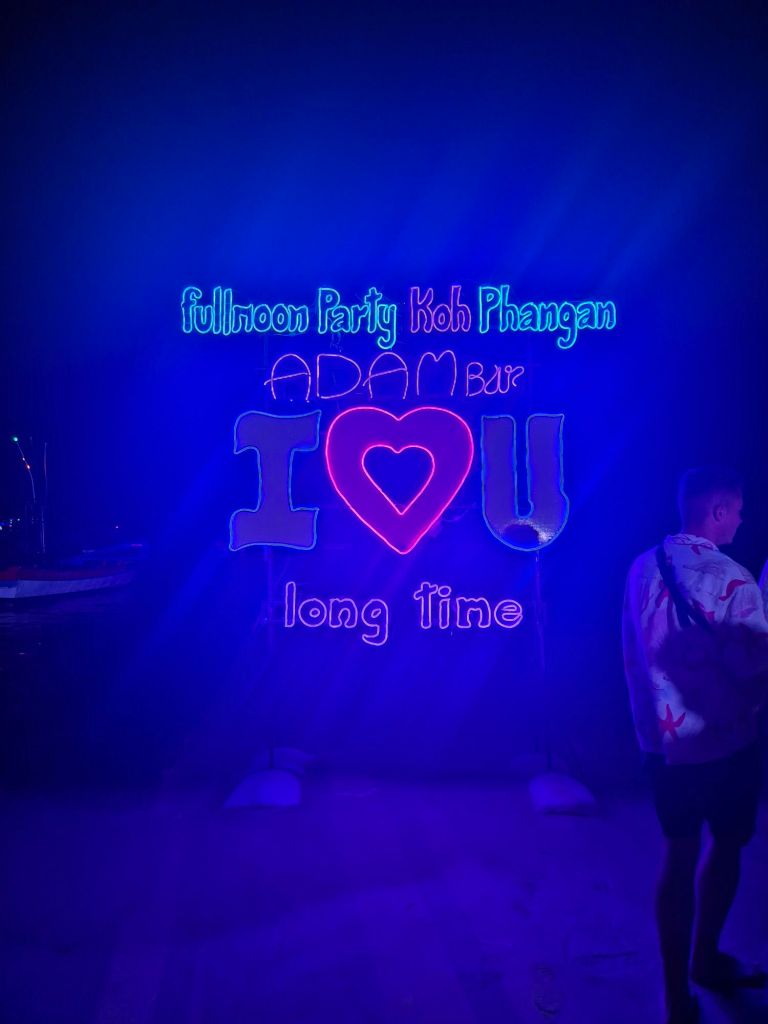
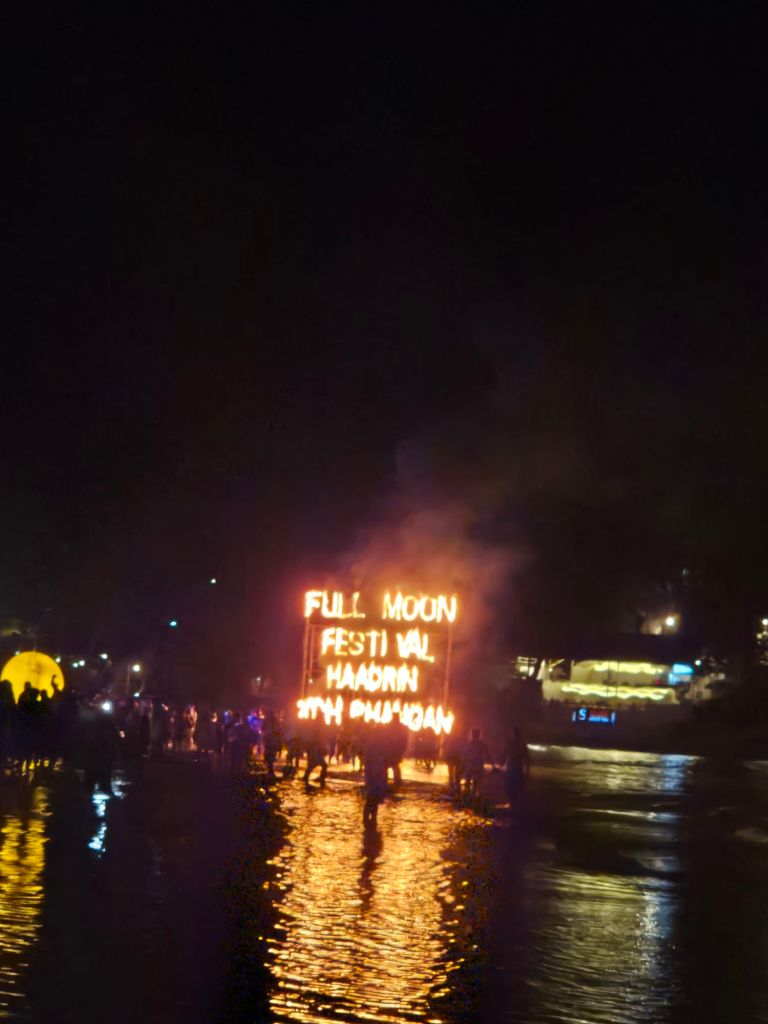
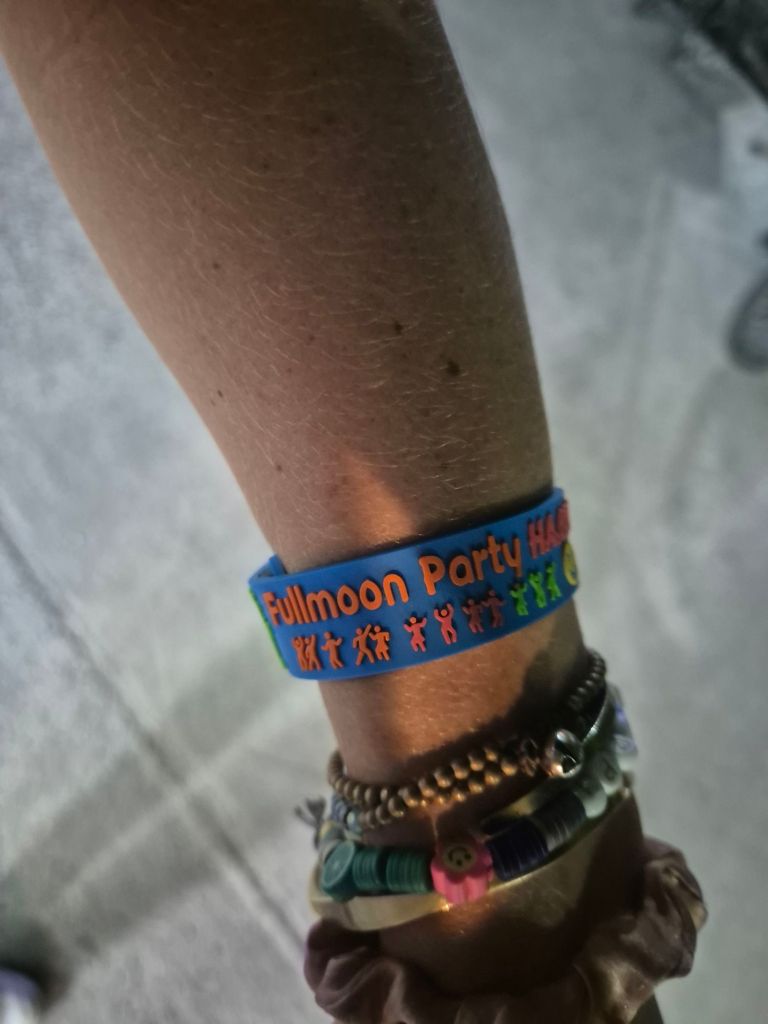
The Full Moon Party began in the 1980s when a group of people came together on the beautiful Hat Rin Beach on the island of Ko Pha-ngan and partied under a full moon. Over time, it became a regular event where once a month, on a full moon, hundreds, and now thousands, of people from all over the world meet on Ko Pha-ngan for one big party.
Our hotel organised a van to drive us about 30 minutes to a boat on a random beach, which took us another 30 minutes to Ko Pha-ngan. It was a bumpy boat ride with some major splashes, and by the time we arrived, I felt and looked like I’d just been for a swim!
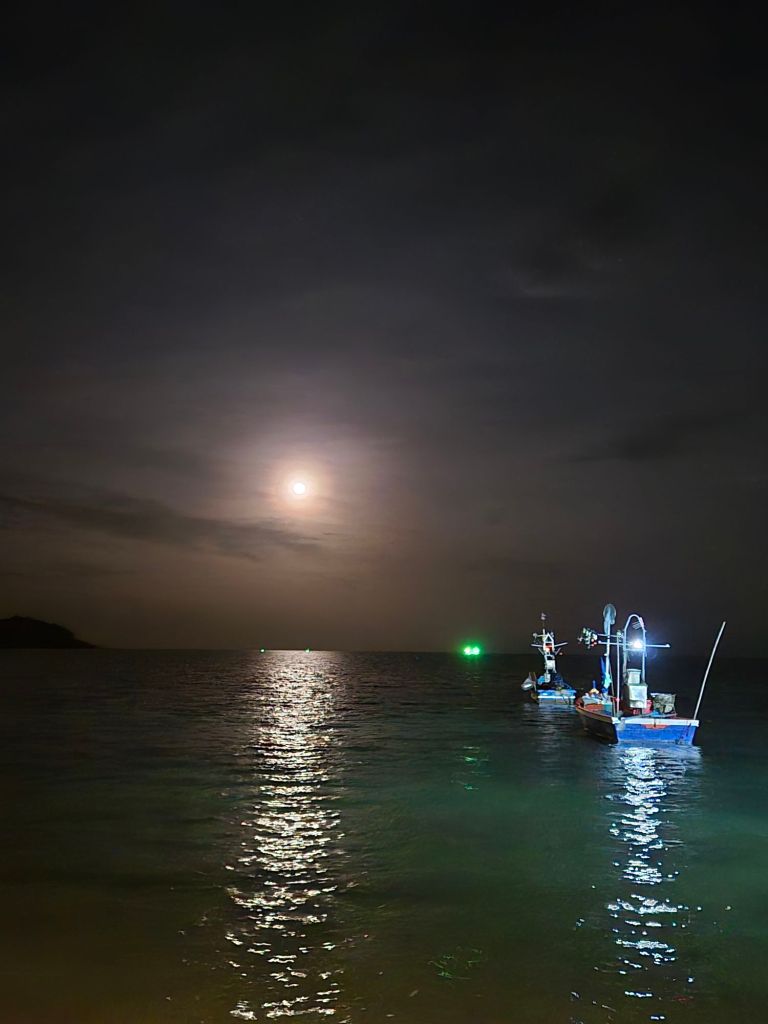
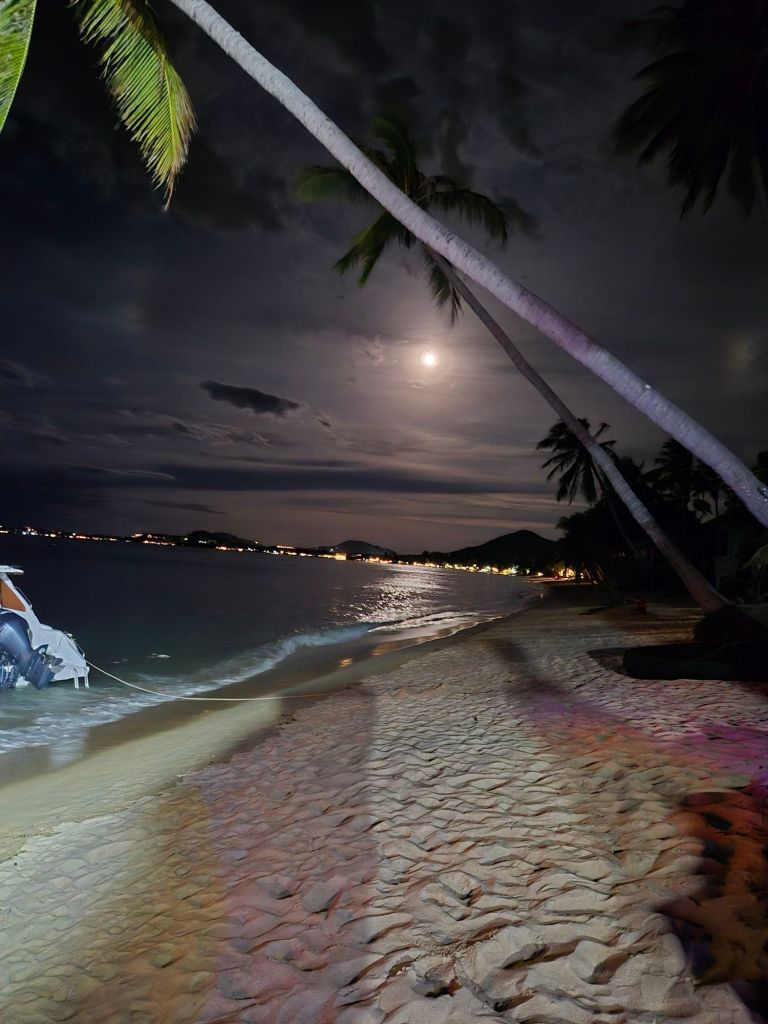
A beautiful full moon at our random boat collection location I had lovely dry, straight hair before this.
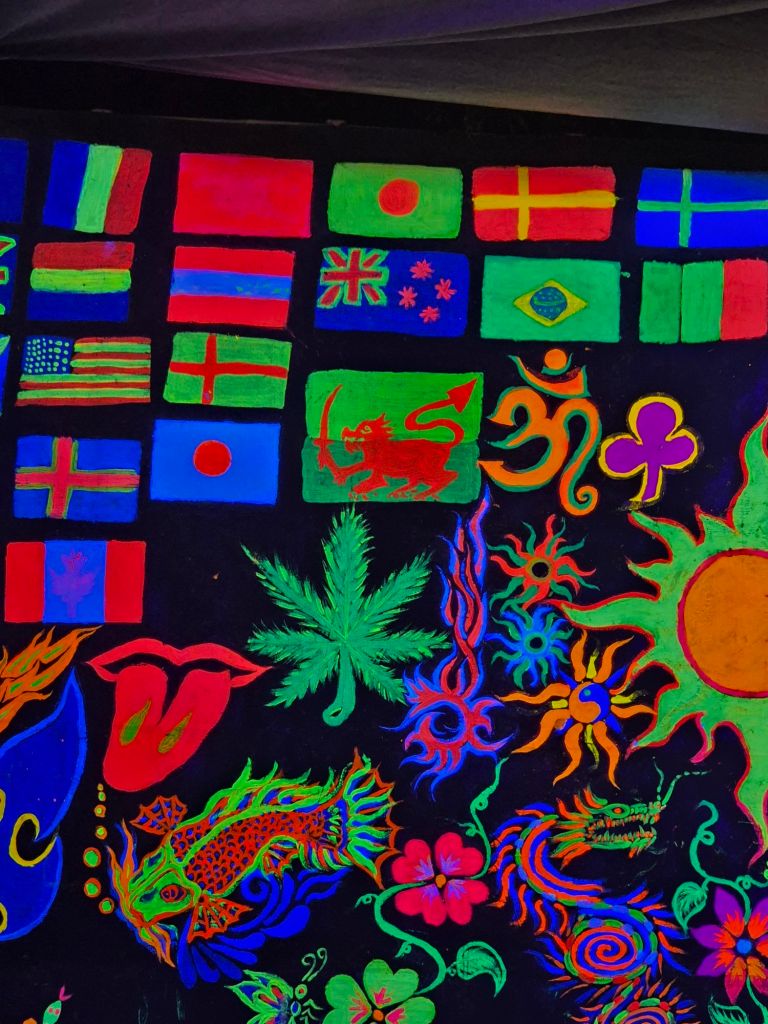
The roads in the town were lined with UV body paint spots and shops selling neon clothes and LED flashing hats/glasses/jewellery. It was tempting to spend silly money on all of these things but sensible Anna thought the better of it, mostly because it seemed like something I’d forget to wash off before I got into bed, but also because more money for beersies and buckets.
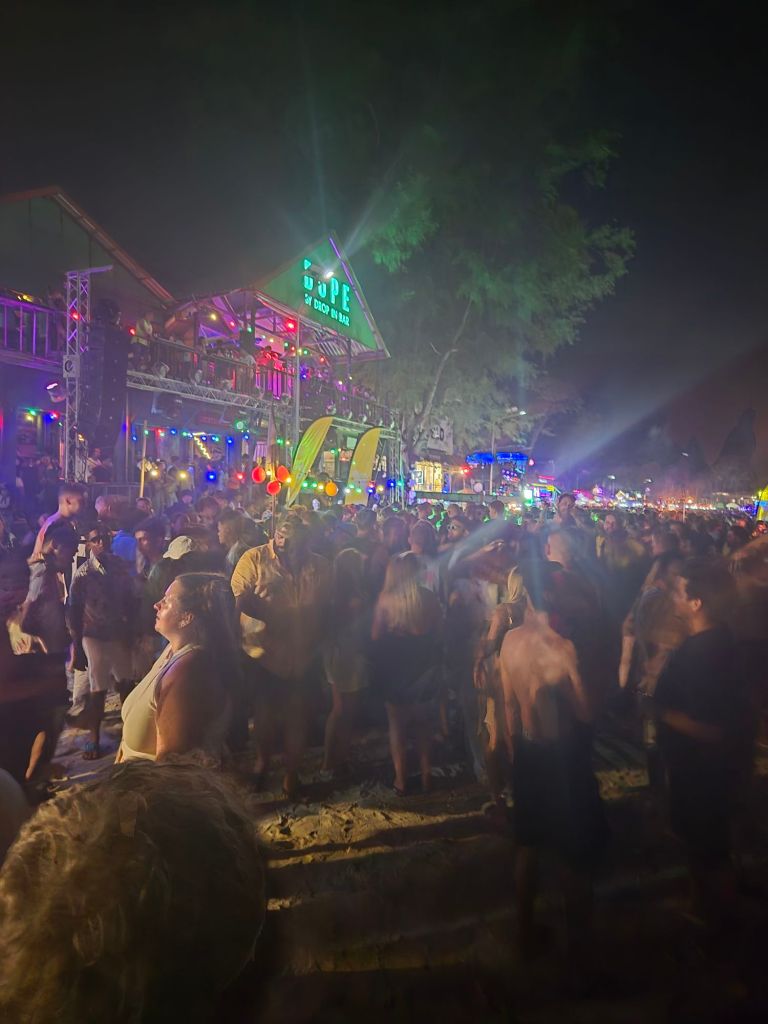
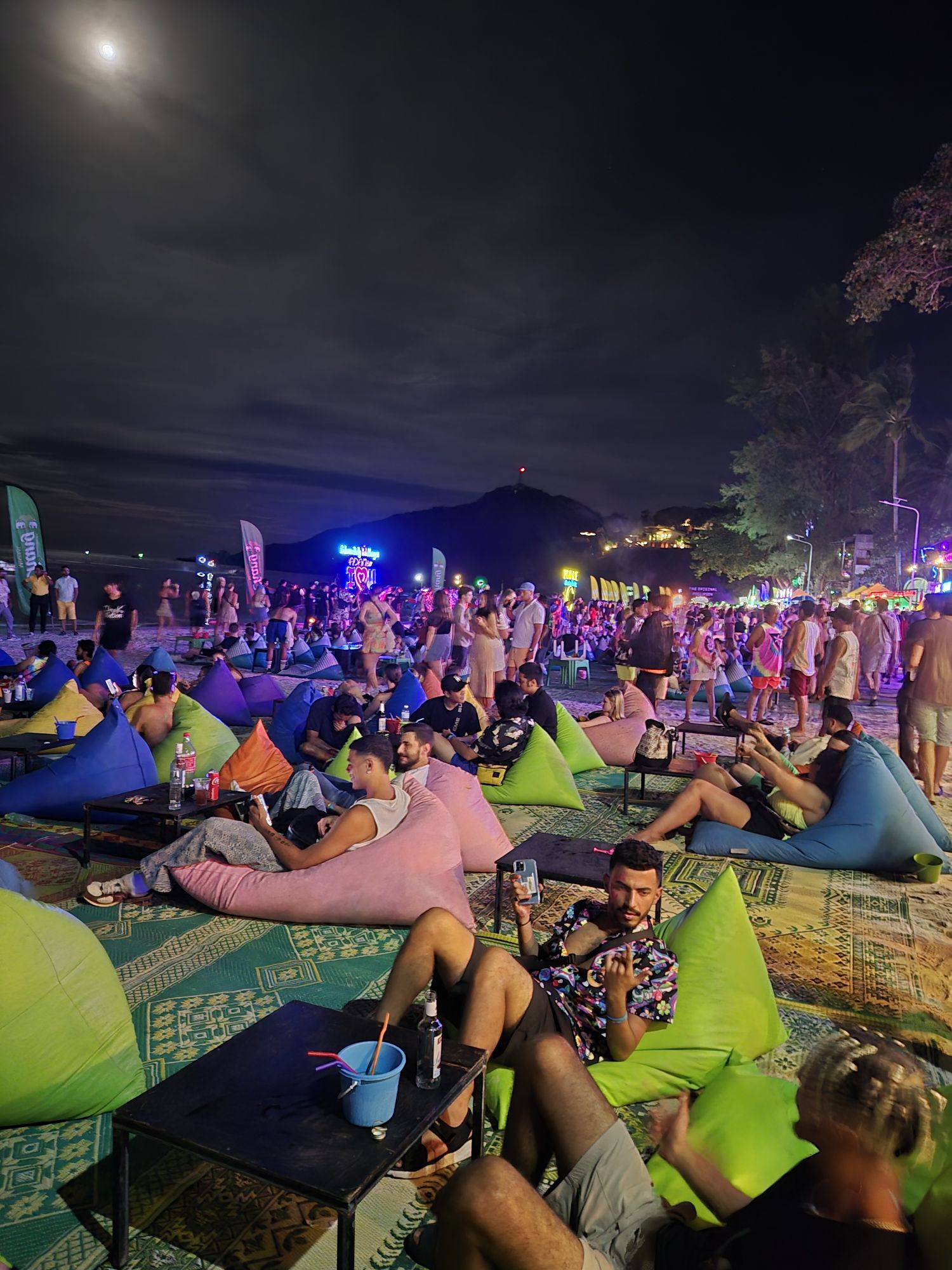
The moon looked way better in real lifeThe beach went on and on with bars and crowds like thisThere were a lot of fire signs over the night.
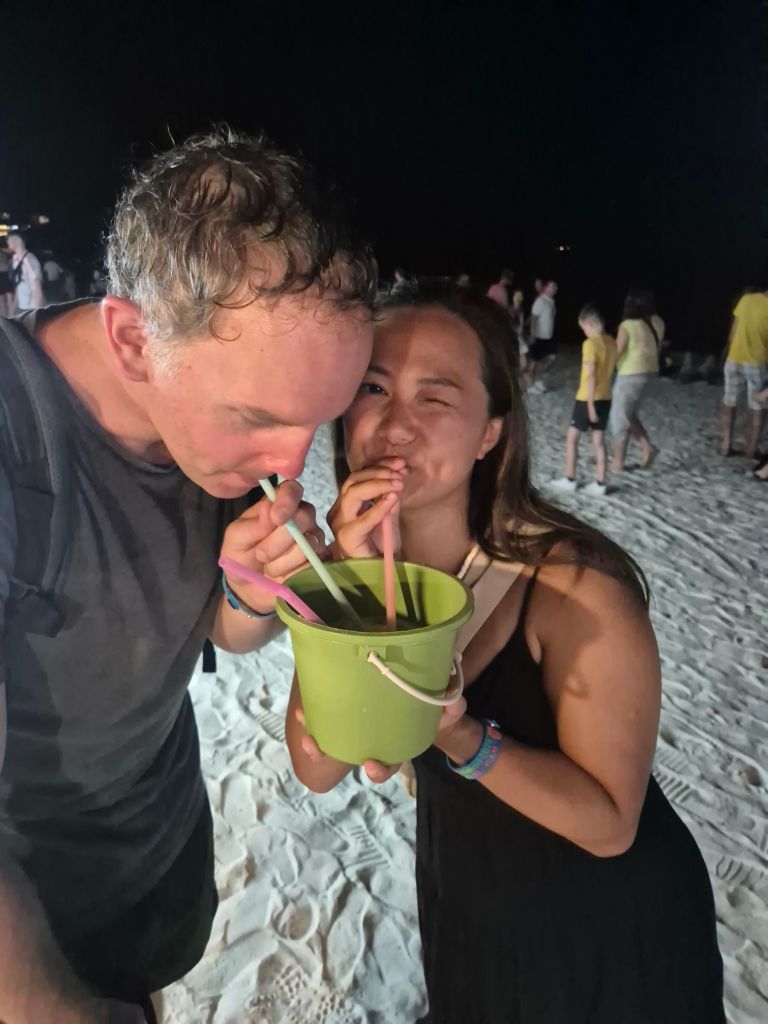
Buckets are a thing here. For 300-500 baht ($15-25 ish) you can get a cocktail in a bucket. A bit sketchy and I’m not convinced it was always what they said it was. I made Jonny watch the guy make mine to be safe, but we had to get a couple of them, right? When in Rome.
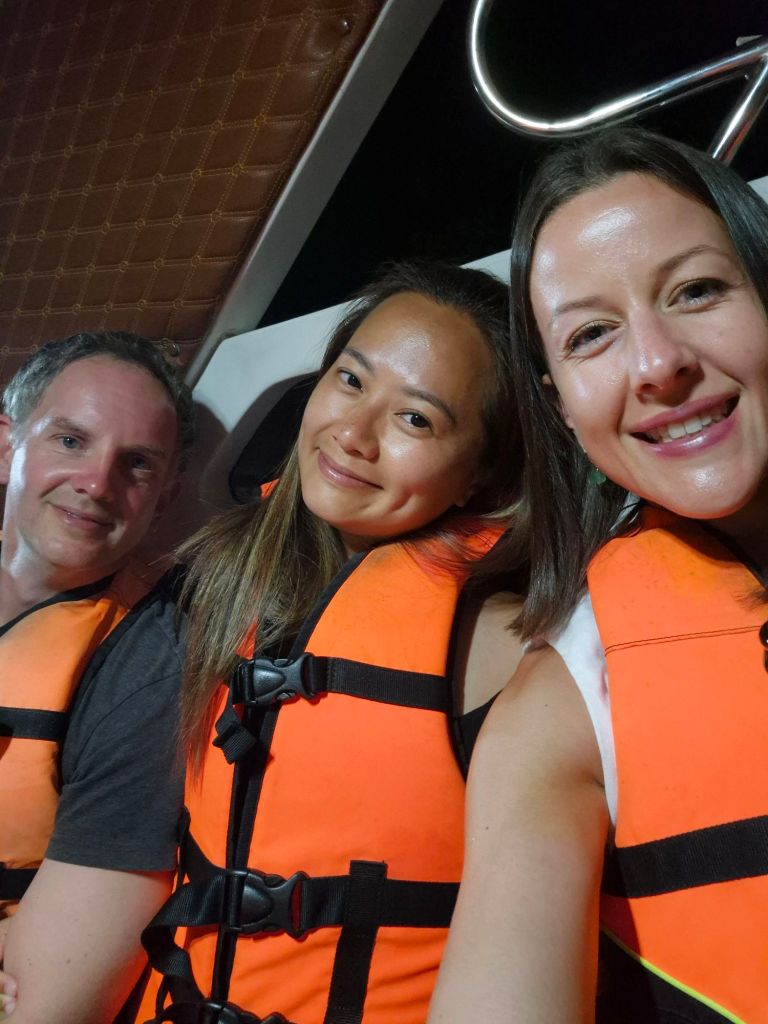
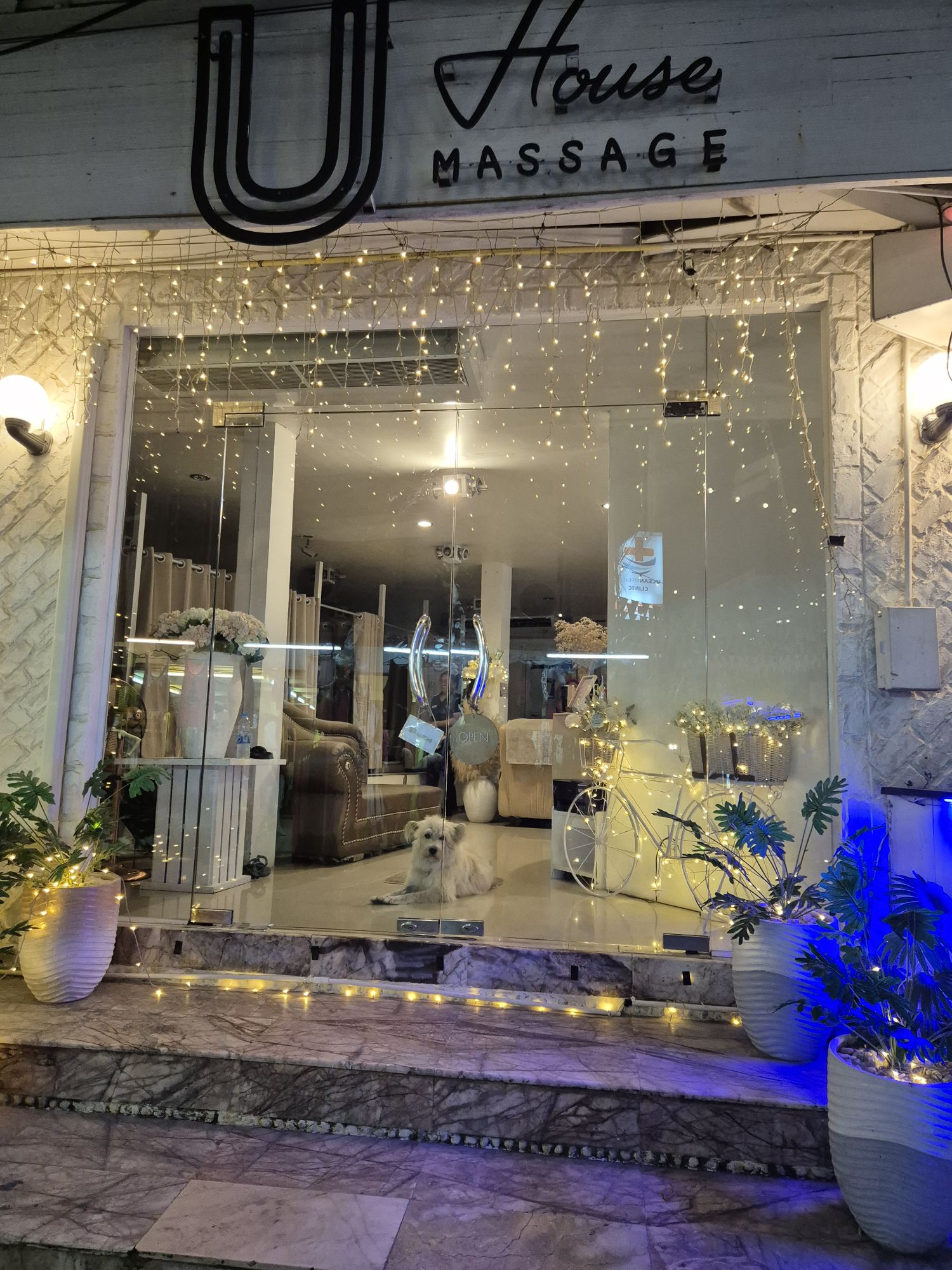
Pina colada bucket Party lights on the boatBefore the water got us!Relaxing massage places were a contrast to the chaos on the street. Funny sign in the toiletThere was a cat cafe also.A quieter section before the beach.Body paint options An interesting Kiwi flag
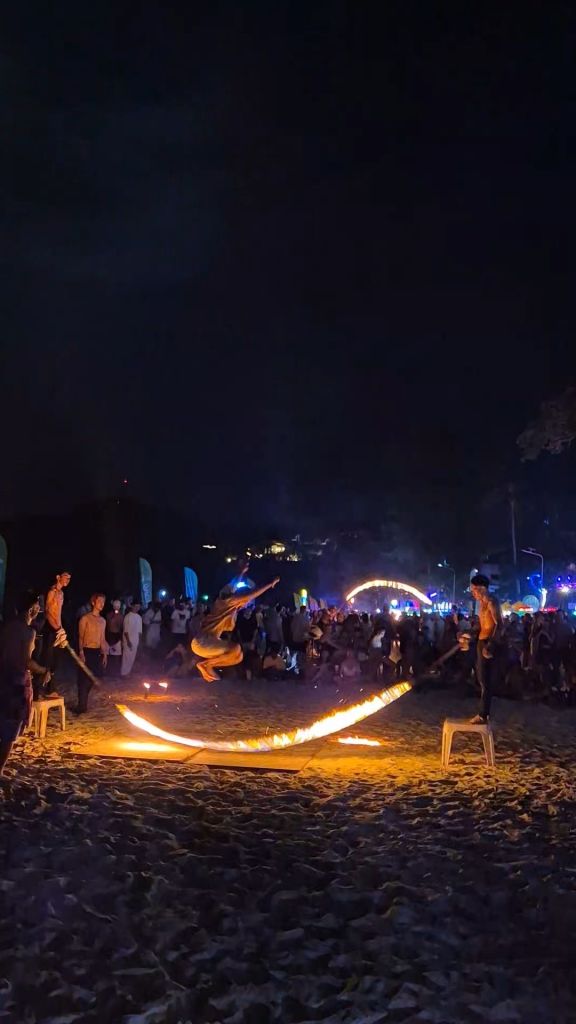
As the evening went on, the beach got more and more packed. Every beach bar had a DJ blaring something different, and there were fire and light displays in every direction. It was actually a lot of fun and it paid to just become one with the chaos.
Anyone could have a go at skipping the fire ropes. I did not try this.
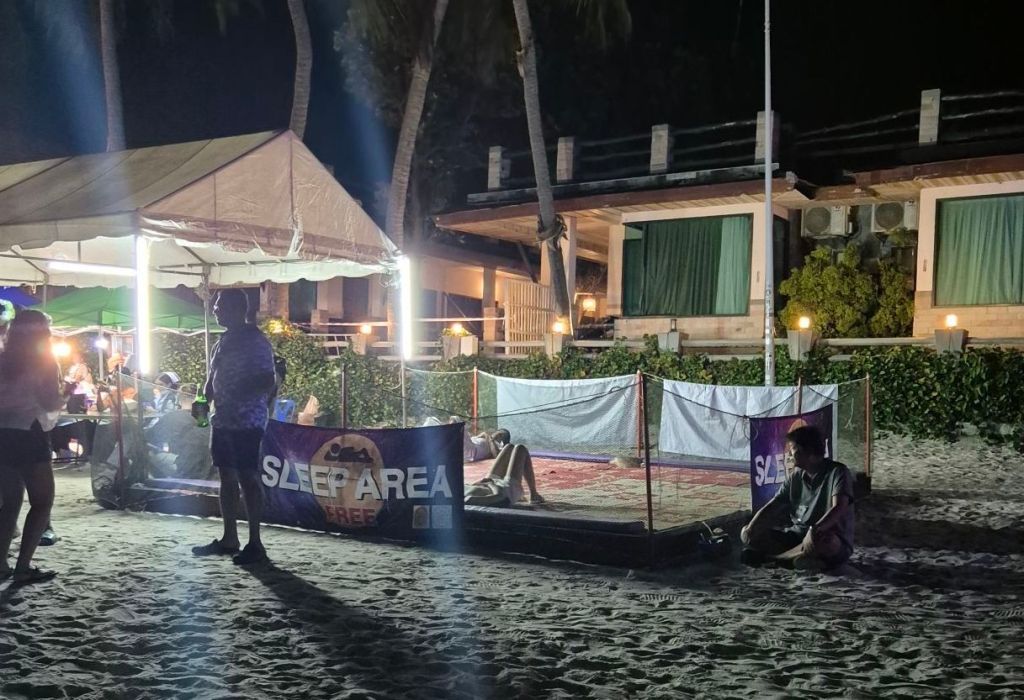
The average age was probably 25, but there were all ages from children to 70s, so I didn’t feel too old. It was a very well organised event for the most part, rubbish bins plentiful, heaps of food stalls, and even a safe sleep zone for those who needed it.
Sleep area
The earliest return boat was 1am, which we managed to miss. So back on the 2am boat and in bed by 3am. Not bad for this Nana.
The next day was a bit of a slow start, but I’m stoked to feel mostly alive. Most of my day was spent swimming, reading, napping and enjoying cocktails by the pool. A perfect final day in Thailand.
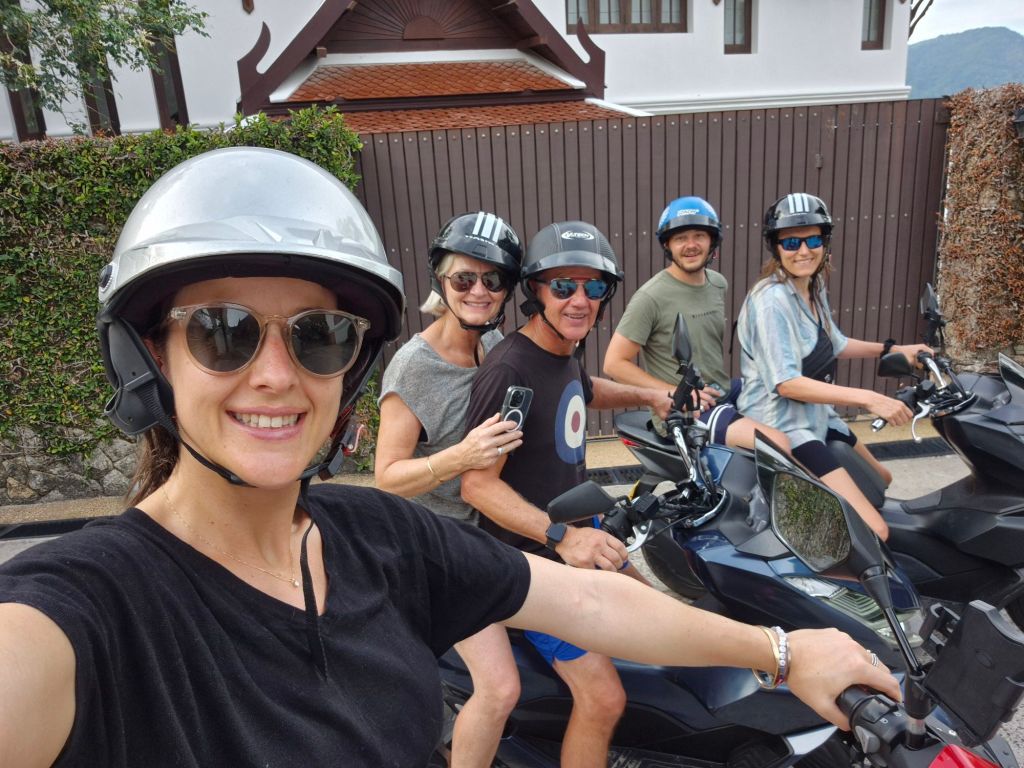
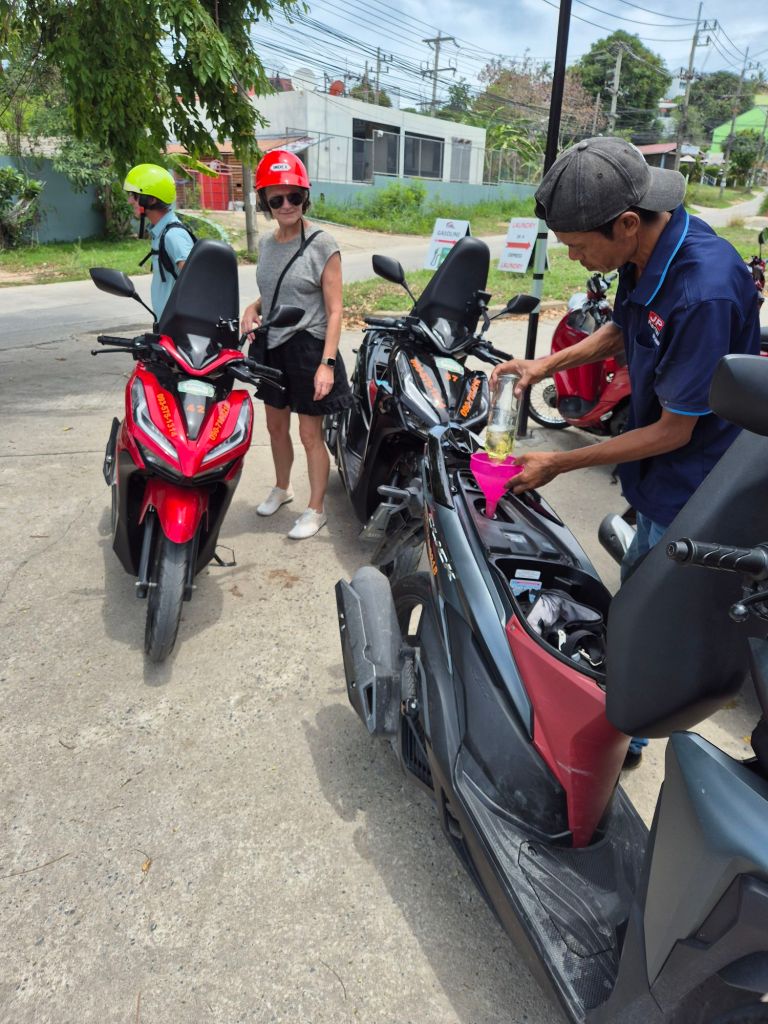
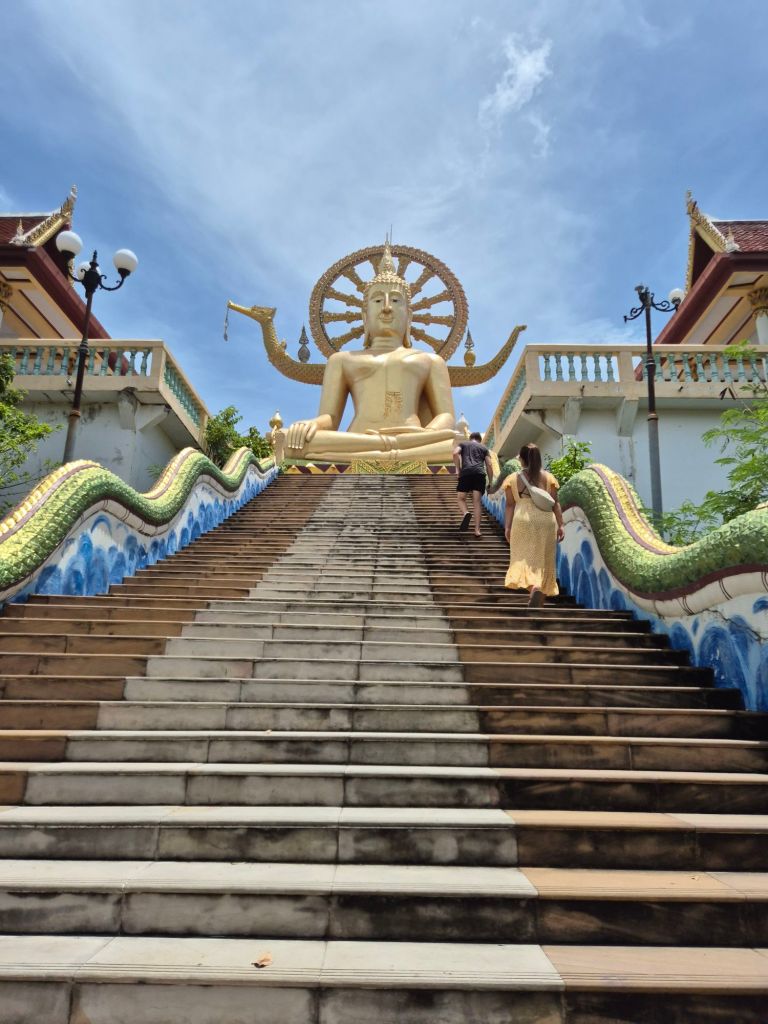
Today we hired scooters for some island exploring. We didn’t really have a destination in mind, just wanted to go for a drive. Scooters are fun! Really fun. Highly recommend. Easy ish to navigate traffic and a cheap way to get around. We ended up finding Wat Phra Yai, the Big Buddha Temple, which is actually on an island connected by a 3km causeway. It was free to visit.
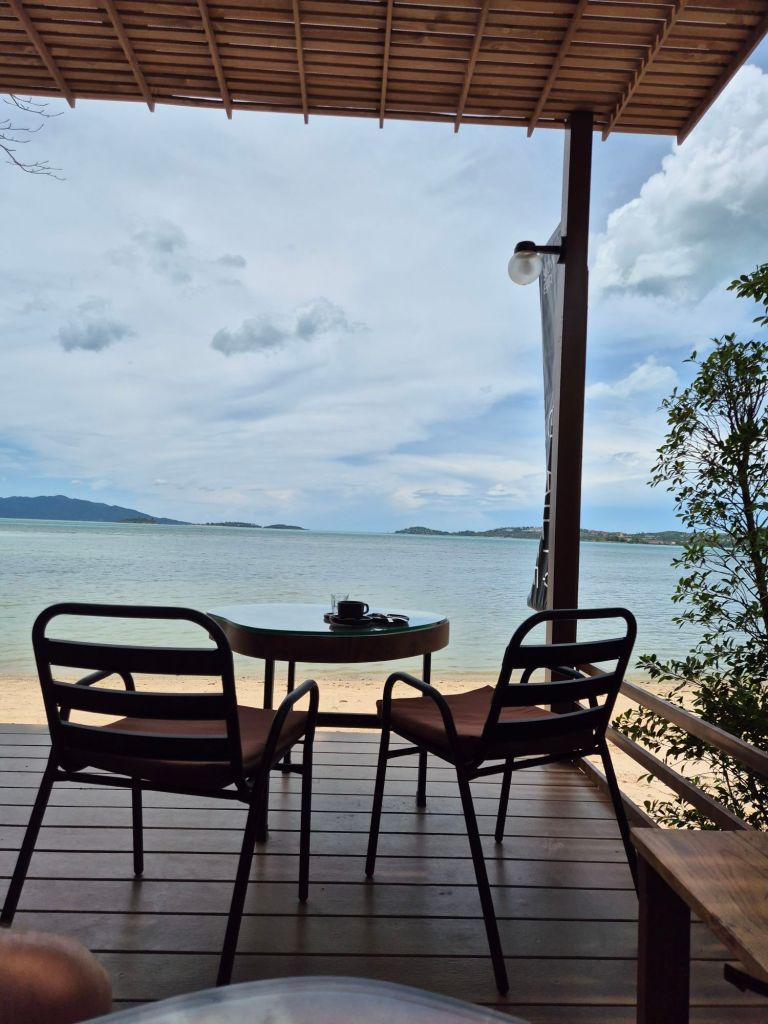
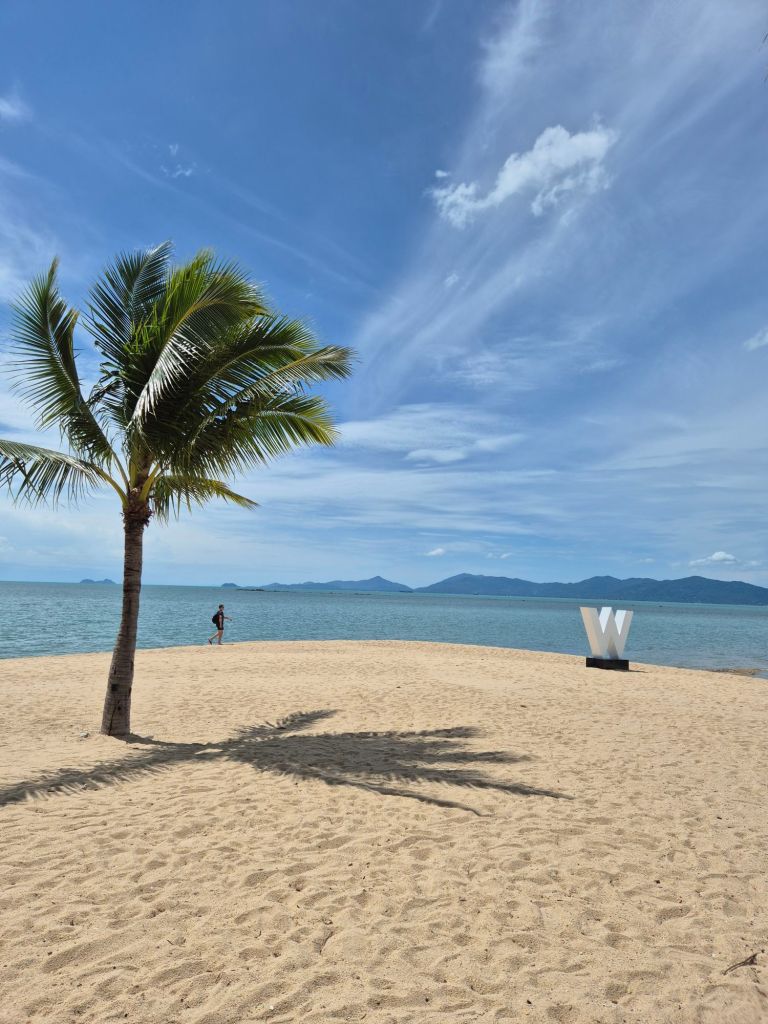
Filling it up with gasoline from a bottle for $2Wat Phra YaiErawan at the Buddha Temple Mama in her racing redCoffee shop views W BeachMaking the most of happy hour
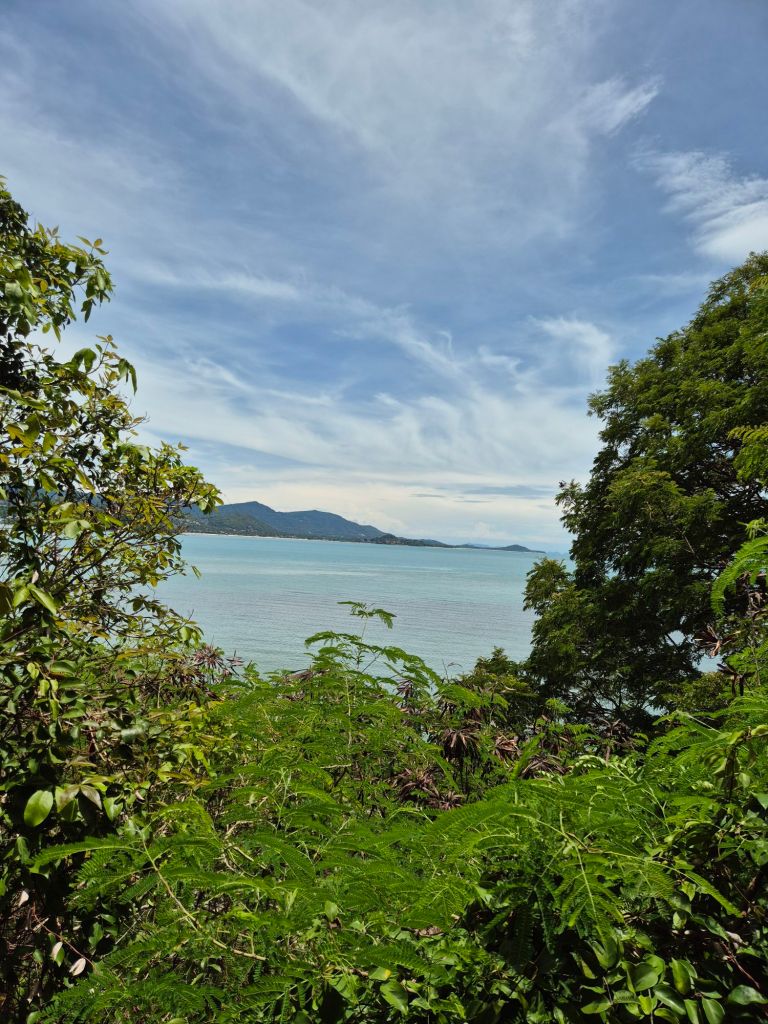
This Buddha is 12m high and gold-painted. He was built in 1972 and apparently depicts a state of calm, purity and resolve. He had a good view of the island, so we wandered around here for a bit.
We then found a “specialty coffee shop” with a lovely view of the beach and enjoyed coffee and cake here before getting back on our bikes to find a beach. We found a beach next to the fancy W resort, but after getting in, we realised our beach was nicer so didn’t stay long.
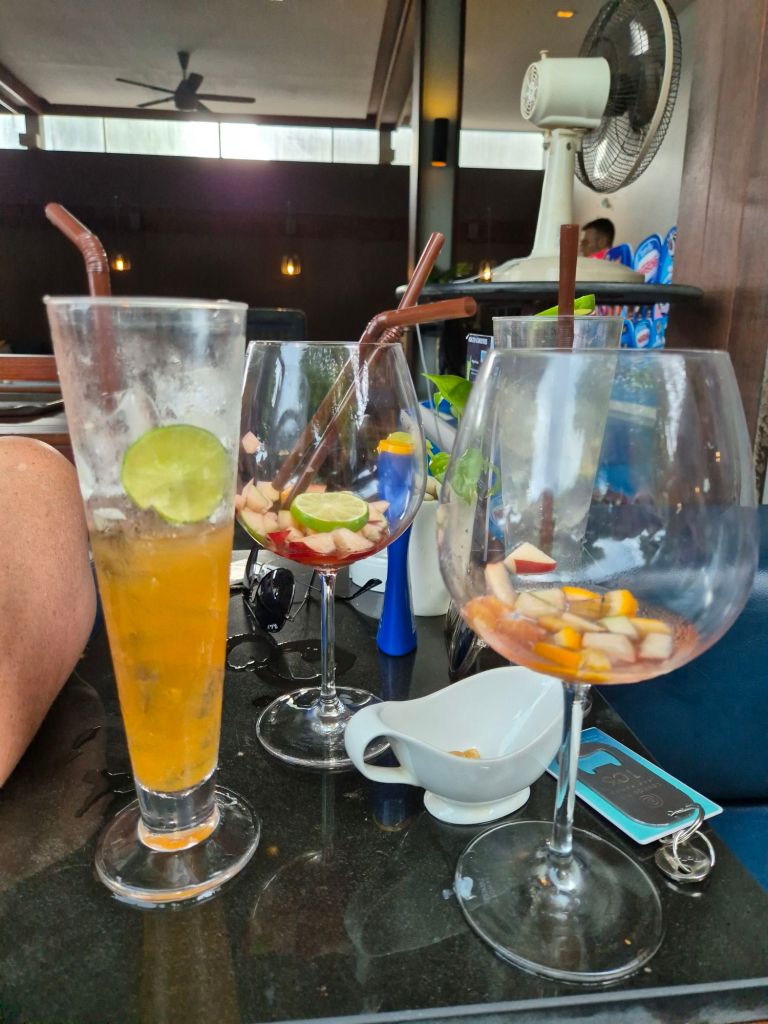
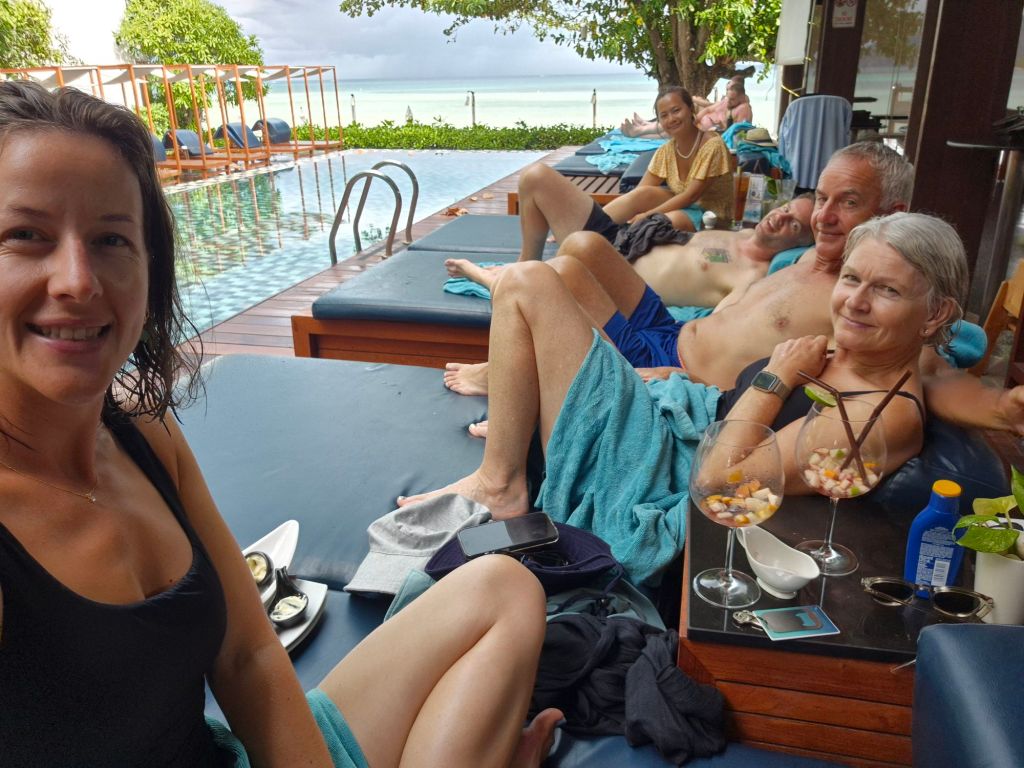
Happy Hour by the pool
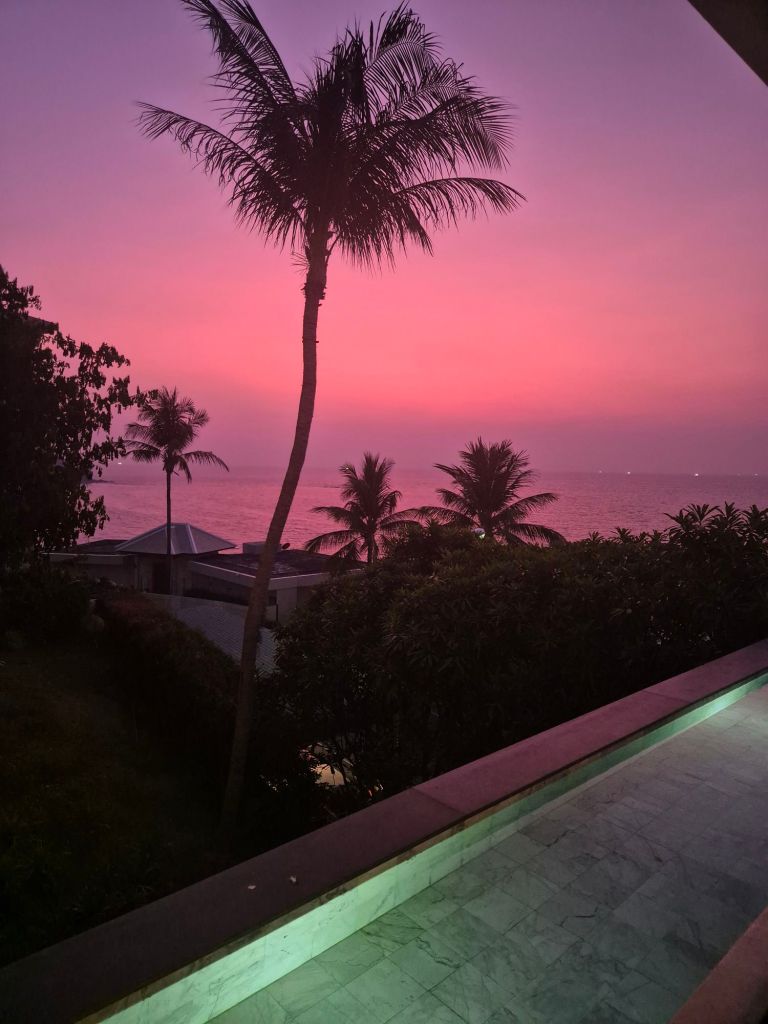
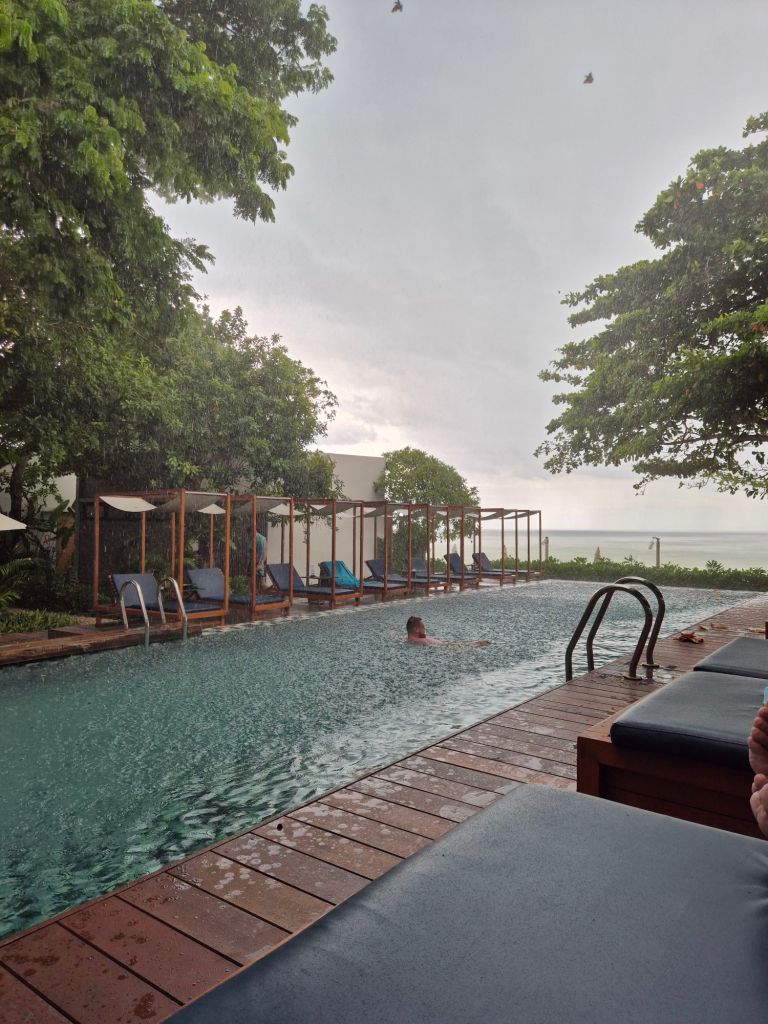
The rest of the afternoon was spent hanging out by the pool watching squirrels and storms before getting ready for the big event, The Full Moon Party, deserving of its own blog post which I will attempt once I’ve recovered.
Not cold but crazy rain. Lasted ~30min.Mama took this shot!









































































































 A Small Adventure