Over the last few days we’ve visited a number of Beijing tourist spots which has given insight into the depth of history here. Over 3000 years worth! Far too much to understand in a few days and way too difficult for me to articulate anything educational at this time. Being the end of the adventure with my brain being a bit mush and our guide’s average English, I had to rely on Google a bit to understand what I was seeing. There were also very few English signs around these spots despite them seeing tens of thousands of tourists per day! My brief understanding is as follows.
Throughout China’s long history, various dynasties (family groups that ruled the empire) rose and fell. The period when a particular family ruled is known as a dynasty.
Dynastic families often remained in power for hundreds of years until they were replaced by another powerful family group. The throne was passed from father to son.
China has had 13 major dynasties. The final dynasty, the Qing dynasty, ruled from 1644 to 1911 and was relatively stable until the 19th and 20th centuries when there was increasing conflict with Western powers. In 1911, the last of the Chinese emperors stepped down. The reasons behind this and the events that have happened since are too complex for me to understand right now.
Safe to say, I have a bit of research to do and this may be corrected later. Main highlights below.
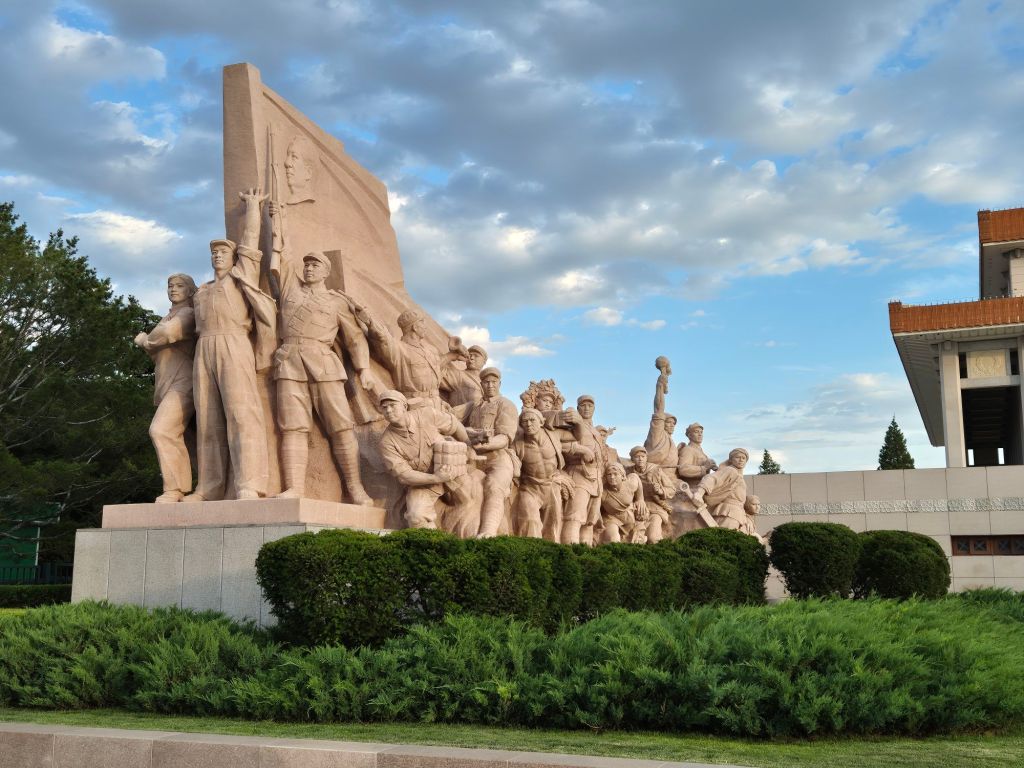
Tiananmen Square
In 1949, Mao Zedong proclaimed the People’s Republic of China in Tiananmen Square. Since then it has been a national symbol of cohesion and prosperity of China. It is a massive space of 440,000 m2 and can hold one million people. A lot of history has occurred here, including the internationally known 1989 protest and massacre, (known locally as the June 4th incident), which led to the death of over 300 protestors fighting for freedom of speech and the end of corruption within the commuist party.



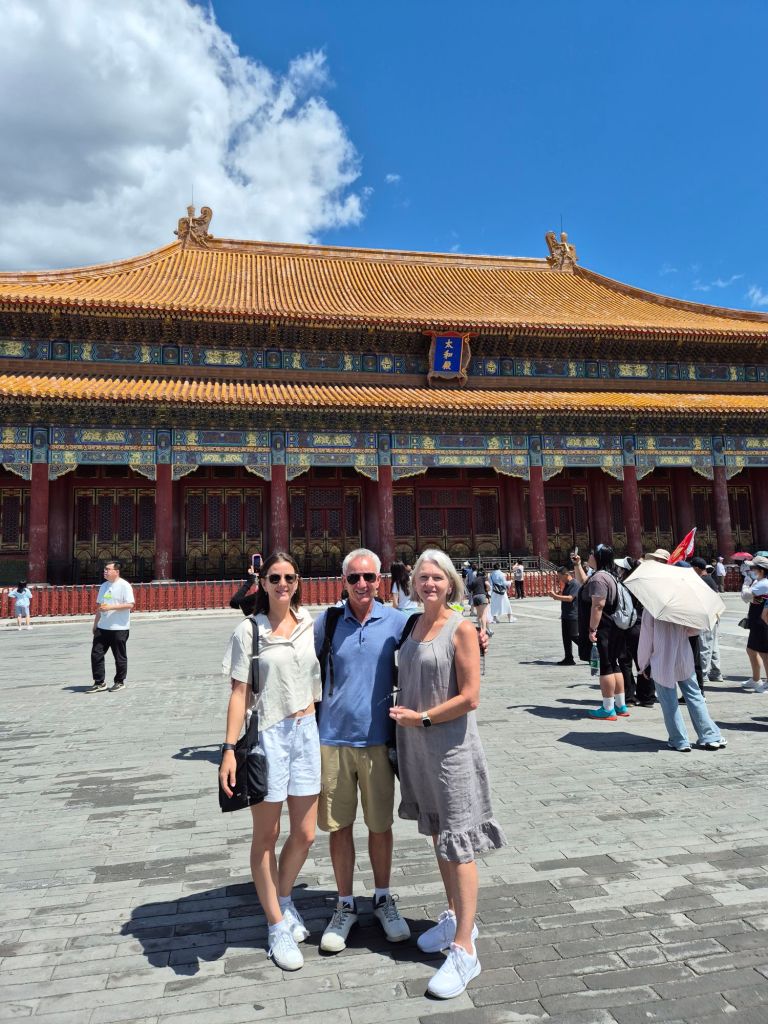
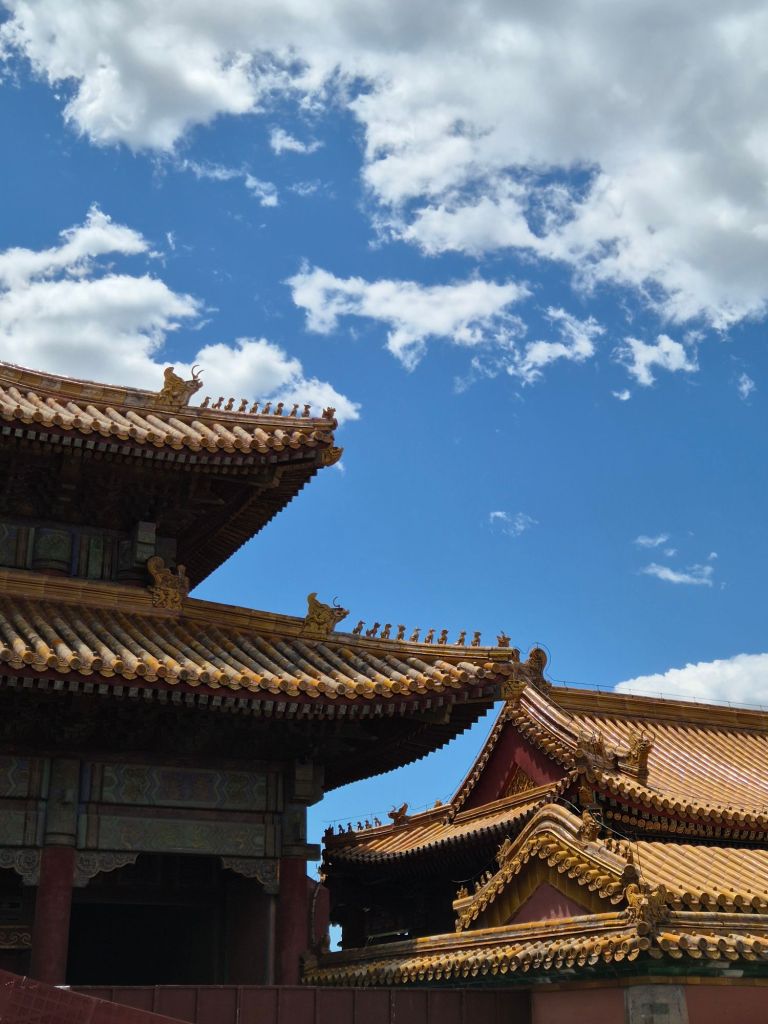
The Forbidden City
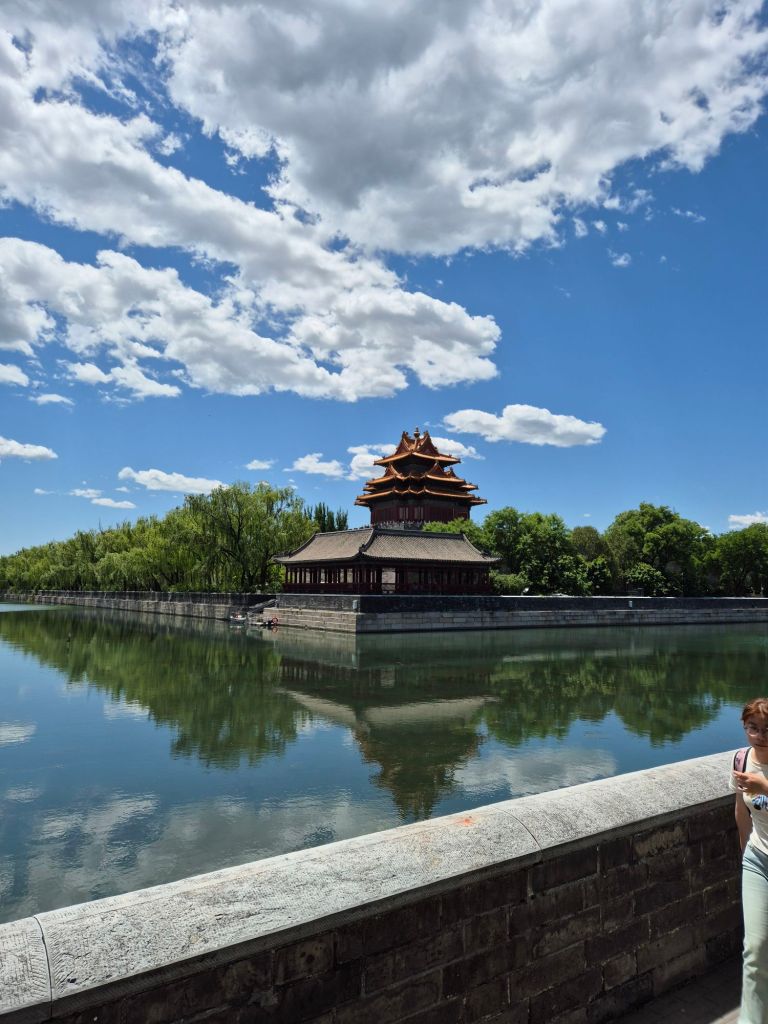
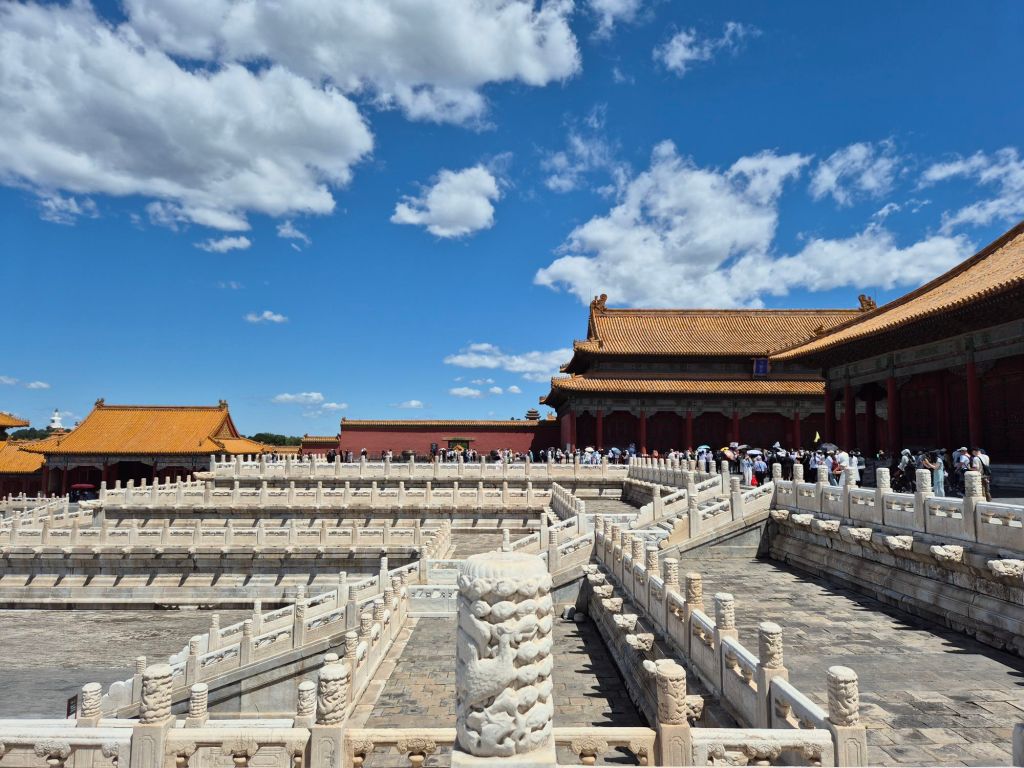
The largest palace in the world. A massive complex at the centre of the Imperial City of Beijing built in the early 1400s. It was the former palace of the Emperor and their families and servants from the Ming dynasty to the end of the Qing dynasty, between 1420 and 1924, 24 emperors in total. It gets its name because access was extremely limited to only Government functionaries and the imperial family. Some people, the Emperor’s many concubines, for example, were not allowed to leave. The emperor alone could enter any section at will. Surrounded by a 6m deep moat and a 10m high wall, it consists of nearly 100 buildings and impressive gardens over 72 hectares. Construction lasted 14 years and took more than a million workers. It now functions as a museum and attracts 14 million visitors a year. Fun fact, in the Forbidden City, there are more than 100 cats.



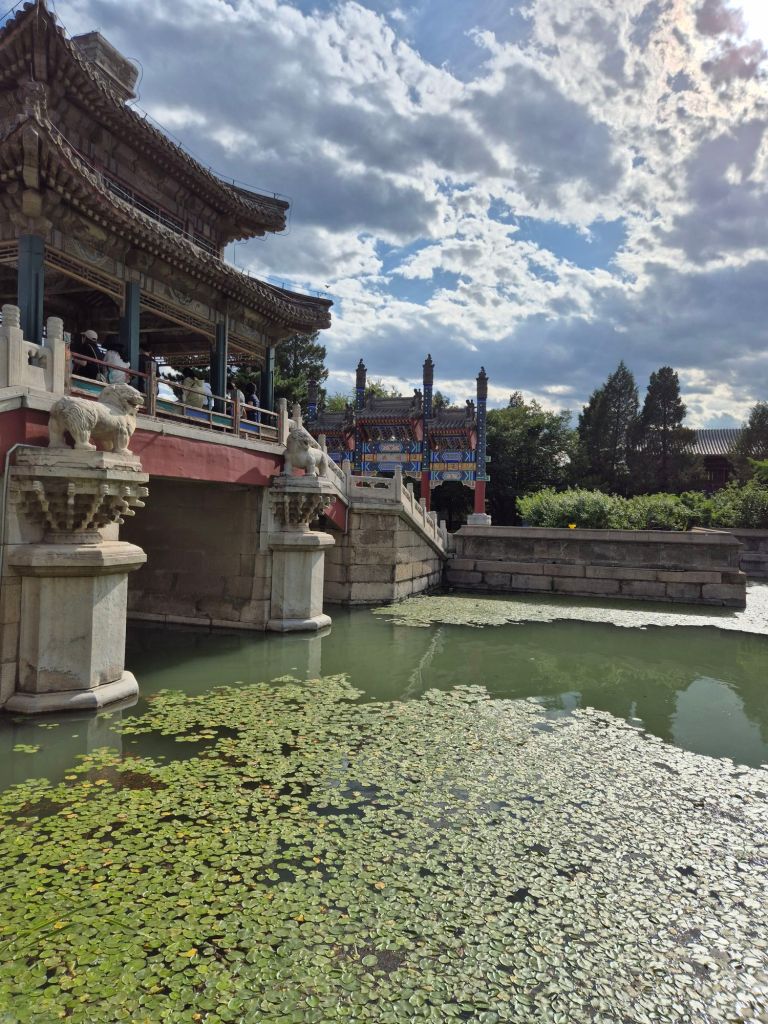
The Summer Palace
A huge array of lakes, gardens and palaces covering 2.9km2, three-quarters of which is water. It was an imperial garden under the Qing dynasty. By this stage, we’d seen plenty of ornately decorated buildings and decided the Emperor was too rich and flashy. But aren’t they all.




Additional things of interest
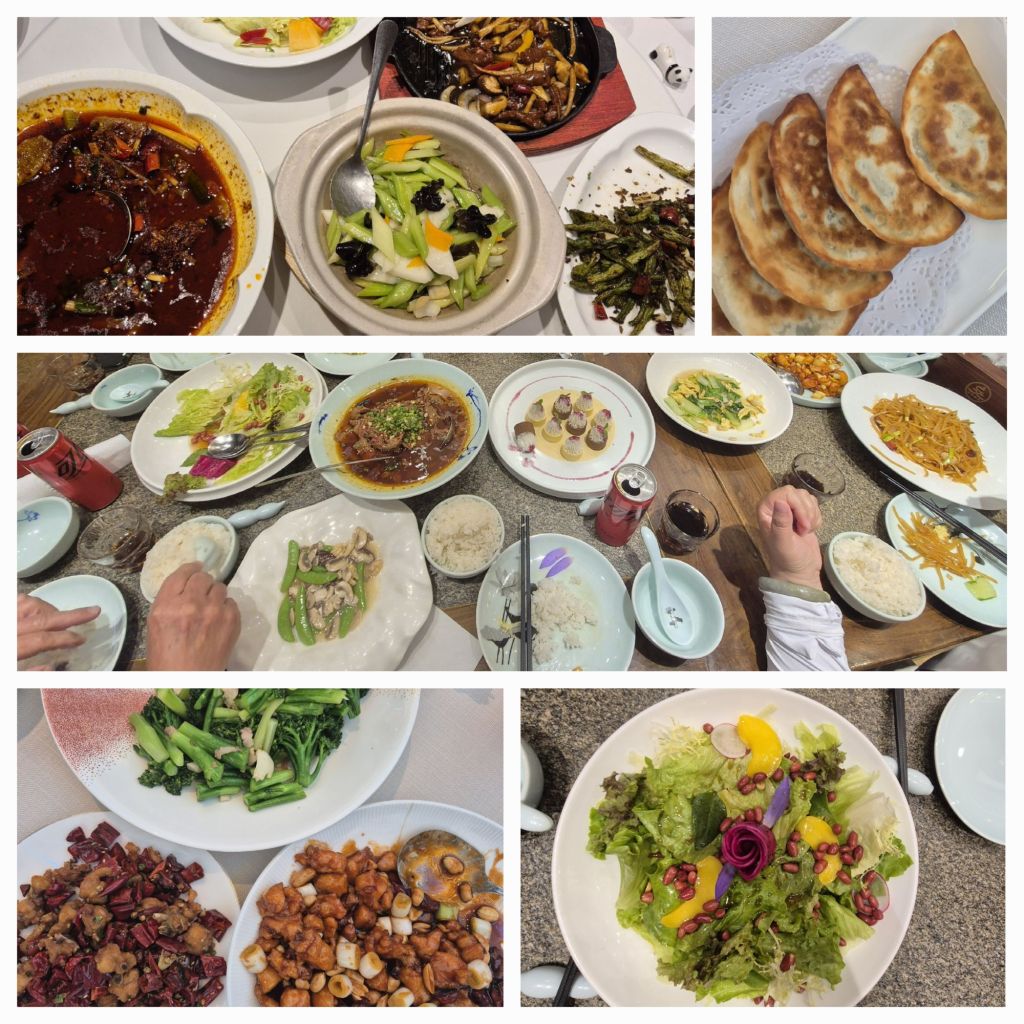
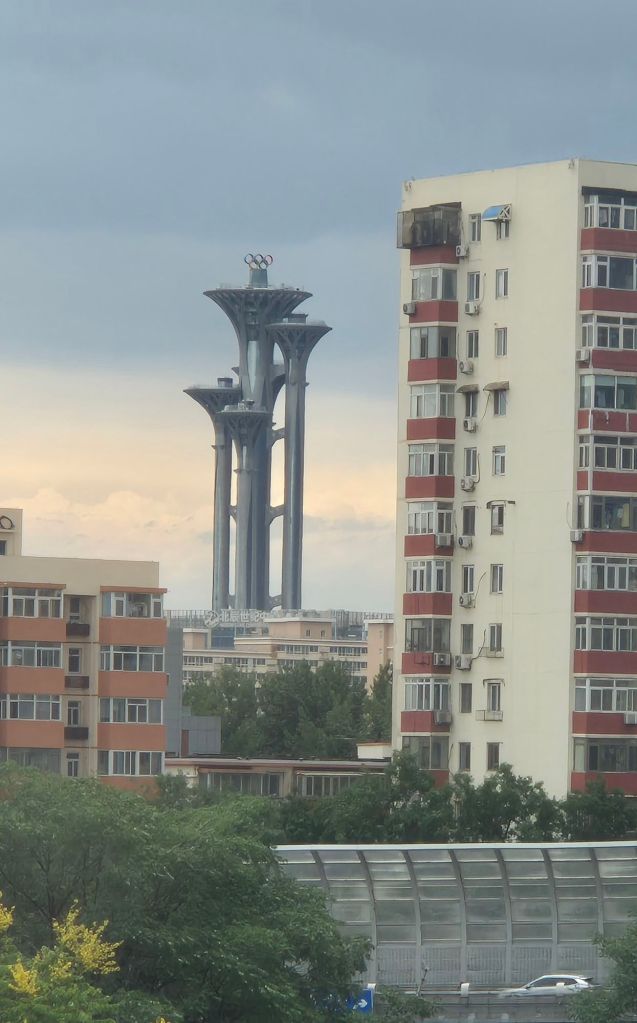
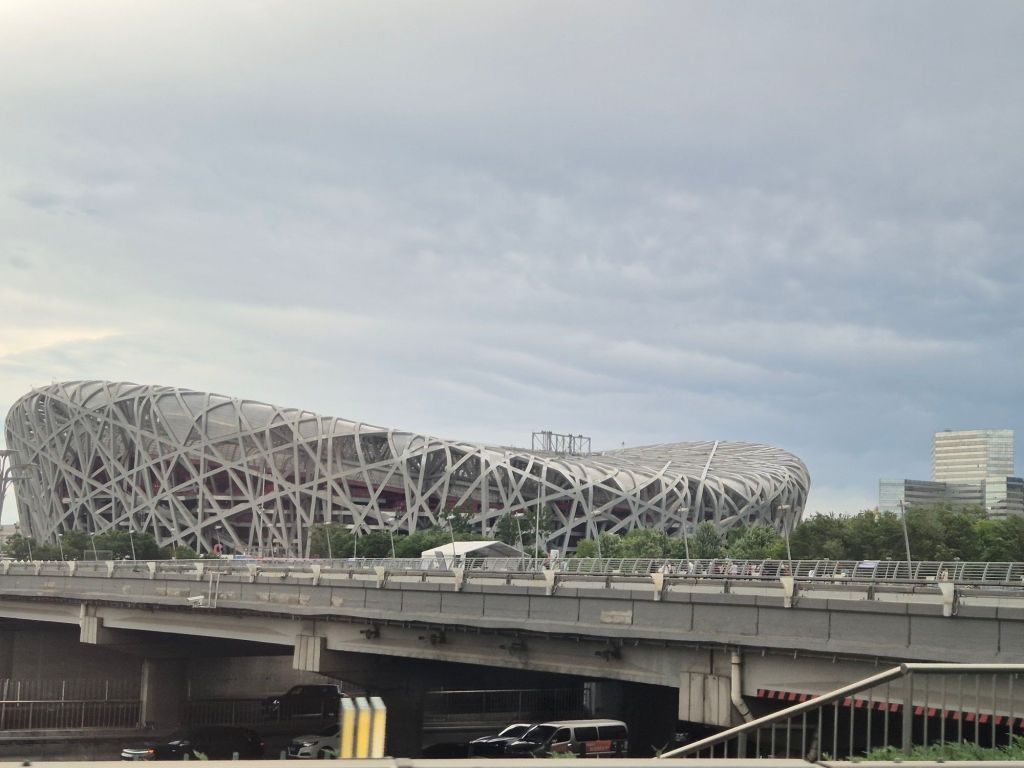

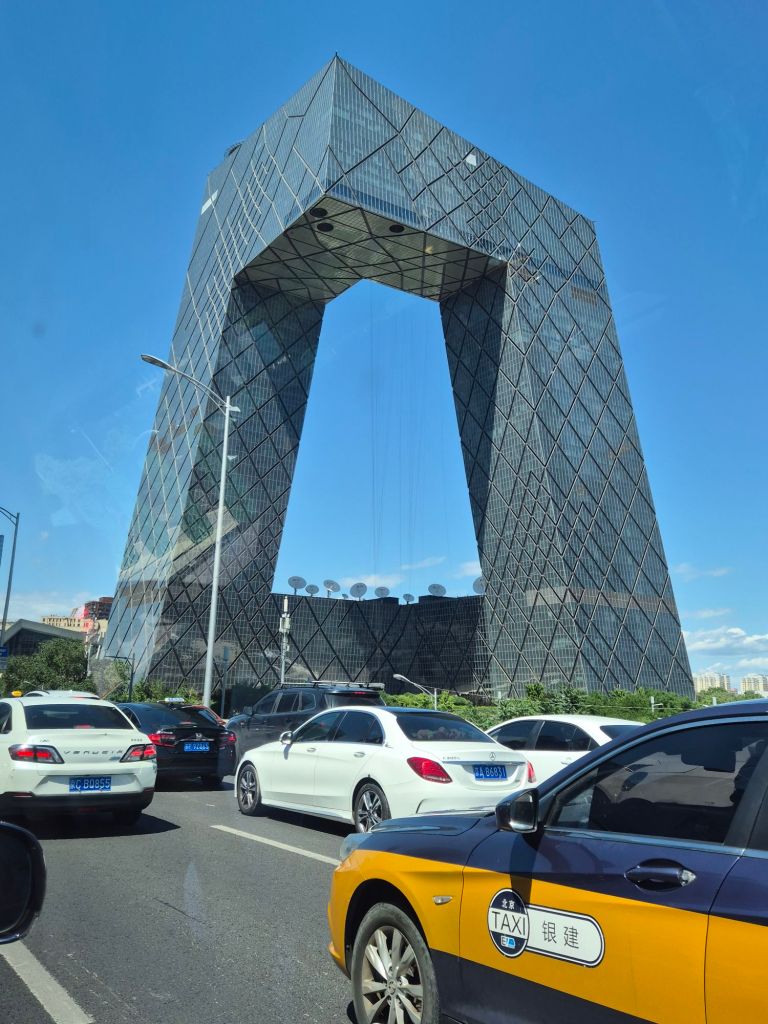


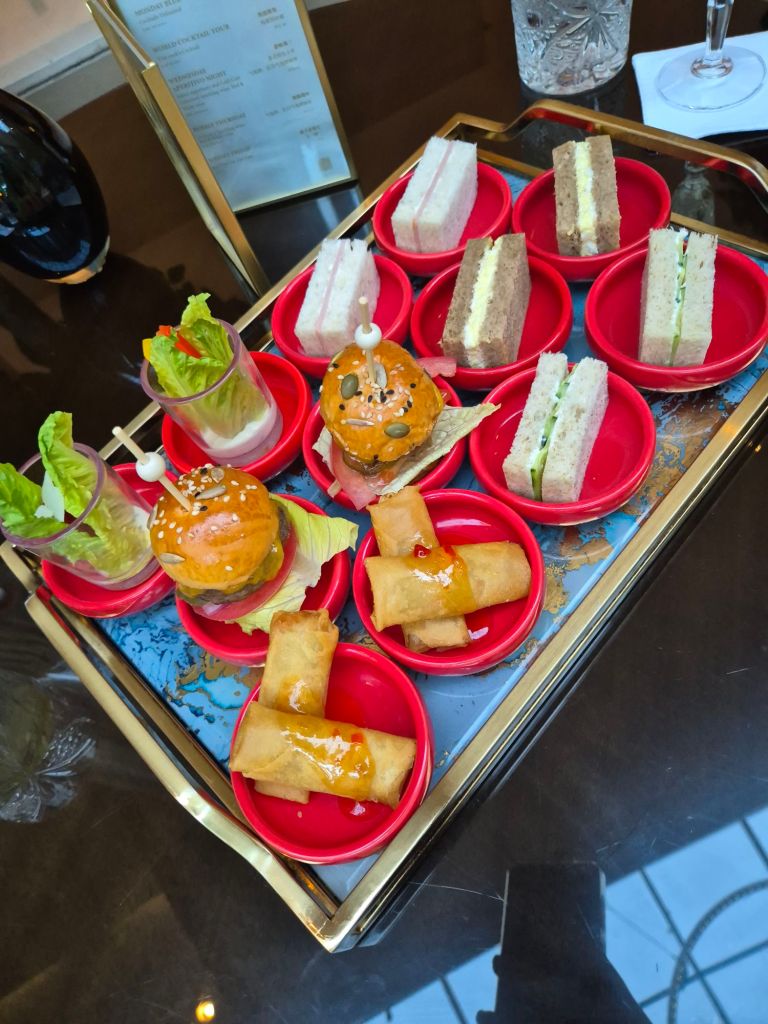
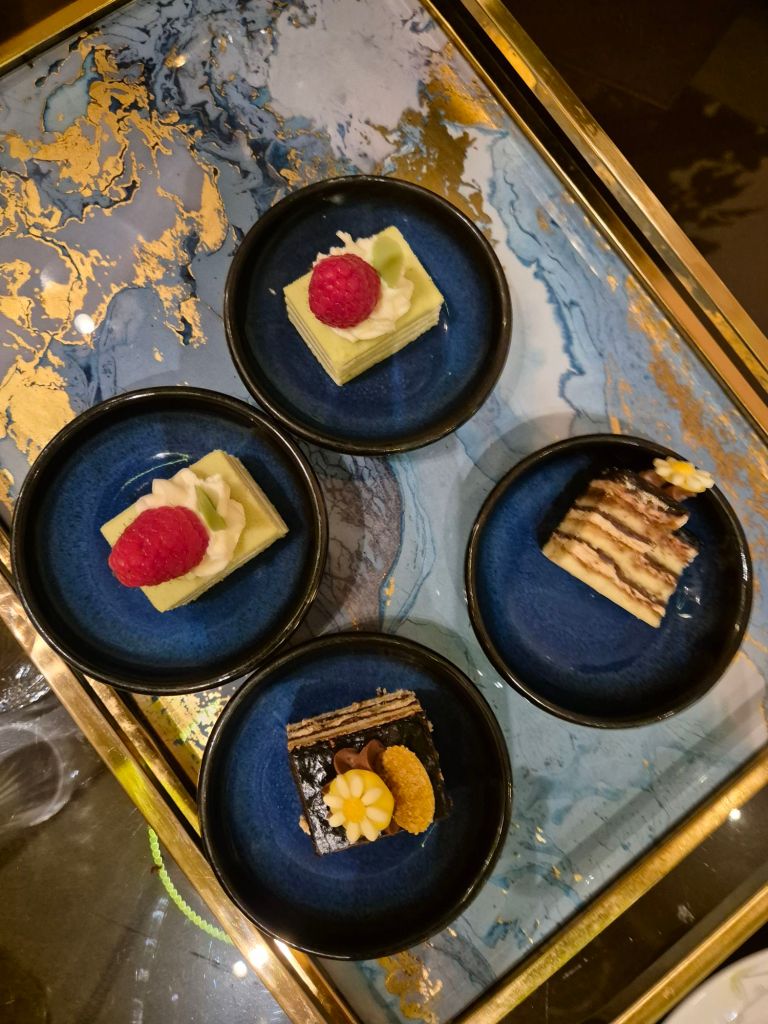
In our hotel, Dad and I took advantage of the Thursday night special “all you can drink” bubbles for RMB188, about NZD $43 . I think they were surprised by how literal we took this. They brought us multiple complimentary snacks which we think was to slow us down. Or maybe congratulate our bubbles consumption skills. What a deal!

That’s enough history for today.
Tomorrow, pandas.

 A Small Adventure