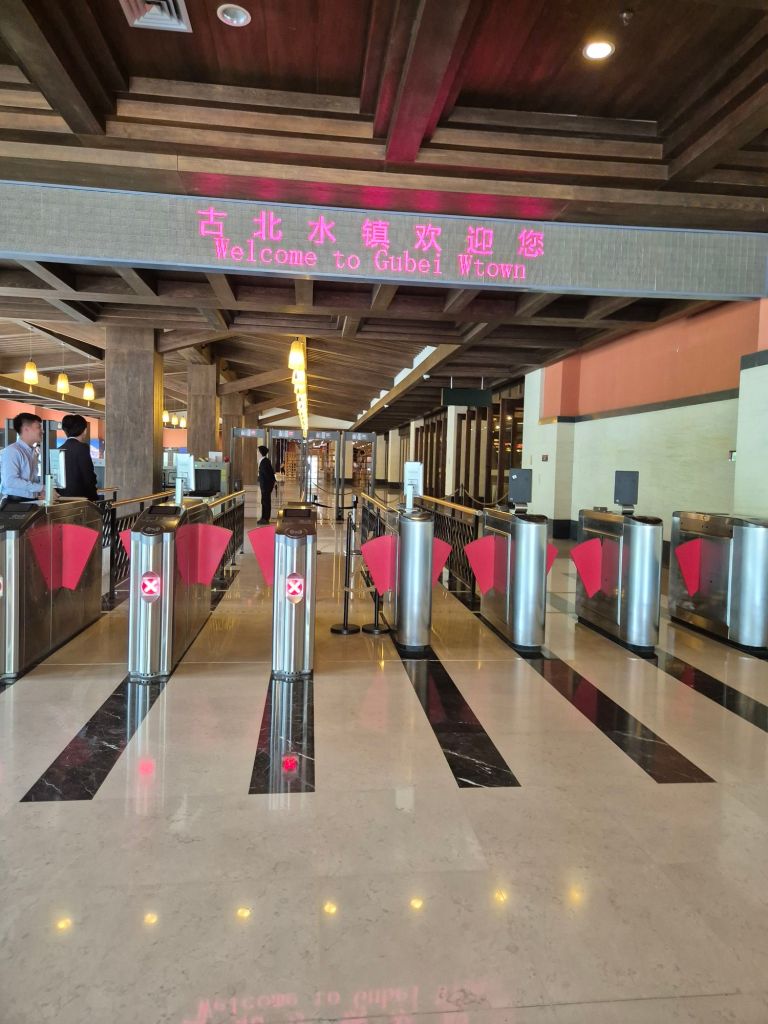
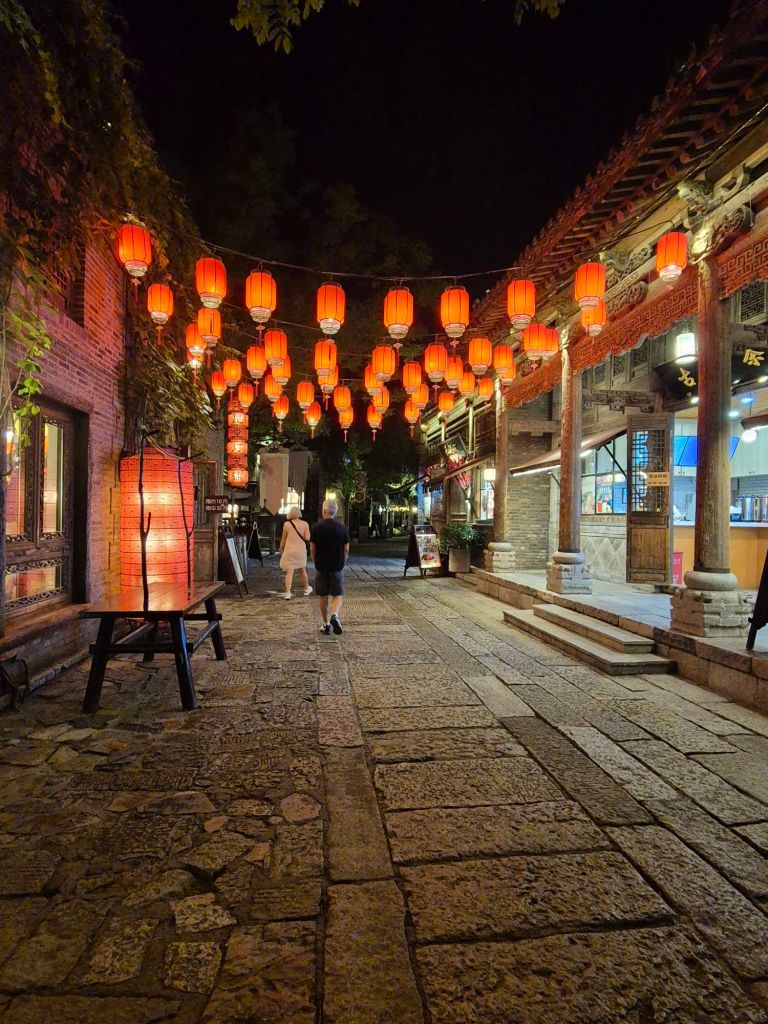
Today we drove roughly 2 hours north of Beijing city to Gubei Water Town. I don’t quite understand this town, and I feel like I am in one of those fake towns on movie sets.
I will try to explain.
The town is built on the former 5 sub natural villages of Simatai Village and lies at the foot of the Simatai Great Wall. The Simatai village was built during the Ming Dynasty 1368 – 1644. The town is a replica of Wuzhen Water Town in Southern China and is used for tourism and a base for getting to the Simatai Great Wall.
We were dropped off at the edge of the Town and took a small shuttle into the Town centre. We then “checked in” and were shuttled again to nearby our hotel. There are no vehicles allowed in the Town.

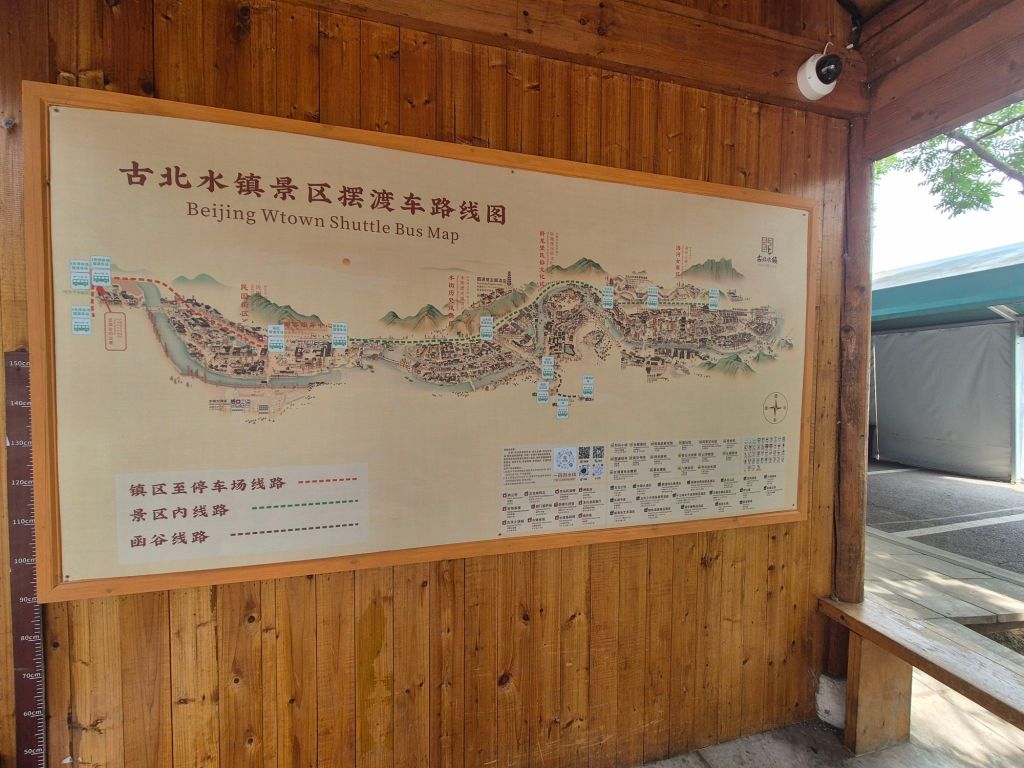


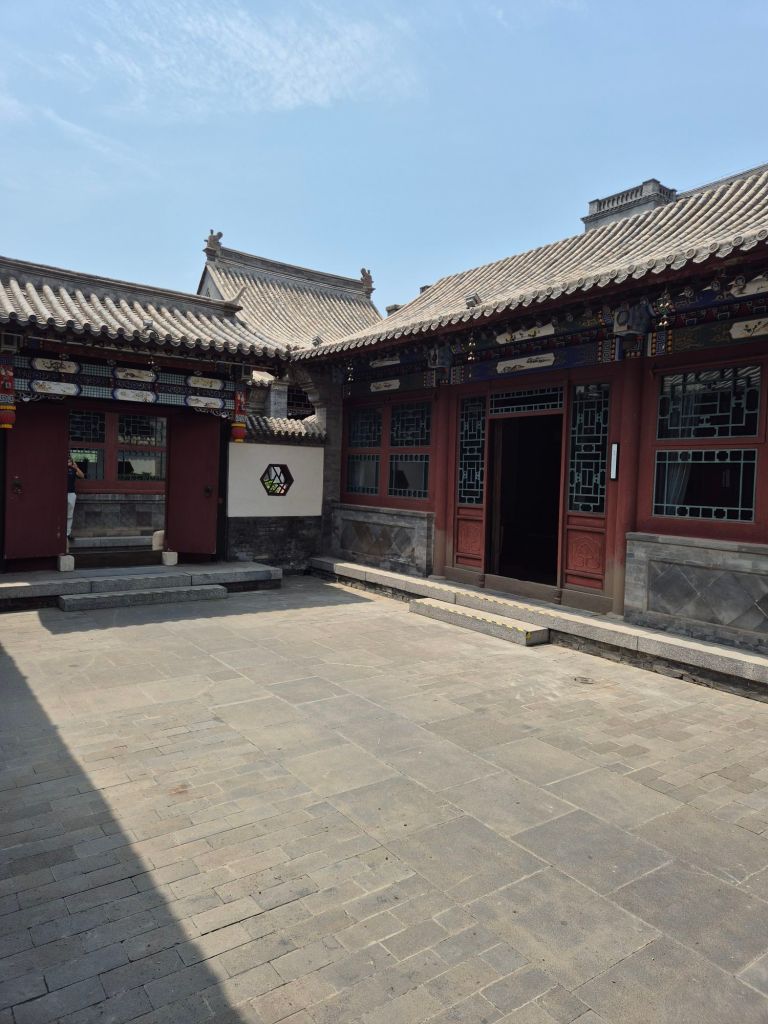

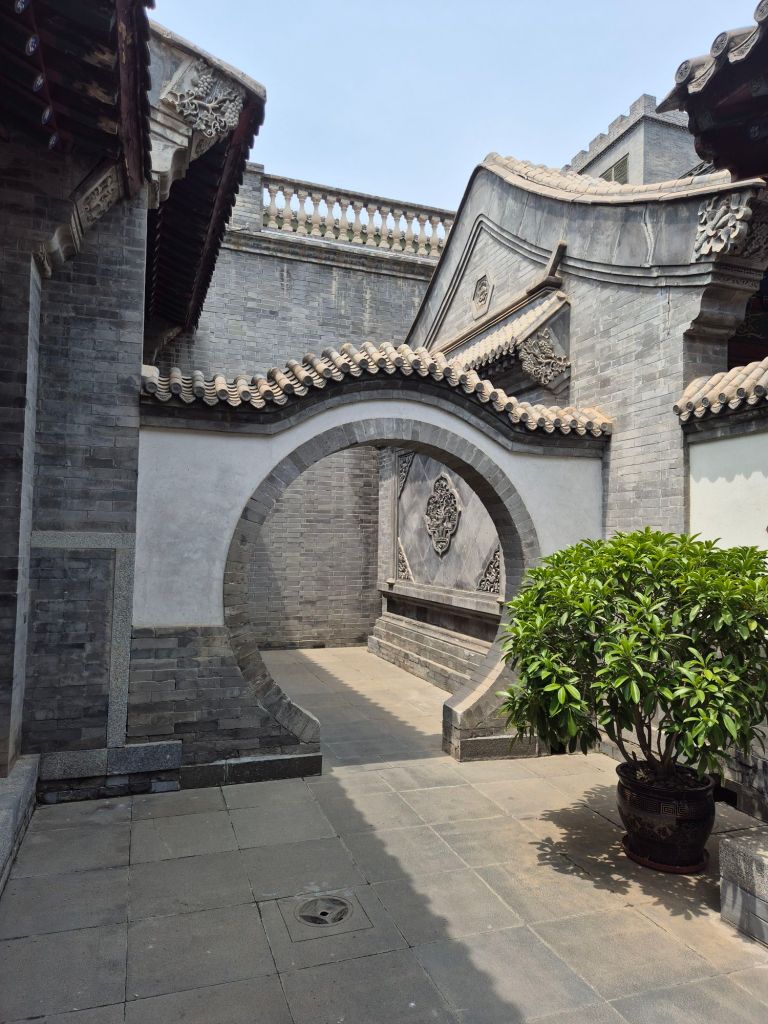


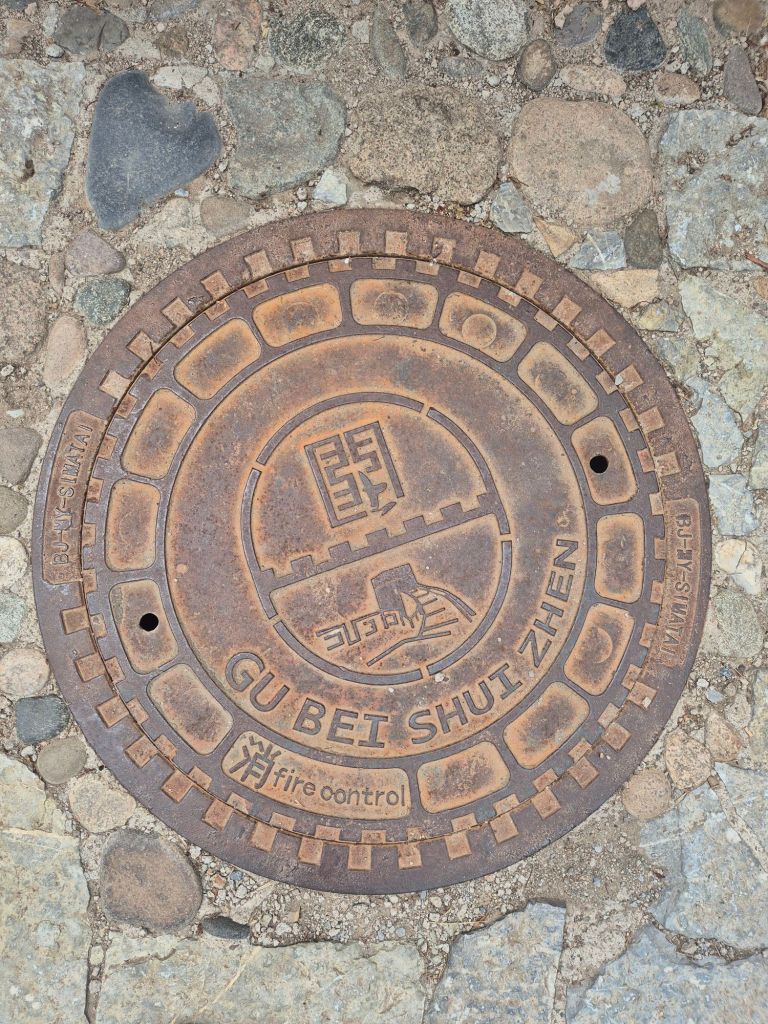
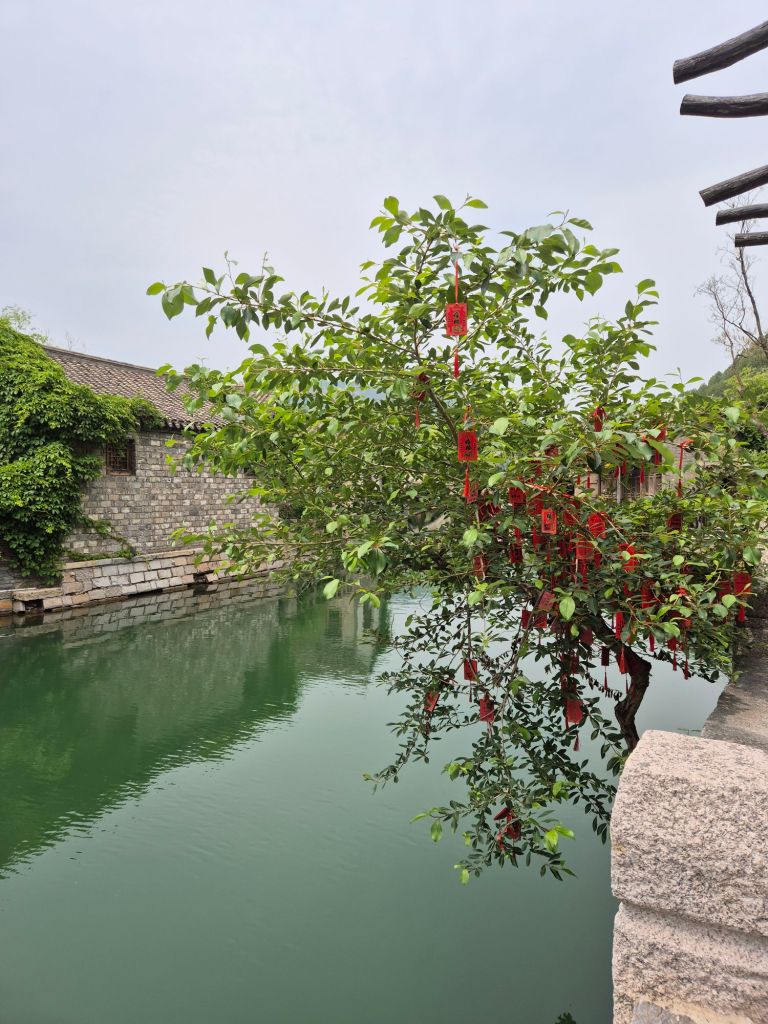
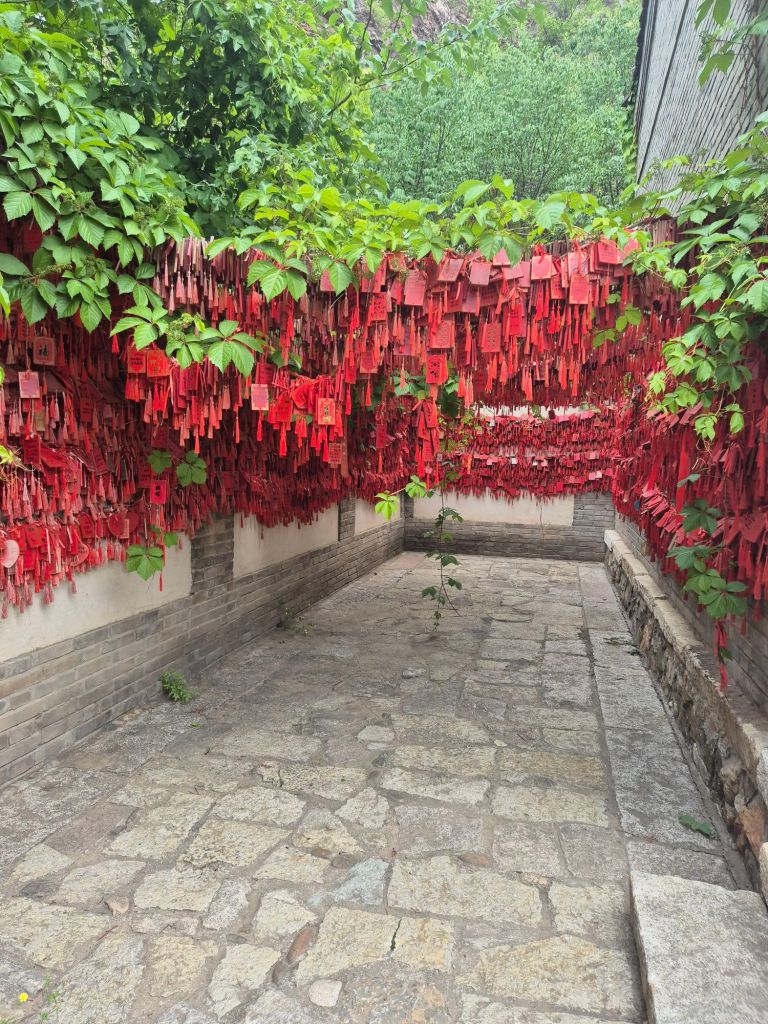



The town is made up of shops, restaurants and displays of old trades like silk dyeing and distilleries and crafts like hair combs, calligraphy and fan making. You could pay to do any of them and there was plenty of variety. There is very little English spoken here which surprised me. Even people in their 20s had very little or no English. We were grateful for our guide when it came to ordering a fish free lunch.
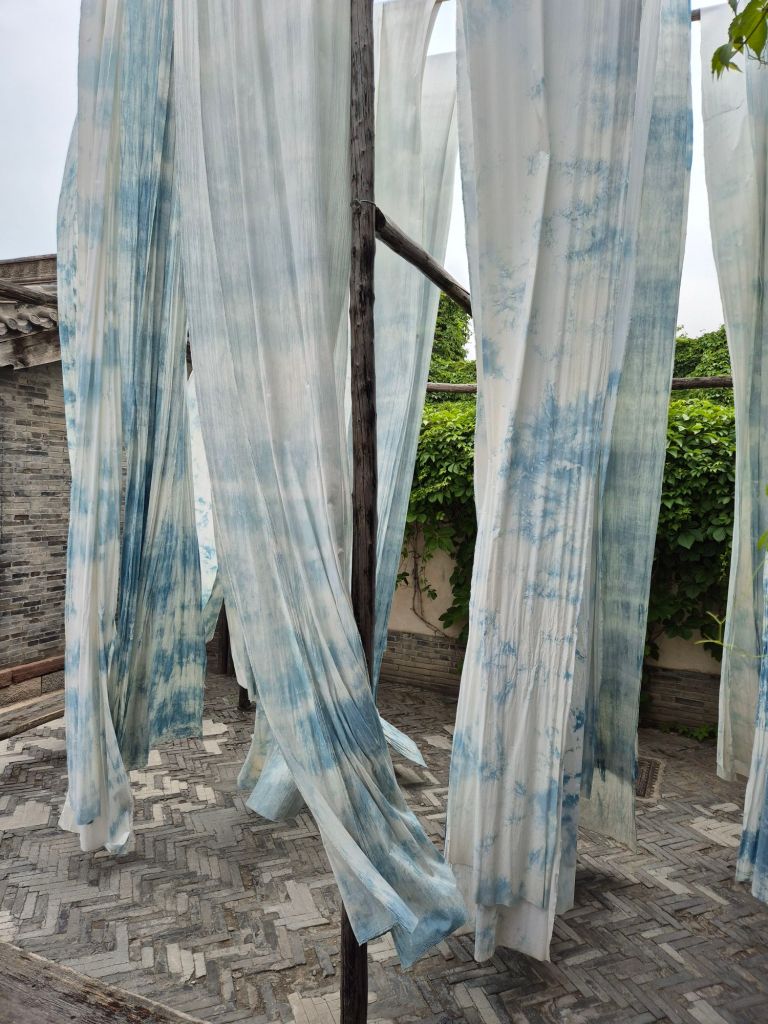


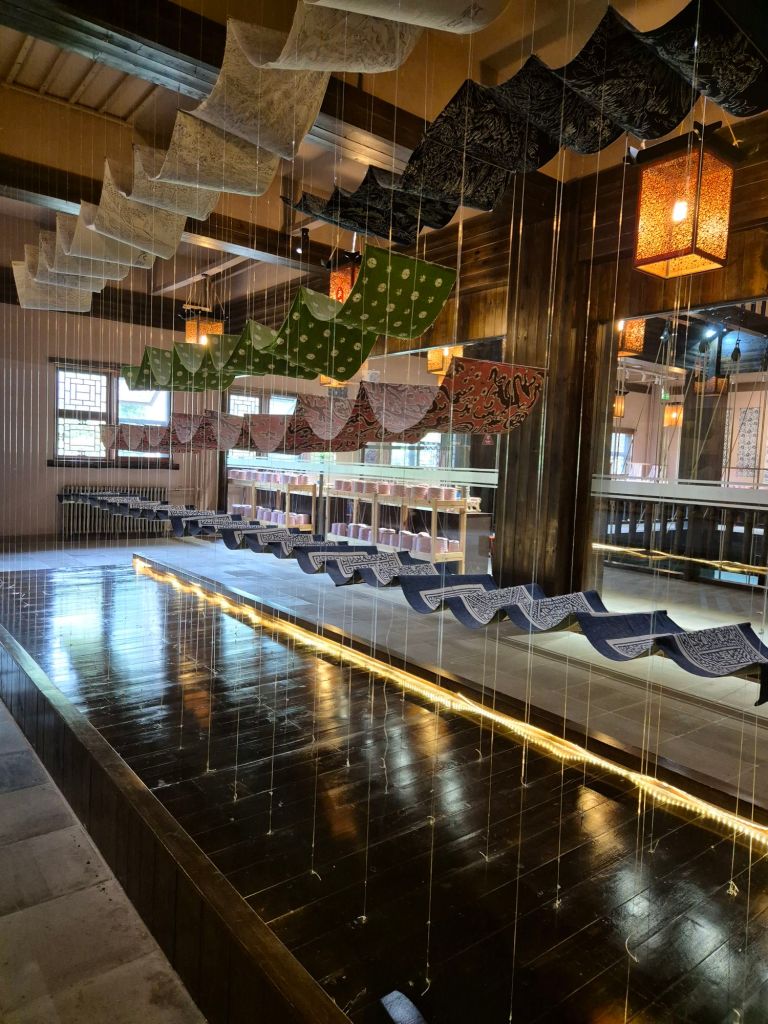
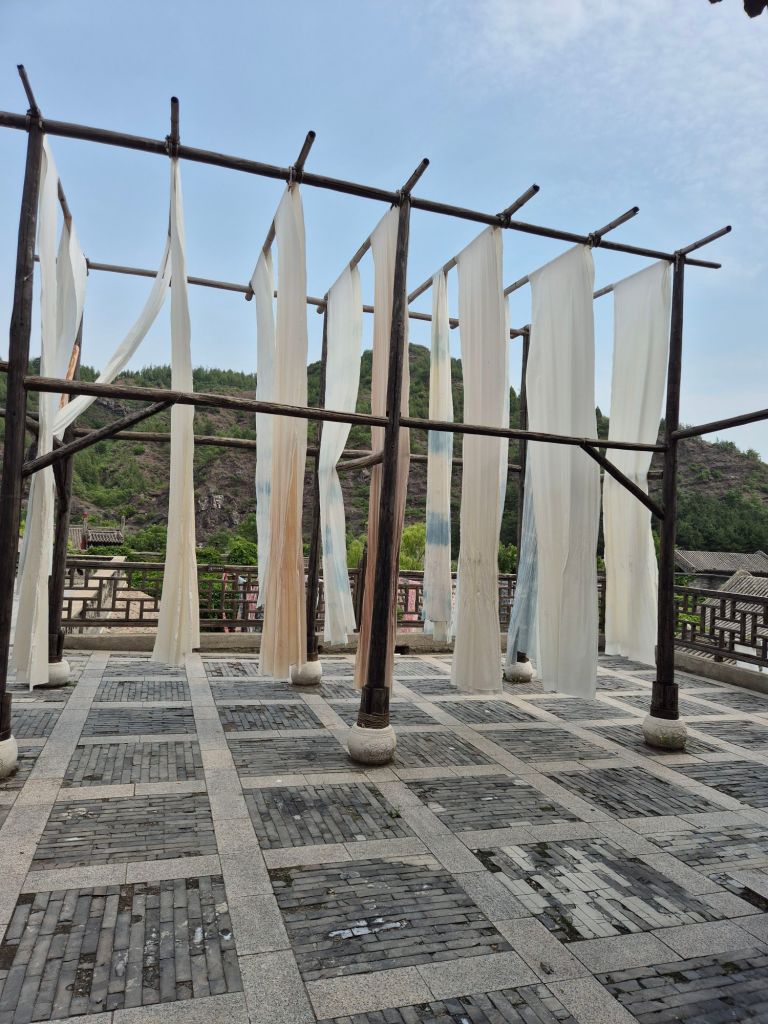
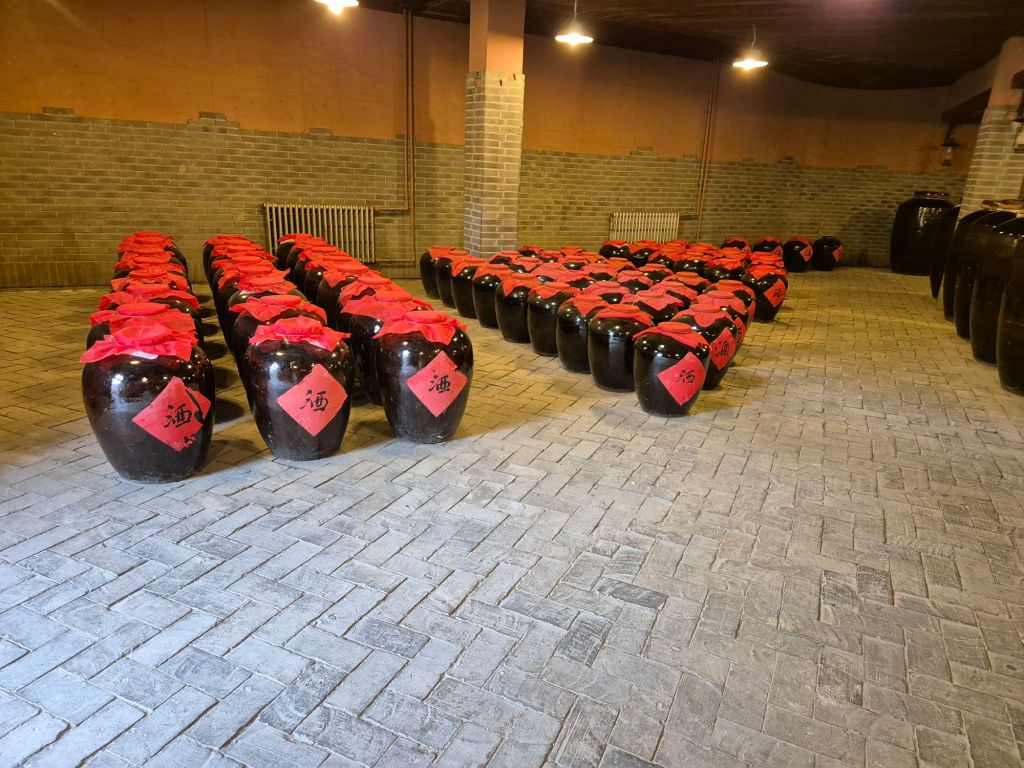
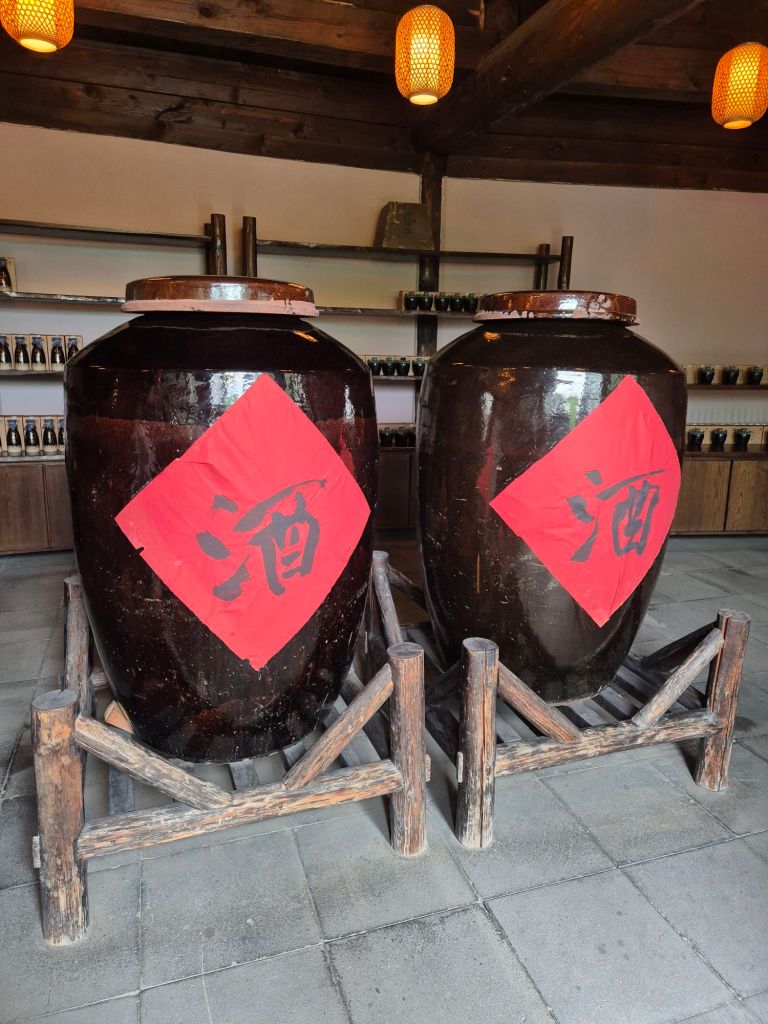
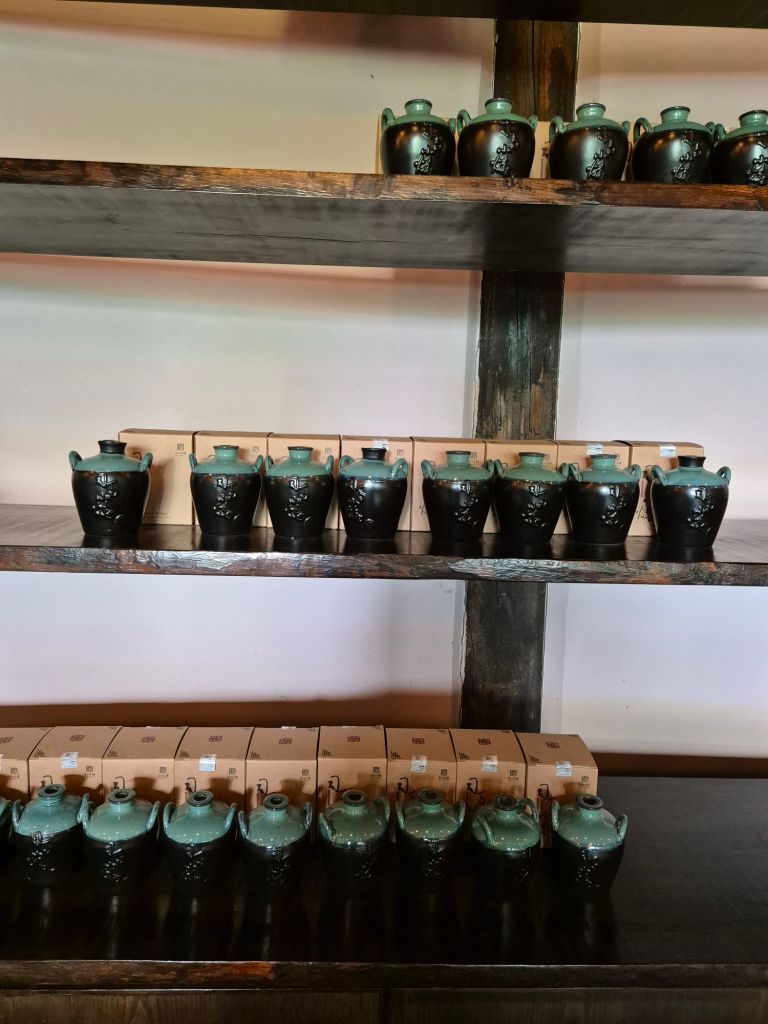
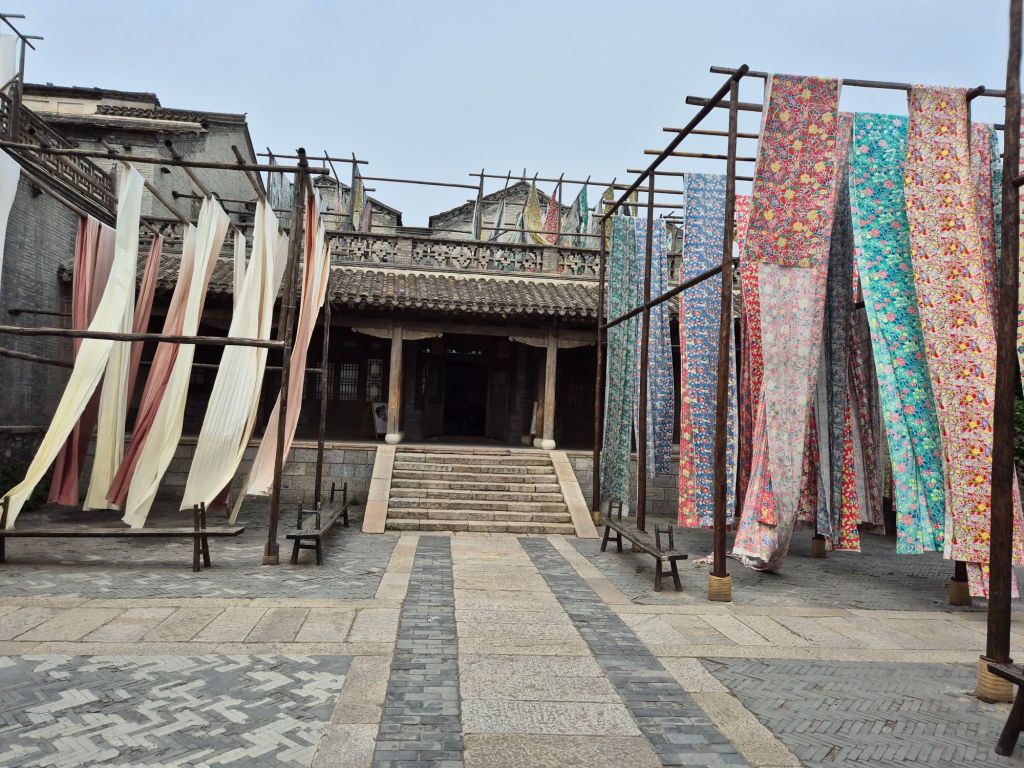
Part of our package was a distillery tour and fabric dyeing. Our “tour” through the distillery consisted of a walkabout in the basement to see some grain fermenting followed by a wander past some big ass jars. No idea what they were making or how they got there so no education for you. Next, we tried our hand at fabric dyeing. Really, it was just chucking a stencil over some cloth and painting over it. Regardless, my panda is cute so it’ll be coming home with me.

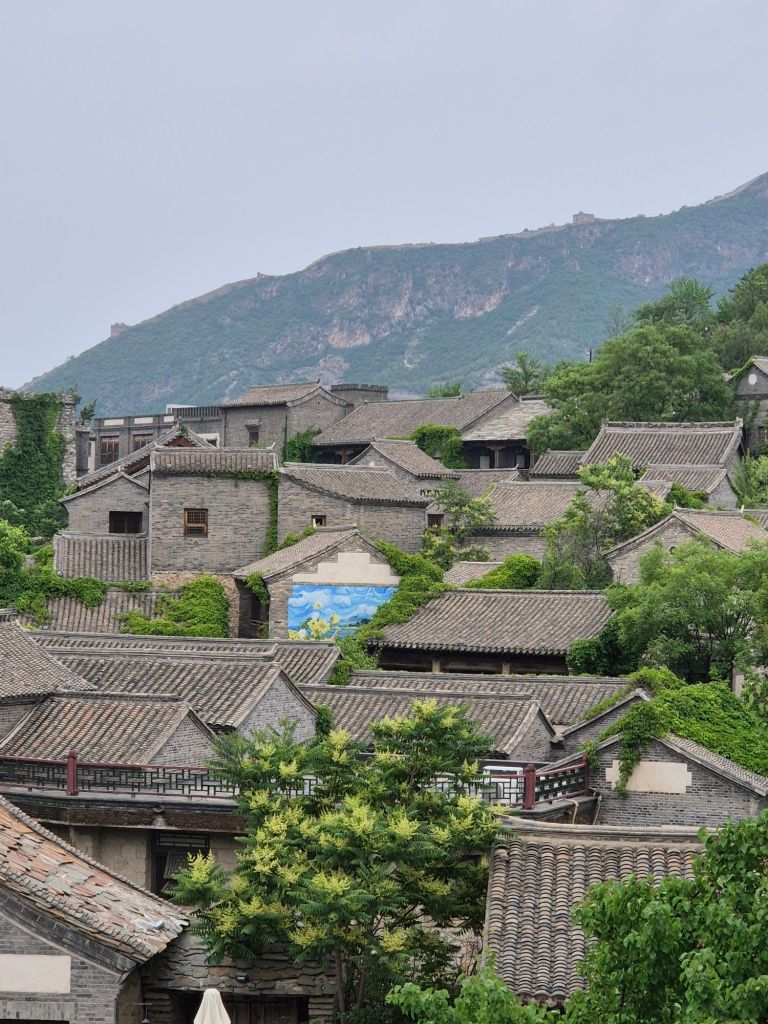

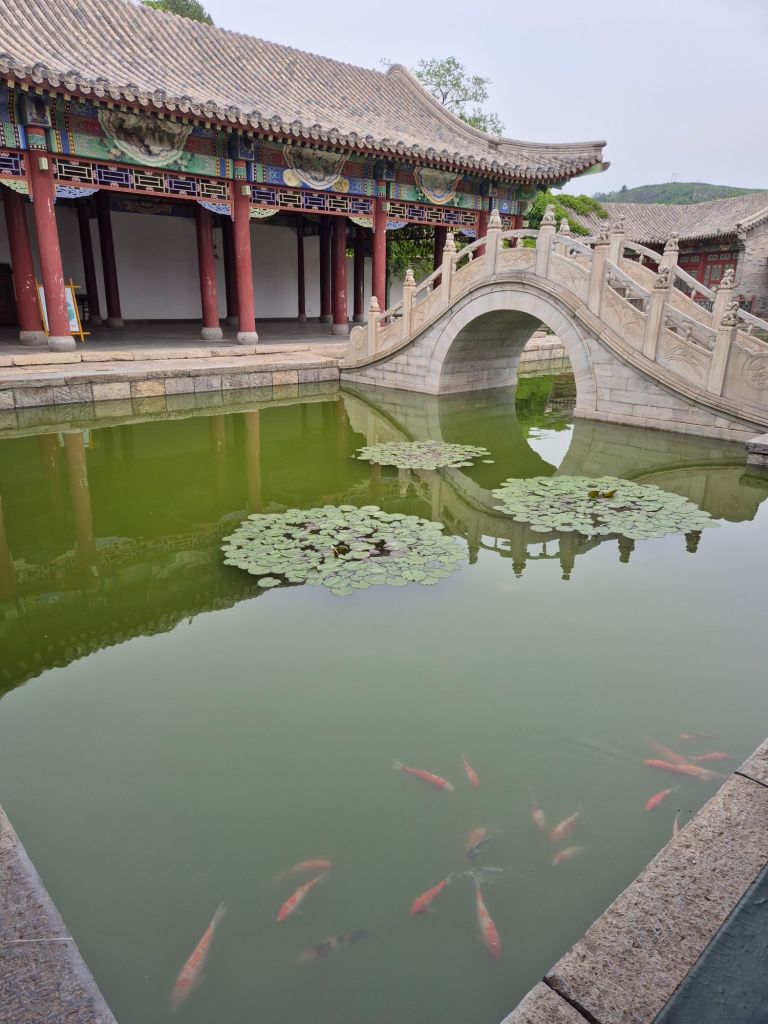
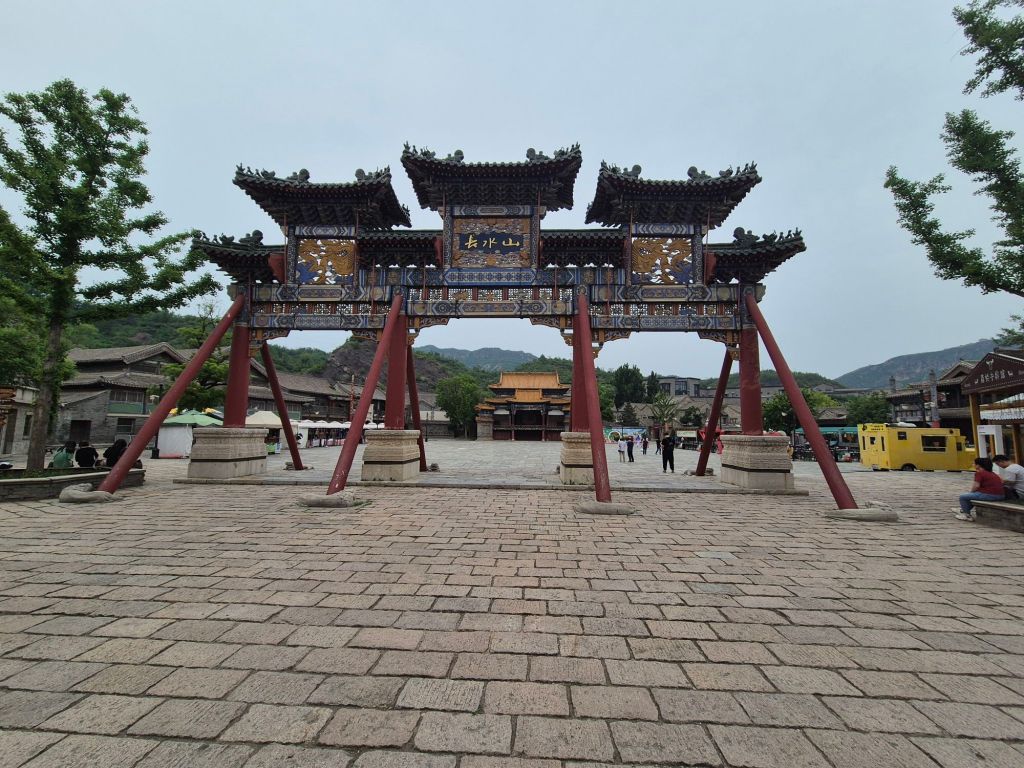
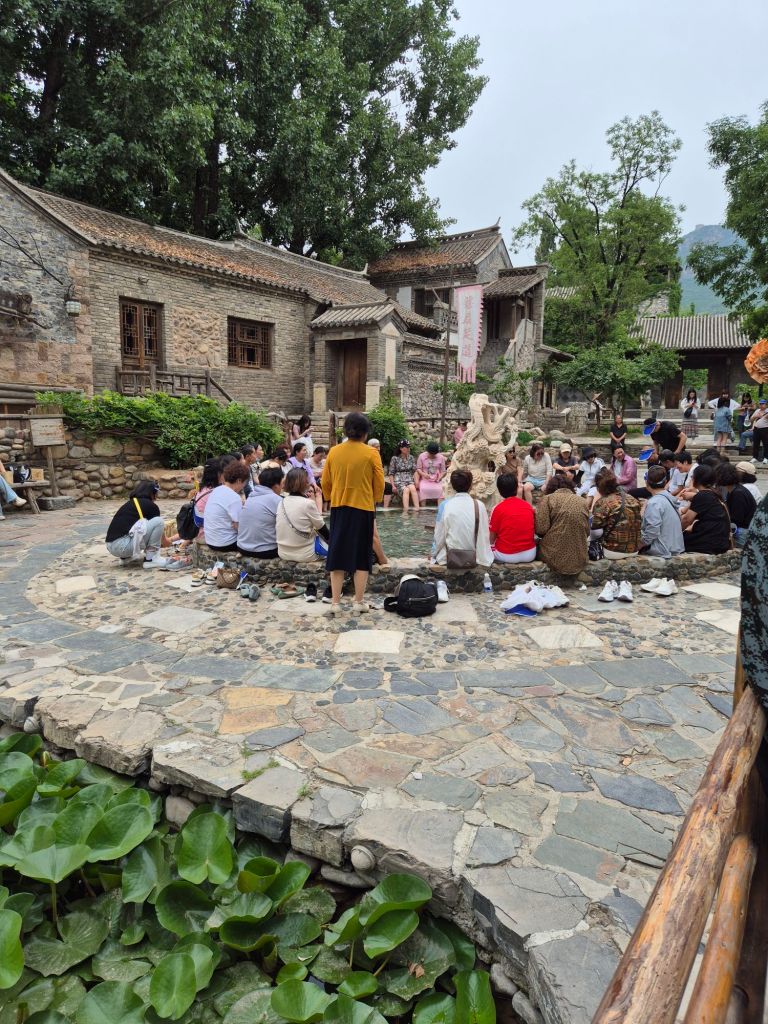

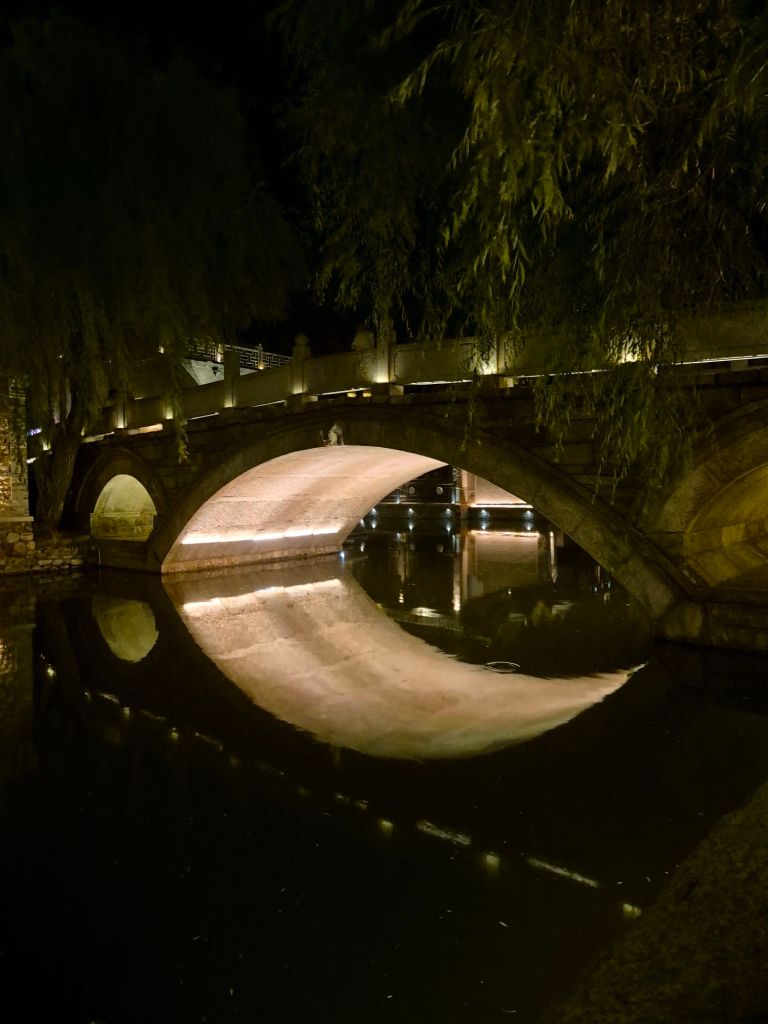
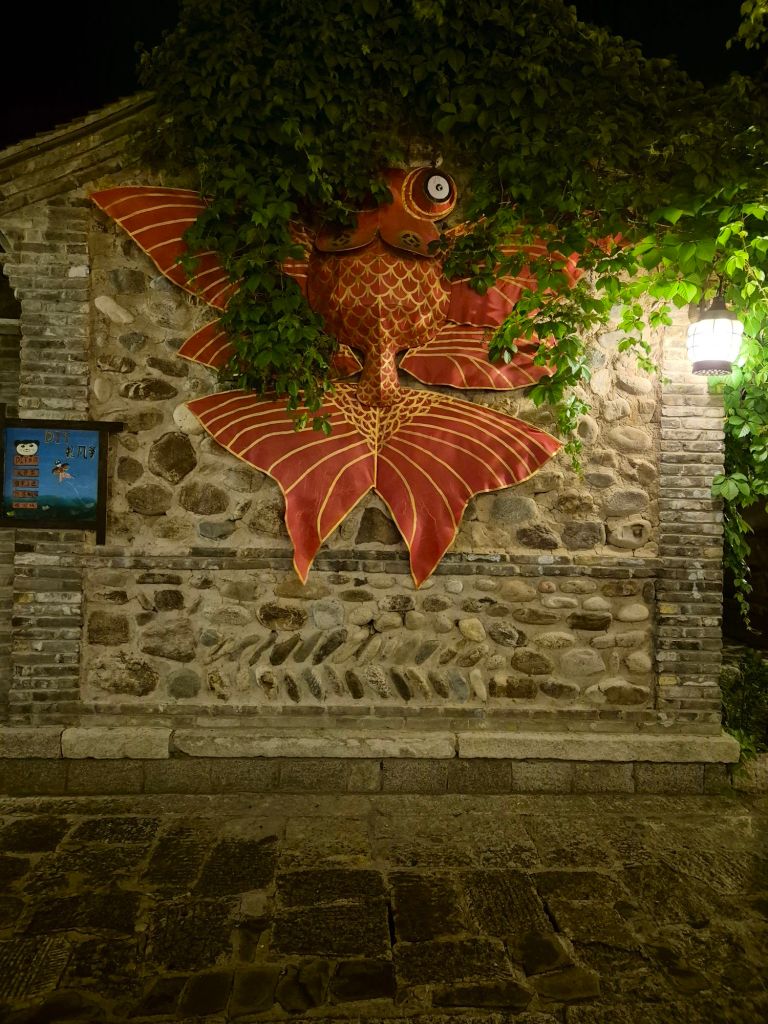
Wandering around the town was bizarre and we just kept discovering new pockets of peculiarities. Mostly because there were very few people around and we couldn’t understand where we were. Beautiful though and very interesting.
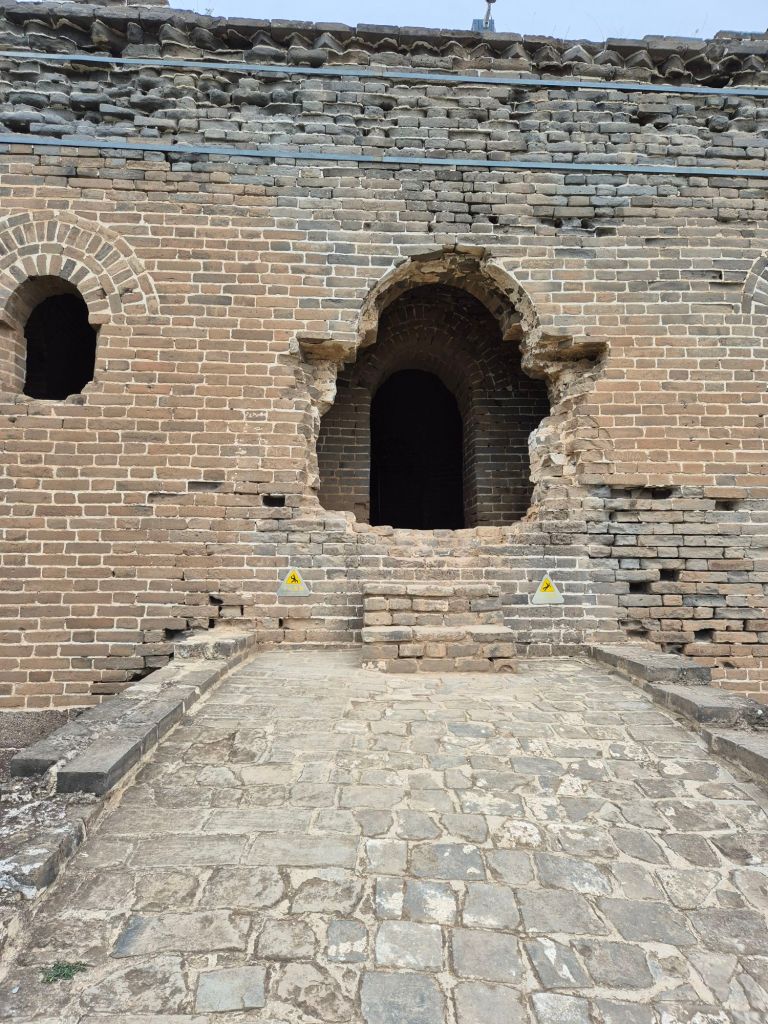
In the evening, we took a cable car up to Simatai Great Wall. I did have to look up why the wall was actually built because it is rather odd. To protect the Chinese Empire from foreign invaders, act as a psychological barrier between northern and southern civilizations, and protect the Silk Road Trade. It was rarely used during war because of the cost of staffing the many many stations. The wall is 21,0000km long! Originally made mostly of stone or by stamping earth and gravel between board frames and later, brick and stone were used. It’s so impressive how it still stands, though much of it has been repaired.
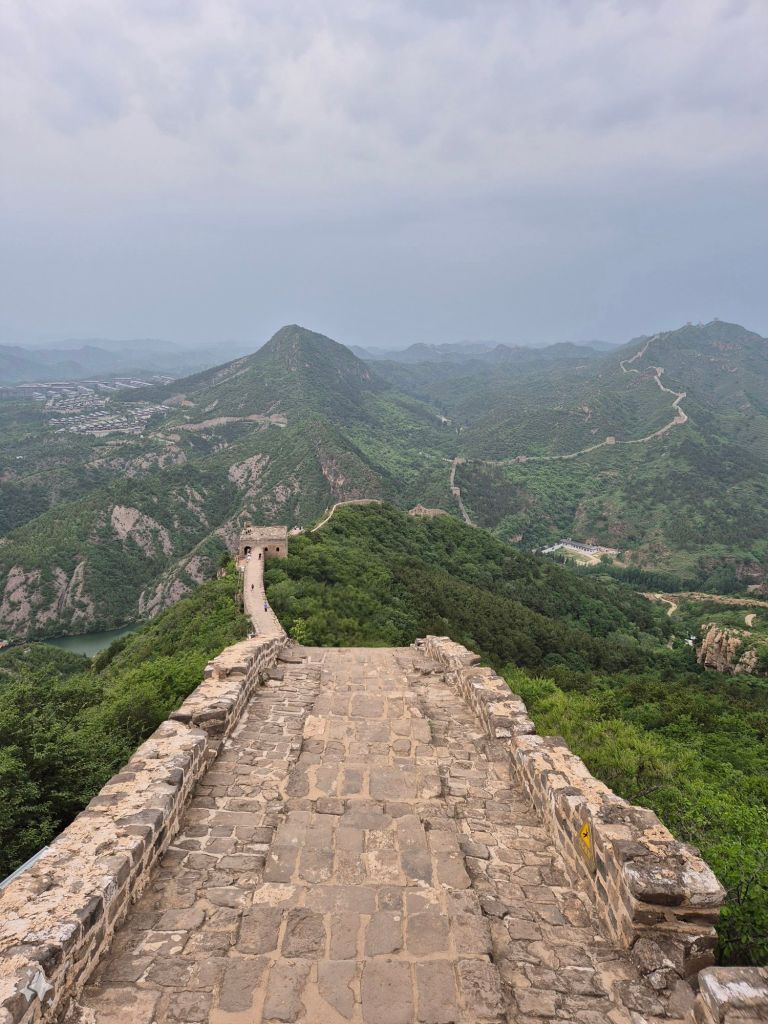
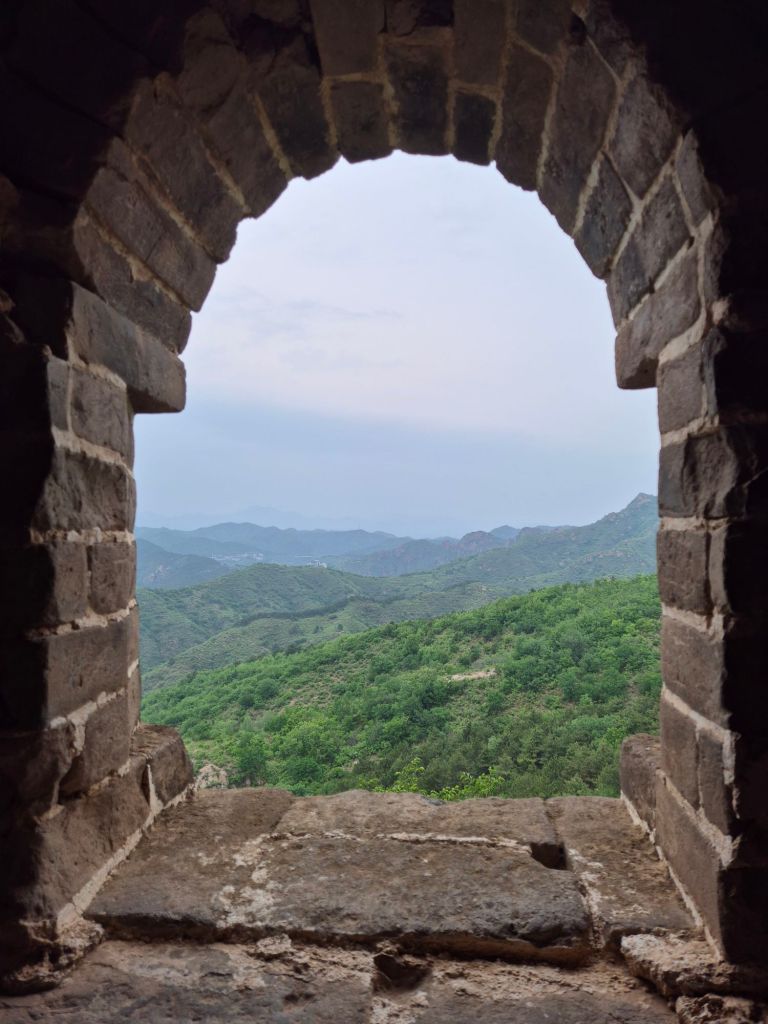
The Simatai section is only 5.4km and was built during the Northern Qi dynasty (550–577). It holds access to Gubeikou, a strategic pass in the eastern part of the Great Wall. This section has 35 beacon towers and is separated into eastern and western parts. The western part is gently sloped with 20 well-preserved watchtowers along the wall. The eastern part is much steeper and includes cliff edges and kilometre-high peaks. Only 10 towers are open to the public due to safety reasons and only two are open at night.
Get ready for many wall photos.






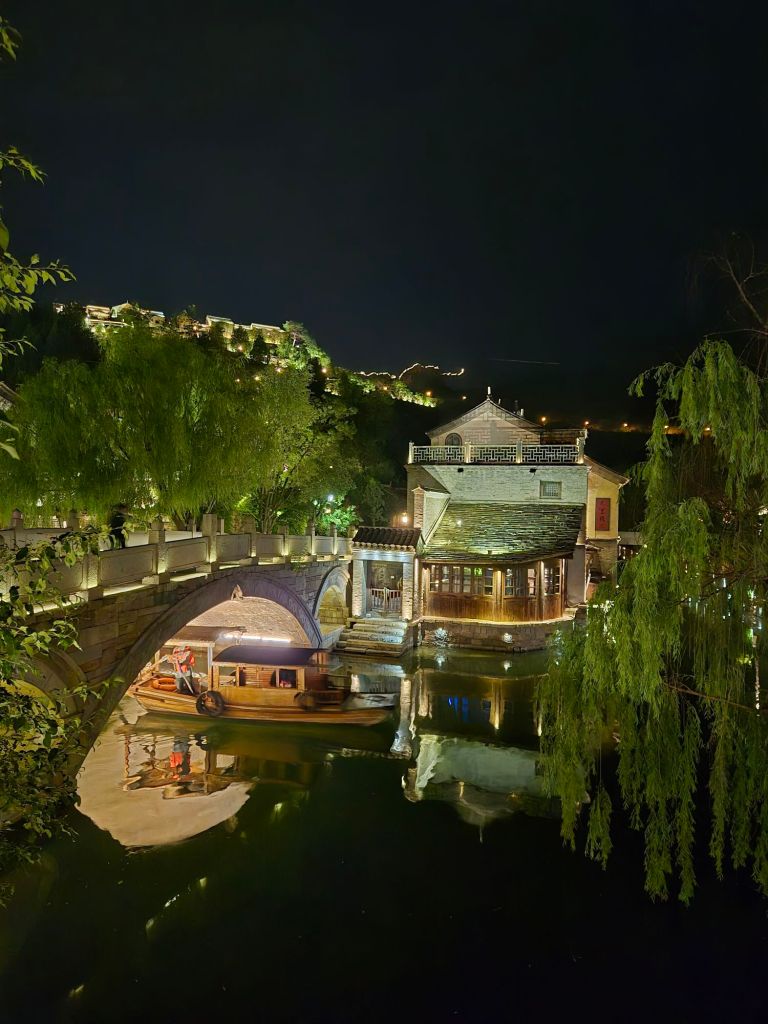
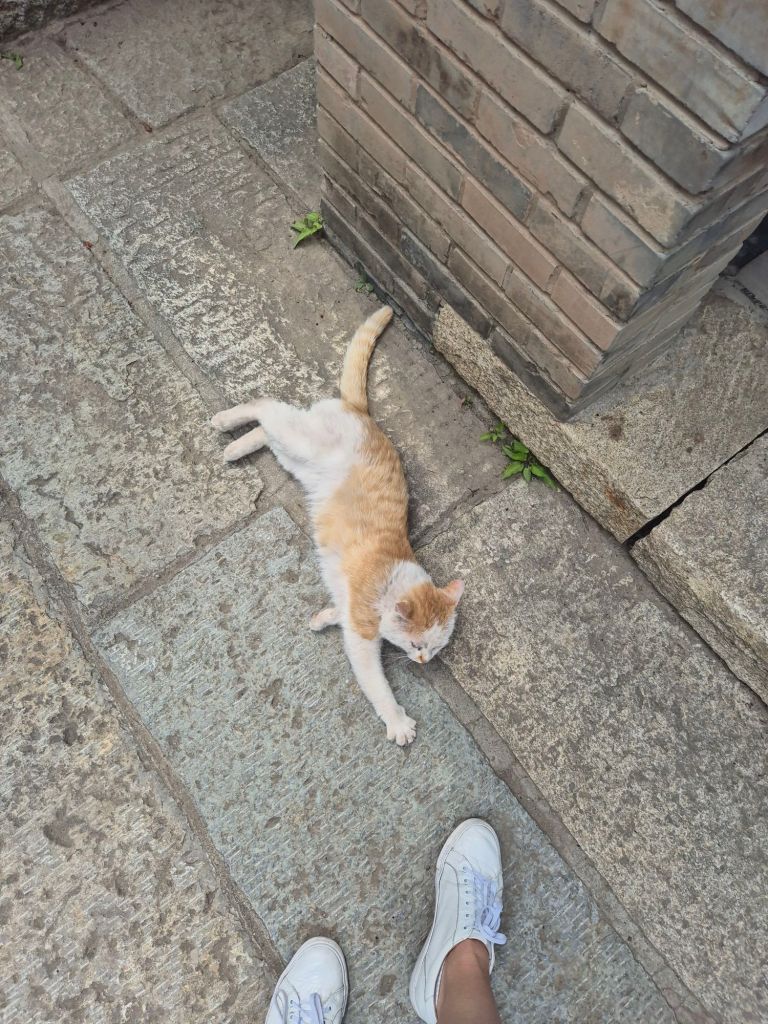
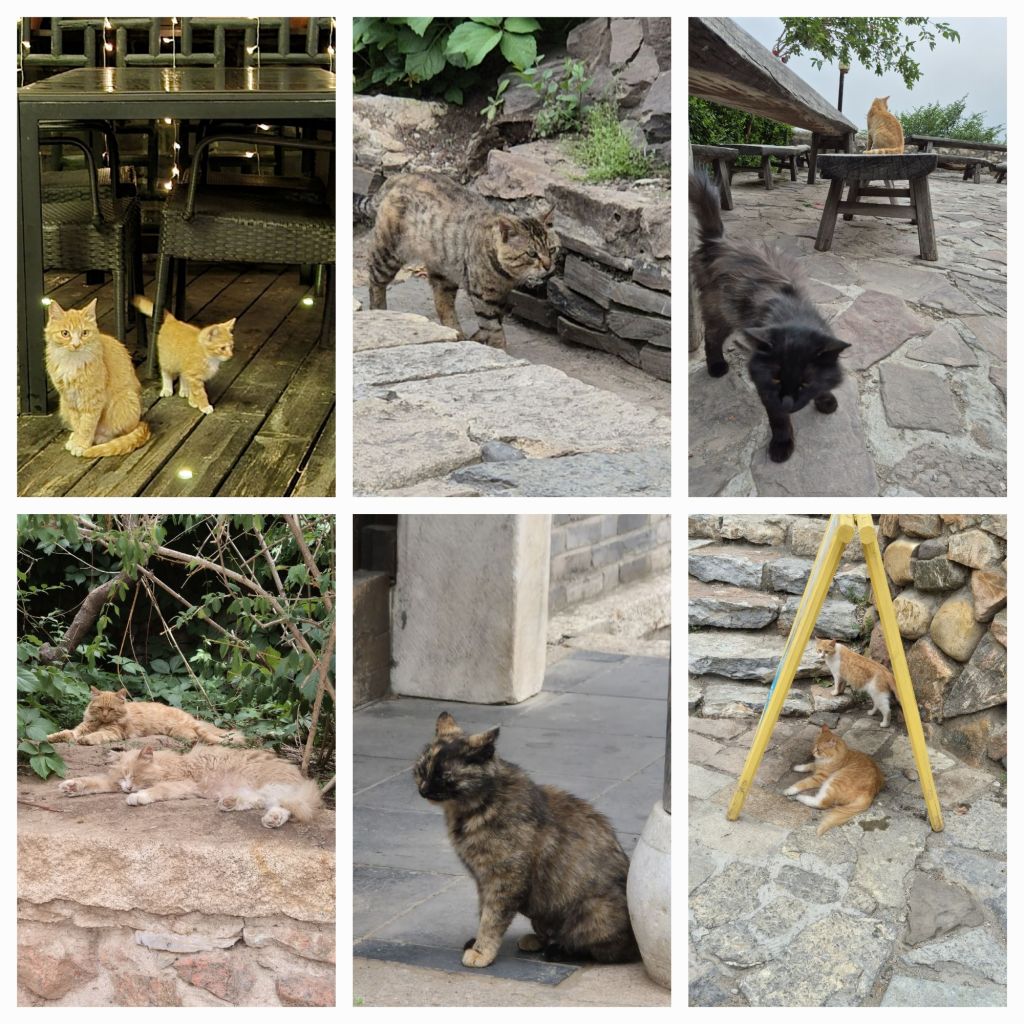
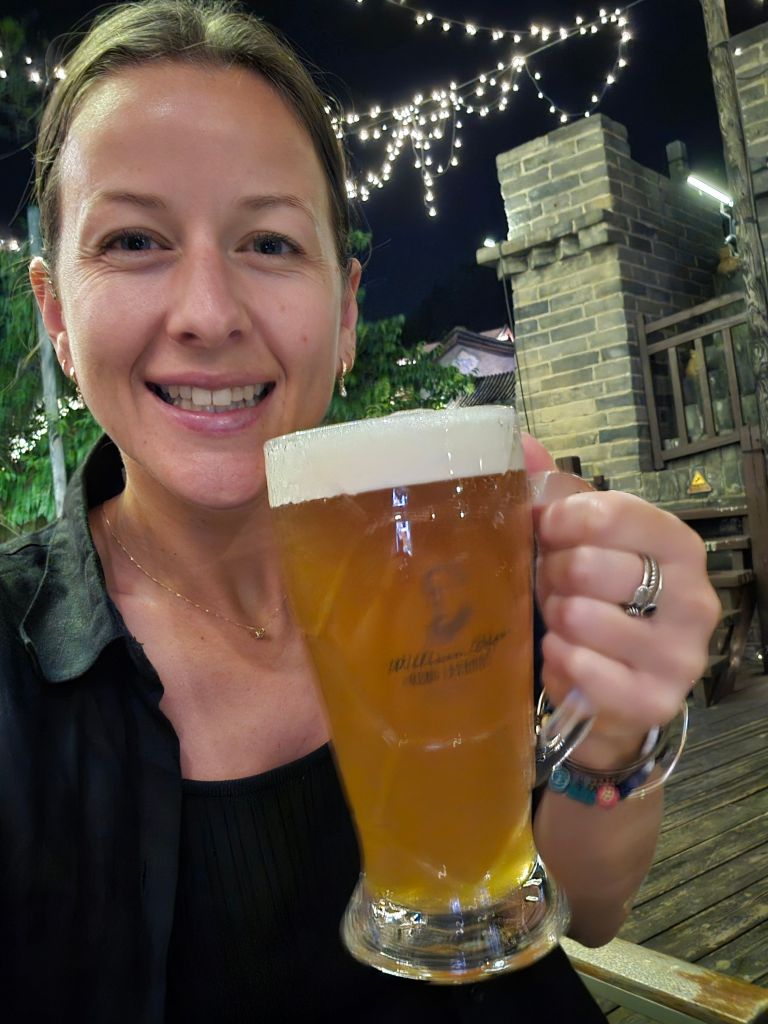
After our time on the wall we wandered around the town for a while looking for wine and snacks. The town really is beautiful AND appears to be home to a bazillion cats. Or at least, many cats and kittens. Some let me pat them and I’m very happy.




I’ve been loving the baths and robes at these fancy hotels, so that is how I chose to end my evening today. Perfect.

 A Small Adventure